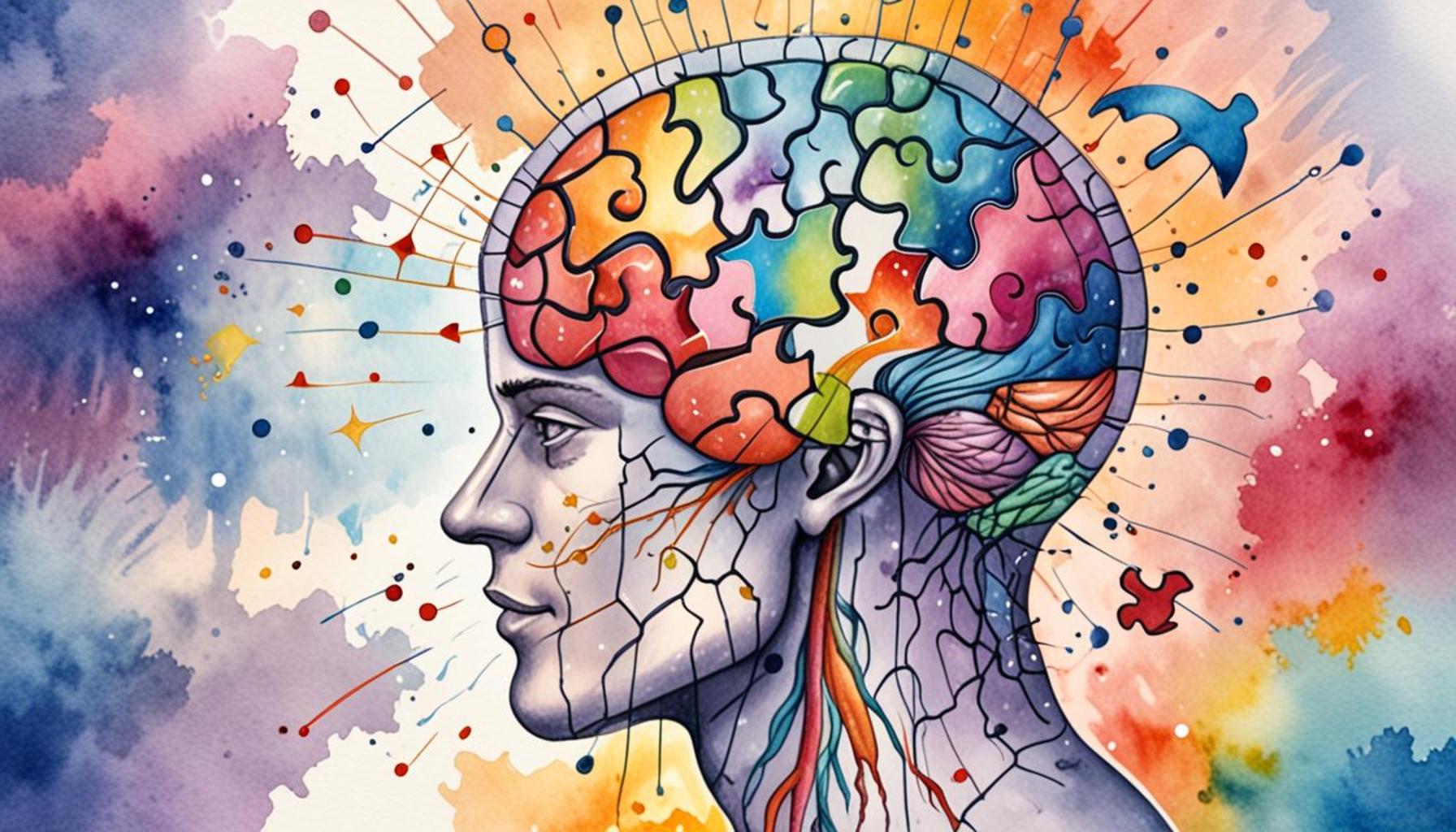
Unraveling Logical Puzzles: How Narrative and Creativity Intertwine in Problem Solving

The Allure of Logical Puzzles
Engaging with logical puzzles presents an opportunity to stretch our cognitive abilities and delve into the intricate dance between logic and creativity. These challenges are not merely tests of intellect; they combine the structured approach of reasoning with the fluid nature of storytelling, resulting in a stimulating problem-solving experience. By blending elements of genre and narrative, puzzles can transform into adventurous quests that captivate our imagination and sharpen our minds.
Several key aspects illustrate this fascinating intersection:
- Narrative Engagement: A well-crafted story can heighten the stakes of a logical puzzle, enriching the context and providing emotional resonance. Think about classic mystery novels where the reader is invited to piece together clues alongside the detective. This immersion allows readers to connect with the material on a personal level, creating a memorable experience.
- Creative Thinking: Crafting solutions often demands an innovative approach, prompting individuals to think outside conventional parameters. For instance, the famous puzzle known as the “Nine Dots” encourages solvers to connect all dots with just four straight lines without lifting the pencil. This problem requires thinkers to expand their vision beyond the confines of the square formed by the dots, epitomizing the essence of creative problem-solving.
- Problem-Solving Skills: The synergy between logical reasoning and creativity is crucial for tackling complex challenges. Many educational frameworks, particularly in the United States, emphasize the importance of STEM (Science, Technology, Engineering, and Mathematics) education, where puzzles are often integrated into lessons to enhance critical thinking. For example, computer programming often incorporates logical puzzles, designed to test and train developers in algorithmic thinking.
Consider the captivating world of escape rooms, where participants must solve a series of interconnected puzzles to “escape” within a specified timeframe. These scenarios emphasize both collaborative problem-solving and narrative engagement, as players immerse themselves in a theme—whether it be a haunted mansion or secret agent mission—while working together to decipher clues and unlock the next step. In this environment, creativity flourishes as diverse minds bring varied perspectives to the table, enriching the experience.
As we explore the myriad ways in which logical puzzles engage and entertain, it becomes evident that the interplay of narrative and creativity is not just a trivial pastime but an essential component of broader cognitive development. By embracing this interface, individuals can cultivate enhanced reasoning skills while infusing creativity into their daily lives, making each challenge an opportunity for growth and discovery.
DISCOVER MORE: Click here to enhance your skills

The Psychological Benefits of Solving Puzzles
Logical puzzles appeal not just to our intellect but also to our psychology, offering numerous mental benefits that extend far beyond their immediate challenges. Engaging in these brain teasers can lead to enhanced cognitive functioning, sharper memory, and greater emotional well-being. When intertwined with narrative, these puzzles create a complete experience that resonates deeply, making the journey of solving them more profound and rewarding.
One of the most fascinating aspects of logical puzzles is their ability to stimulate both the left and right sides of the brain, harnessing analytical skills alongside creative thinking. Research indicates that activities like solving puzzles can significantly boost overall brain performance, improving capabilities such as:
- Critical Thinking: Navigating through a puzzle’s complexities requires the application of logic and reasoning, enabling individuals to analyze situations effectively and identify viable solutions.
- Creativity Enhancement: The collaboration of story-telling within puzzles urges solvers to consider unconventional approaches. This creative leap often results in a more flexible mindset, beneficial in both personal and professional contexts.
- Better Memory: Many puzzles are designed to test recall skills, whether through remembering a sequence of numbers or recognizing key elements within a narrative. Regular engagement can significantly improve one’s ability to remember information.
Moreover, the narrative framework of a puzzle often provides emotional engagement, which is essential for maintaining motivation. Studies show that people are more inclined to tackle challenges with a compelling story backdrop, as it creates a personal investment. For example, solving a murder mystery puzzle becomes more than just a game—it evolves into a quest for justice, where participants embody their roles and truly immerse themselves in the narrative.
A clear illustration of this concept can be seen in the television hit series “Wheel of Fortune,” which introduces engaging word puzzles set against exciting narratives. Participants must not only solve word problems but also grasp the thematic connections woven into each round, thus appealing to a variety of cognitive strengths. The synergy of narrative with logical structure keeps viewers intrigued while challenging participants to blend strategy and creativity.
In addition to entertainment, educational settings leverage the connection between narrative and puzzles to promote learning. Programs incorporating logical challenges into their curriculum enable students to grasp complex concepts through a relatable story, thus enhancing both understanding and retention. This strategy has been particularly useful in mathematics, where problems are often framed within everyday situations, allowing students to visualize and better comprehend abstract ideas.
Ultimately, as we delve deeper into the robust relationship between narrative and creative problem-solving, we uncover their power to ignite curiosity and foster resilience. The essence of solving logical puzzles goes beyond mere deductions and calculations; it invites us to engage with stories that enrich our problem-solving arsenal while embarking on a journey of cognitive and emotional growth.
Creative Processes in Logical Problem Solving
As we delve deeper into the realm of logical puzzles, it becomes clear that narrative and creativity play crucial roles in effective problem-solving. The interweaving of storytelling elements with logical frameworks allows solvers to engage with challenges on multiple cognitive levels. When faced with a complex puzzle, envisioning a narrative can significantly enhance one’s ability to think critically and devise innovative solutions. For example, visualizing a scenario where characters are confronting obstacles within a story helps individuals contextualize the problem. In these moments, the solver’s imagination ignites, leading them on a path that is not just about reaching a solution but experiencing the journey of deduction and insight. This process is aligned with how many cognitive scientists propose we make sense of the world: through stories.Moreover, creative thinking techniques such as brainstorming or lateral thinking exercises encourage solvers to step outside conventional boundaries. This unconventional approach can lead to breakthrough ideas that traditional linear methods might overlook. The act of playfully exploring possibilities mirrors the flexibility of the mind when it is free to associate different concepts and narratives.
The Role of Contextual Understanding
Context is vital in both narratives and puzzles. When approaching a logical problem, understanding the backdrop can provide essential hints towards an effective solution. A solver who understands the narrative context is often able to apply the principles of the puzzle more effectively. The narrative provides a frame of reference, making it easier to identify patterns or discrepancies, which are crucial in logical reasoning.Using metaphors and analogies, drawn from narratives, can also illuminate complex logical structures. When solvers articulate their ideas through familiar stories or archetypes, they often clarify their own thinking, leading to deeper insights and a more profound understanding of the puzzle at hand. In conclusion, the intricate relationship between narrative and creativity in problem-solving not only makes tackling logical puzzles enjoyable but also enhances cognitive abilities. Engaging with these elements encourages individuals to think outside the box, fostering creativity that is essential in both academic and everyday contexts.
DIVE DEEPER: Click here to unlock your creativity
The Role of Narrative in Enhancing Logical Reasoning
The intersection of narrative and logical puzzles not only captivates the mind but also imbues the problem-solving process with depth and meaning. When a logical challenge is enhanced with a compelling story, it enables individuals to immerse themselves in a world where they can explore various perspectives and outcomes. This narrative engagement encourages solvers to consider the prerequisite context of each puzzle, effectively sharpening their logical reasoning skills.
Take, for instance, popular escape room experiences. In these immersive environments, participants are often presented with a storyline that sets the stage for the challenge at hand. Whether they are uncovering a secret laboratory or escaping from a haunted mansion, the narrative context breaks the monotony of traditional problem-solving. This is not merely entertainment; researchers have found that the emotional responses elicited by narrative elements can significantly enhance cognitive flexibility and attention to detail, essential components when navigating complex logical scenarios.
Additionally, the role of characters in narrative-driven puzzles cannot be overlooked. By introducing unique personas who have distinct motivations, solvers can analyze situations from various angles, diversifying their problem-solving approach. For example, consider the enduring appeal of detective novels that incorporate logical puzzles. By stepping into the shoes of the detective, readers are invited to engage with clues and evidence in a way that nurtures participative reasoning—a skill integral not only in literature but also in real-life decision-making.
- Motivation and Context: The emotional stakes associated with characters or narratives can further fuel motivation. Participants are more inclined to solve puzzles because they feel personally involved in the storyline being told. A suspenseful narrative can act as a motivative catalyst, pushing individuals to seek solutions eagerly.
- Framework for Decision-Making: The context provided by narrative structures offers a framework for decision-making. Solvers can delineate viable paths and scenarios based on the narrative framework, supporting critical evaluations of various outcomes.
- Enhanced Engagement: Complex narratives are often interwoven with logical challenges, creating layers that captivate and maintain engagement, thereby bolstering sustained attention and deeper analytical capability.
The educational realm has recognized the indispensable role of narrative in problem-solving. Many educators have adopted storytelling methodologies, presenting logic problems framed within engaging narratives to capture students’ interest. A notable example is the use of story-based math problems, where students might have to determine the speed of a character running against time to save a friend. This contextual portrayal not only makes the problem relatable but also enhances the process of logical deduction.
Moreover, the evolution of digital platforms and gaming has introduced an innovative dimension to this intersection. With games designed to tackle logic puzzles through storytelling elements—like “The Witness” or “Portal”—players navigate beautifully crafted worlds filled with challenges that require both logical reasoning and creative problem-solving. The confluence of narrative and puzzle-solving in these games reinforces skills applicable in real-world scenarios, such as teamwork, critical thinking, and creative leverage.
As we explore how narrative structures enrich logical puzzles, it’s evident that this synergy fosters an environment ripe for creativity and innovation. The challenges presented not only sharpens the intellect but also shapes personal growth, inviting each solver to contribute their unique perspective to the problem-solving process and create lasting impacts that extend well beyond the puzzles themselves.
DISCOVER MORE: Click here to uncover helpful insights
Conclusion: The Power of Story in Solving Puzzles
In today’s fast-paced world, the fusion of narrative and logical puzzles has emerged as a compelling means to cultivate both creativity and analytical thinking. As we have explored, the power of storytelling enriches the problem-solving experience, allowing individuals to connect emotionally and cognitively with challenges presented. By embedding logical puzzles within engaging narratives, we not only enhance motivation but also invite solvers to delve deeper into critical thinking and innovative approaches.
Moreover, the variety of characters and emotional stakes found in these narratives provide a framework that encourages solvers to embrace diverse perspectives. This multifaceted approach, whether applied in educational settings or through interactive experiences such as escape rooms and gaming, fosters a rich environment where creativity flourishes hand in hand with logic. As the examples illustrate, the ability to navigate from one frame of reference to another is crucial, empowering solvers to apply these skills in real-world contexts.
As we continue to unravel the complexities of logical puzzles interwoven with narratives, the implications become clear: problem-solving is not merely about arriving at solutions; it is about enhancing the journey of thinking that leads to those solutions. This dynamic interplay between narrative and creativity not only equips individuals with essential skills for life but also inspires a greater appreciation for the art of solving puzzles. As we move forward, embracing this holistic approach may very well redefine our understanding of how we engage with challenges in all aspects of life.