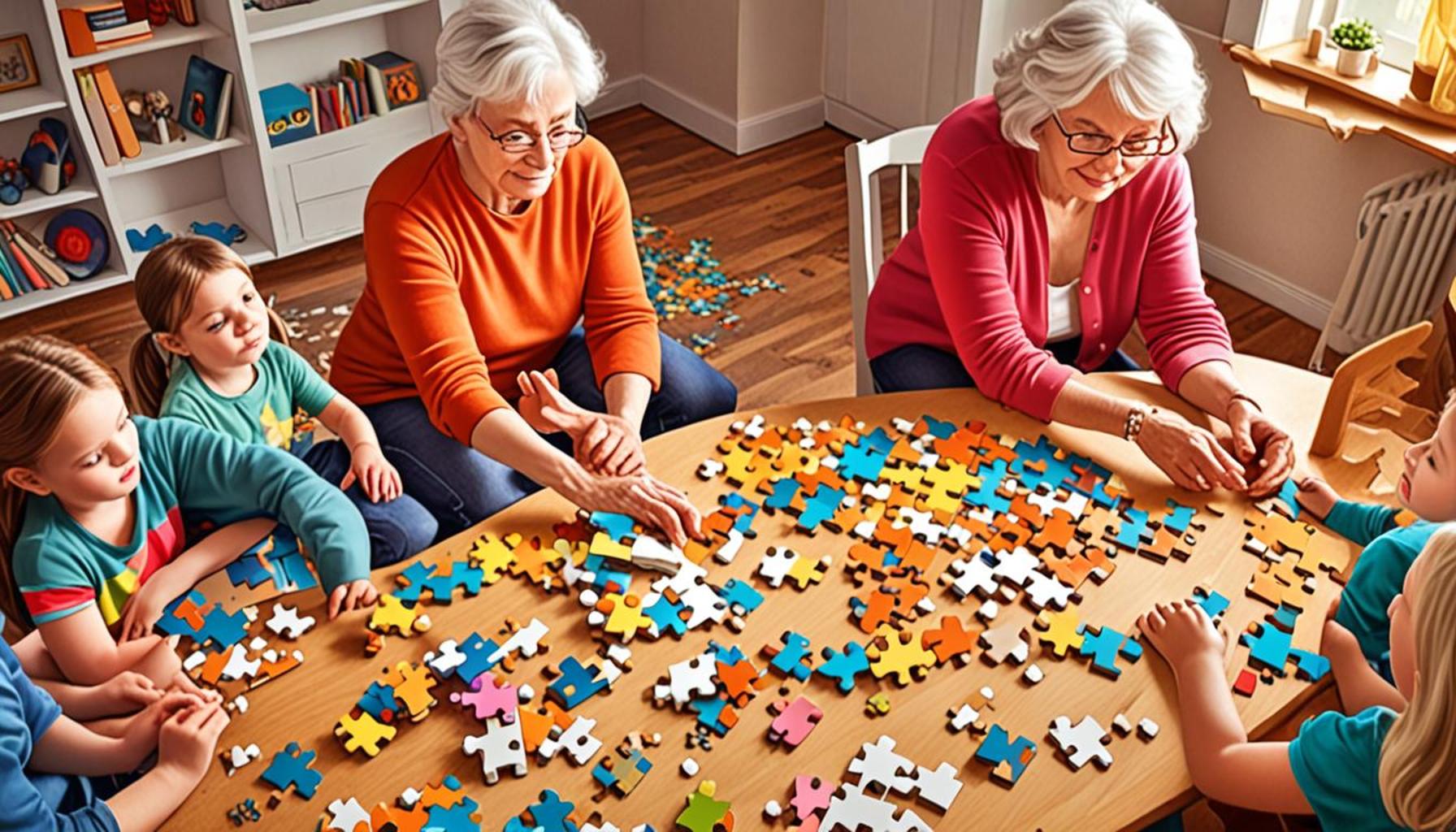
The Science of Memory: How Mind Games and Puzzles Enhance Cognitive Function
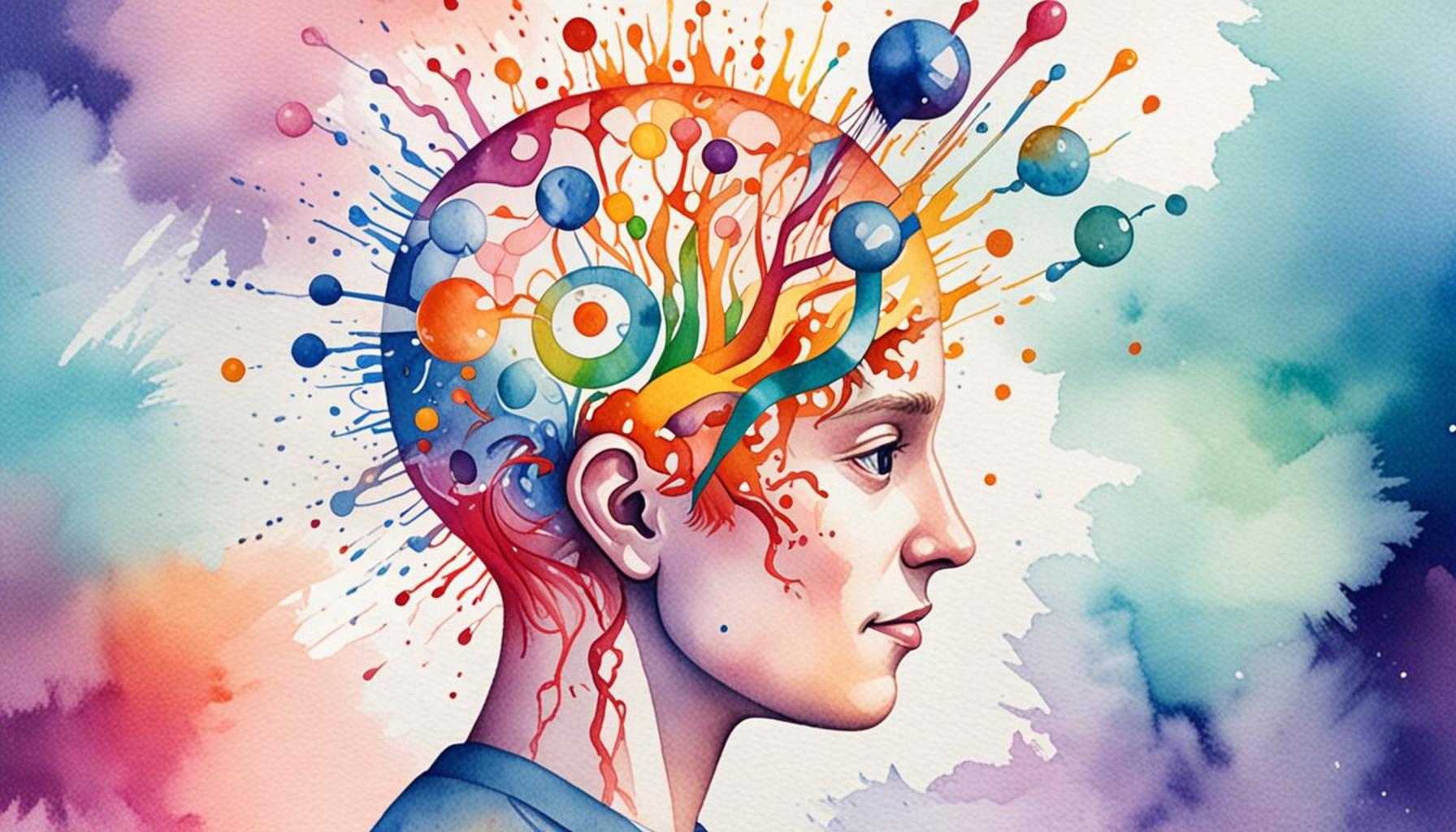
The Intriguing Connection Between Memory and Mind Games
Understanding how our memory works is a fascinating journey into the depths of human cognition. Recent studies reveal that engaging in mind games and puzzles does more than just pass the time; it significantly enhances our cognitive function. With just a few minutes of daily mental exercise, the benefits can be astonishing.
One of the most profound concepts in neuroscience is neuroplasticity, the brain’s remarkable ability to reorganize itself by forming new neural connections throughout life. Mind games stimulate this process, essentially giving the brain a workout similar to how physical exercise strengthens muscles. Activities like puzzle-solving not only challenge existing knowledge but also encourage the brain to forge new pathways, enhancing overall cognitive resilience.
In addition to fostering neuroplasticity, regular engagement in puzzles can lead to significant memory improvement. Research has shown that consistently solving problems, such as crossword puzzles, can lead to enhanced short-term and long-term memory performance. For example, a study involving older adults who participated in regular mental challenges found an increase in memory recall and retention, suggesting that these exercises can be instrumental in combatting age-related memory decline.
- Cognitive Flexibility: Mind games challenge players to think critically and adapt their strategies. This cognitive flexibility is crucial not only in playing games but also in everyday situations, making individuals more adept at handling complex problems in real life.
- Social Interaction: Many mind games, including board games and trivia, encourage social interaction, which can enhance cognitive health. Engaging with others stimulates verbal communication and collaborative problem-solving, both of which are beneficial for memory and cognitive functions.
As the American population ages, the importance of maintaining cognitive health becomes increasingly evident. Research in cognitive psychology indicates that activities such as crosswords, Sudoku, and strategy games offer significant brain benefits. These pastimes not only combat cognitive decline but also keep our brain engaged, paving the way for a vibrant and active mind well into our later years.
Moreover, the advent of technology has made it easier than ever to access these resources. Mobile apps filled with brain teasers such as Peak and Elevate, along with online platforms hosting memory games like Lumosity, are now at our fingertips, allowing users to practice cognitive skills anytime, anywhere. These tools present interactive ways to integrate mental exercises into daily routines, making brain fitness an accessible goal for everyone.
This article delves deeper into how mind games and puzzles can serve as both a fun pastime and a powerful tool for enhancing cognitive function. As more research unfolds, the connection between mental challenges and brain health only becomes more compelling, urging individuals of all ages to take up the mantle of lifelong learning and cognitive self-care.
DISCOVER MORE: Click here to dive deeper
Unlocking the Mysteries of Memory Through Puzzles
As modern science continues to unravel the complex workings of human memory, the role of mind games and puzzles has emerged as a powerful tool in enhancing cognitive function. Cognitive neuroscientists are collectively recognizing the importance of mental stimulation, with various studies revealing how engaging in targeted brain activities can not only improve memory retention but also bolster overall brain health. For instance, playing memory games and indulging in brain teasers, such as Sudoku or jigsaw puzzles, can trigger significant cognitive advancements, leading to sharper analytical and problem-solving skills.
A key feature of memory enhancement through brain games lies in their ability to improve working memory. Working memory refers to the short-term memory system responsible for holding and manipulating information over brief periods. Engaging in challenges that necessitate this form of memory, like chess or strategy-based video games, can lead to improved focus and recall ability. Research conducted by experts in psychology found that participants engaging in strategy games over a period showed marked improvement in their capacity to retain and utilize information effectively.
Furthermore, mind games also cultivate executive functions, which encompass critical cognitive processes like planning, decision-making, and cognitive flexibility. These skills are crucial for navigating everyday challenges and are particularly vital for older adults working to maintain their cognitive agility. Activities that encourage multitasking, such as interactive memory card games, compel the brain to adapt and respond to new information swiftly, enhancing overall cognitive efficiency.
- Problem-Solving Abilities: Puzzles that require logical reasoning and strategic thinking foster an individual’s ability to approach complex problems, translating these skills into real-life scenarios.
- Increased Attention Span: Regular engagement in puzzles can contribute to prolonged attention spans, a necessary skill for staying focused in both academic and professional environments.
- Emotional Wellbeing: Beyond cognitive gains, mind games can elevate mood and reduce stress, offering a holistic approach to mental health and cognitive performance.
In light of the current trends in health and wellness, cognitive fitness has become an essential aspect of maintaining a healthy lifestyle. With the rise of mobile apps dedicated to brain training, individuals have an unprecedented opportunity to incorporate cognitive exercises into their daily routines. By utilizing platforms such as BrainHQ and Cognifit, users gain structured access to improve their memory functions, offering invaluable tools for motivation and consistency in mind training.
The burgeoning recognition of the connection between mind games and cognitive enhancement has revealed that there is substantial merit in the habit of integrating puzzles into our daily lives. As both a recreational outlet and a source of cognitive empowerment, mind games represent a fascinating intersection of enjoyment and mental development, paving the way for a brighter future in memory health.
| Advantage | Explanation |
|---|---|
| Improved Memory Retention | Engaging in mind games boosts brain activity, enhancing memory retention through increased neural connections. |
| Enhanced Problem-Solving Skills | Puzzles challenge the brain, ultimately refining problem-solving skills and accelerating cognitive responses, essential for day-to-day challenges. |
Research indicates that mentally stimulating activities, such as puzzles and brain games, are not merely entertaining; they provide robust exercise for the brain, akin to physical workouts for the body. A study published in *Psychological Science* revealed that older adults who engaged in cognitively demanding activities had a significantly lower risk of developing dementia. Moreover, solving crosswords, Sudoku, and logic puzzles enhances cognitive flexibility, which is critical for adapting to new experiences and situations.Playing educational games fosters a growth mindset, allowing participants to become more resilient and adaptable. This adaptability is essential in our fast-paced world where the ability to rethink and reframe problems is invaluable. Engaging regularly with mind games not only diverts stress but also creates an opportunity for social interaction, key to emotional health and overall well-being. The intricate connection between social engagement and cognitive function cannot be overstated, propelling individuals toward healthier aging.In light of these findings, it is clear that integrating mind games and puzzles into daily life is not just a fun pastime, but a vital component of maintaining cognitive health. Delving deeper into how specific games enhance various cognitive functions can enlighten readers on optimizing their mental exercises for maximum benefit.
DISCOVER MORE: Click here to enhance your cognitive skills
The Psychological Benefits of Engaging in Mind Games
In addition to bolstering cognitive capabilities, mind games and puzzles have demonstrated significant psychological benefits, which further enhances their allure as tools for memory improvement. Engaging in mentally stimulating activities can be a notably effective method for reducing symptoms of anxiety and depression. For instance, research has shown that individuals who regularly partake in activities like crossword puzzles or Scrabble often report heightened mood levels and decreased feelings of stress. This elevated sense of well-being is likely a result of several intersecting factors, including the feelings of accomplishment and satisfaction that come from solving problems.
Moreover, the social aspect of many brain games cannot be overlooked. Games such as trivia nights or cooperative puzzle-solving platforms encourage interaction among players, fostering connections that can reduce feelings of loneliness and isolation. This is particularly relevant for older adults, who often experience significant shifts in their social circles. In an era where social engagement is increasingly vital for mental health, collaborative mind games provide a purposeful avenue for connection. Studies suggest that socializing through shared interests in games enhances emotional resilience and builds a supportive community—a crucial component in maintaining cognitive abilities over time.
- Creative Thinking: Engaging in puzzles allows individuals to tap into and develop their creative thinking abilities. Games that prompt out-of-the-box solutions, like lateral thinking puzzles, can stimulate the brain’s creative centers, enhancing innovation and resourcefulness.
- Memory Recall: Activities that involve remembering patterns, numbers, or images, such as memory card games, can significantly augment one’s ability to recall information. This constant practice helps solidify neural pathways, making it easier to retrieve memories.
- Stress Relief: Focusing on a puzzle or brain game serves as a form of escapism that allows individuals to temporarily set aside their daily stresses, resulting in relaxation and mental rejuvenation.
Furthermore, the neuroplasticity of the brain—its ability to adapt and reorganize itself—is particularly relevant when discussing the impact of mind games on memory function. Engaging in repetitive mental challenges can promote the formation of new neural connections and strengthen existing pathways. A notable study published in the journal “Frontiers in Human Neuroscience” revealed that older adults who regularly engage in cognitively demanding tasks displayed greater improvement in brain volume metrics when compared to their less active counterparts. This discovery underscores the notion that cognitive engagement can help counteract age-related cognitive decline.
Brain games also encourage the development of a growth mindset, where individuals believe that their abilities can improve with effort and perseverance. This belief can have profound implications for memory performance. Research led by psychologists at Stanford University emphasizes that individuals who adopt a growth mindset tend to embrace challenges more readily and persist longer in the face of setbacks. Such a mindset translates into greater efforts put forth in activities like puzzles and memory games, ultimately enhancing overall cognitive function.
With ongoing developments in cognitive neuroscience, the awareness of the transformative powers of mind games continues to grow. As researchers delve deeper into the relationship between mental exercises and memory enhancement, it becomes increasingly clear that incorporating brain games and puzzles into our daily lives is not merely a pastime—it serves as a critical investment in our cognitive futures.
DIVE DEEPER: Click here to discover the evolution of word games
Conclusion: Unleashing the Power of Cognitive Engagement
In summary, the exploration of how mind games and puzzles enhance cognitive function reveals a compelling interplay between mental exercise and memory improvement. The evidence is now irrefutable: engaging in challenging activities not only sharpens the mind but also positively affects emotional well-being and social connectivity. Through enhanced creativity, improved memory recall, and an undeniable boost in mood, cognitive games provide a multi-faceted approach to maintaining and even enriching cognitive capabilities.
As we continue to understand the brain’s remarkable neuroplasticity, the notion that cognitive engagement can counteract age-related decline becomes increasingly poignant. Studies underscore that incorporating brain games into our daily routines, irrespective of age, can facilitate the formation of new neural connections and strengthen existing ones. The correlation between a growth mindset and sustained cognitive engagement further emphasizes the profound implications for enhancing memory performance.
Therefore, whether it is solving a crossword during your morning coffee or participating in a trivia night with friends, the benefits are manifold. These mental challenges serve not only as a source of entertainment but as vital tools for optimizing our mental acuity. In a world where cognitive health is paramount, investing time in brain training through mind games and puzzles is not just recommended—it is essential. So why not embrace the power of play and see how these mental exercises can enrich your life and those around you?