The Role of Memory Challenges in Aging: Keeping the Mind Sharp Through Puzzles

Exploring Memory and Aging
As we age, memory challenges can become a significant concern, impacting daily life in various ways. With over 55 million people globally experiencing dementia, understanding how to maintain mental acuity is crucial. Various strategies exist to support cognitive health, and one surprisingly effective method involves engaging with puzzles.
The Importance of Mental Exercise
Just like physical exercise strengthens our bodies, mental activities can keep our minds sharp. Engaging in stimulating cognitive tasks can delay the onset of memory-related issues and might even enhance brain function. This is particularly pertinent as studies suggest that consistent mental exercise can be as beneficial as engaging in physical activities, especially for older adults.
Here are some reasons why puzzles are a promising solution:
- Enhance Problem-Solving Skills: Puzzles require strategic thinking, which can foster creativity and adaptability. Engaging with different types of puzzles forces individuals to approach problems from various angles, cultivating a more versatile thinking approach.
- Boost Memory Retention: Regular engagement in puzzles can help improve both short-term and long-term memory. For instance, puzzles that involve remembering previously solved clues or patterns can reinforce neural connections in the brain, aiding in memory retention.
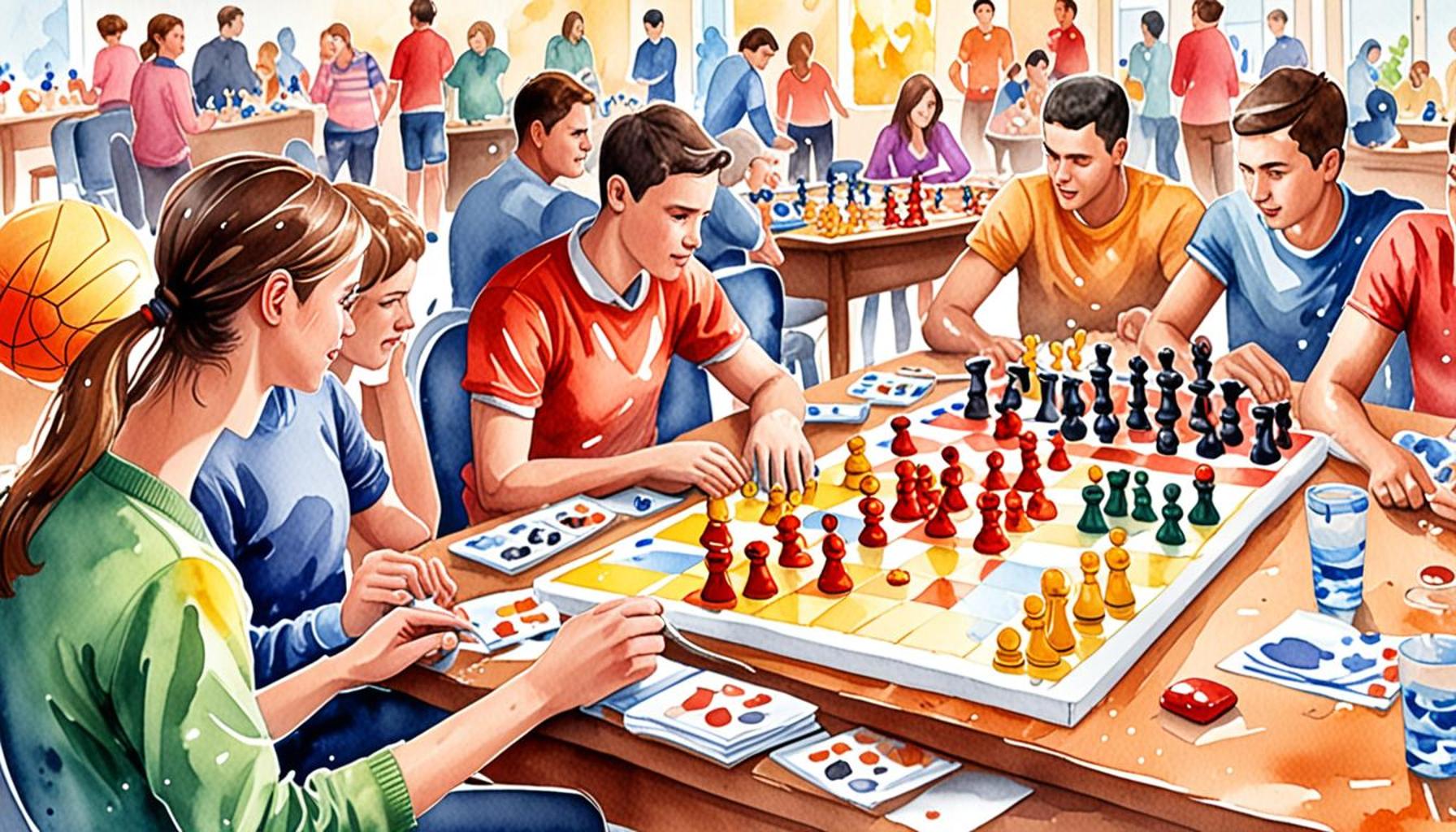
- Provide Social Interaction: Many puzzles can be enjoyed in groups, encouraging socialization and stimulating conversation. Community-based puzzle groups have emerged, fostering not just cognitive skills but also interpersonal connections that can stave off loneliness and depression.
Types of Puzzles to Consider
Choosing the right kind of puzzle can make a difference in the benefits you gain. Consider incorporating:
- Crossword puzzles for vocabulary and memory. These not only test your word knowledge but also improve your ability to recall information under pressure.
- Sudoku for logical reasoning and pattern recognition. The logical structure of Sudoku enhances problem-solving skills and fosters critical thinking.
- Jigsaw puzzles for spatial awareness and visual memory. These require individuals to visualize how pieces fit into a larger picture, which can engage both creative and analytical thought processes.
Engaging with these activities not only challenges the mind but also transforms the perception of aging itself. For instance, many retirement communities in the United States have incorporated puzzle-solving activities into their daily programming, highlighting the role of puzzles in maintaining cognitive function. Programs that foster these brain-stimulating activities offer a glimmer of hope for healthy aging and improved quality of life.
In conclusion, incorporating puzzles into daily routines can be an enjoyable and effective means of keeping the mind sharp as one ages. By understanding the different types of puzzles and their benefits, individuals can actively work towards sustaining their cognitive health, making aging a more graceful journey.
DISCOVER MORE: Click here to enhance your problem-solving skills
Why Puzzles Matter in Cognitive Health
The appeal of puzzles goes beyond mere entertainment; they serve as a multifaceted tool for cognitive maintenance, especially for seniors facing memory challenges. As the brain ages, it naturally undergoes transformations that can hinder memory retention and processing speed. However, engaging in regular puzzle activities can potentially counteract these effects, offering both stimulation and fun.
Research indicates that elderly individuals who frequently indulge in puzzles demonstrate improved memory function and cognitive flexibility compared to those who do not engage in such activities. Indeed, studies conducted by institutions like the Alzheimer’s Association highlight that mental challenges can lead to the formation of new neural pathways, enhancing brain health and potentially delaying or even preventing cognitive decline.
The Science Behind Puzzle Engagement
Analyzing the mechanics of puzzles unveils how they contribute to mental sharpness. Here’s a closer look at the cognitive benefits derived from various types of puzzles:
- Enhance Critical Thinking: Activities such as crosswords or logical games require participants to analyze clues and derive solutions, stimulating the brain’s reasoning capabilities. This active engagement encourages individuals to think outside the box, which is critical as we age.
- Strengthen Memory Connections: By consistently working on memory games or jigsaw puzzles, individuals can establish and reinforce connections between neurons, which can stave off the decline typically seen in aging brains. The act of recalling information or symbols assists in solidifying these neural pathways.
- Improve Concentration: Puzzles encourage a focus on one task, allowing individuals to practice concentration techniques. This is significant as older adults often struggle with distractibility, which can negatively impact memory retention.
Moreover, engaging in puzzles often evokes nostalgia, drawing on fond memories from one’s past experiences. This connection can be uplifting and can spark joy even on challenging days. For many, the process of puzzle-solving is akin to reminiscing—a walk down memory lane that not only entertains but also reinforces mental faculties.
In light of the findings, many experts recommend integrating puzzles into daily routines as a proactive measure to combat memory challenges associated with aging. Whether it involves setting aside time for a crossword during breakfast or participating in community puzzle competitions, these activities offer a dual advantage: they benefit cognitive health and foster social connections among peers.
Incorporating puzzles into lifestyles can empower individuals to maintain their cognitive abilities while embracing the aging process. As the landscape of aging evolves, so does the understanding of how to keep our minds sharp, making puzzles an essential tool in promoting mental health for seniors across the United States.
The Benefits of Engaging in Puzzles for Memory Retention
As we age, cognitive functions naturally decline, which can lead to memory challenges. Thus, it becomes crucial to seek out stimulating activities that can help maintain brain health. Puzzles, in various forms such as crosswords, Sudoku, and jigsaw puzzles, present an opportunity not just to enjoy leisure time, but also to actively engage and strengthen cognitive abilities.Research indicates that regular engagement in puzzles and brain games can lead to improved short-term memory and enhanced problem-solving skills. Activities that require mental agility promote the growth of new neural connections and enhance synaptic plasticity, which is vital for maintaining cognitive health. Furthermore, working on puzzles can notably reduce the risks associated with neurodegenerative diseases like Alzheimer’s. As highlighted in many studies, socially engaging in puzzle activities also fosters a sense of community, which is essential for emotional well-being. Whether done alone or with family and friends, the shared experience of solving puzzles can lead to increased motivation and enjoyment, making it a beneficial habit to cultivate.Active participation in cognitive challenges, such as puzzles and brain games, offers a twofold advantage: it sharpens our mental faculties while providing a fun, rewarding pastime. This combination urges individuals to continuously explore different types of puzzles, thus keeping their minds vibrant and adaptable. To illustrate the variety of advantages puzzles offer, consider the following table:
| Advantage | Description |
|---|---|
| Improved Memory | Puzzles enhance short-term memory retention through consistent practice. |
| Social Interaction | Collaborative puzzle solving boosts emotional well-being and fosters connections. |
| Neural Growth | Engaging challenges stimulate brain function and promote new neural pathways. |
Embracing puzzles as a regular mental workout encourages not only cognitive resilience but also offers a fulfilling way to enjoy life throughout the aging process. Each challenge completed serves as a building block toward maintaining mental sharpness.
DIVE DEEPER: Click here to uncover the evolution of strategy games
Exploring the Variety of Puzzle Types and Their Benefits
The world of puzzles is vast and varied, offering numerous avenues for individuals to challenge their minds and stave off memory decline. Engaging in different kinds of puzzles can cater to personal preferences while providing unique cognitive benefits. Let’s delve deeper into several popular puzzle types and their specific advantages for seniors dealing with memory challenges.
Crossword Puzzles: A Vocabulary Workout
Crossword puzzles are a quintessential example of brain exercises that not only entertain but also stimulate cognitive function. These word-based enigmas require players to recall and apply vocabulary, encourage creative thinking, and tap into previous knowledge. Research indicates that regular engagement with crosswords can lead to superior verbal memory in older adults. Furthermore, the social aspect of working on crosswords with friends or family members can enhance collaboration and communication, both vital components of mental health.
Sudoku: Number-based Logic
Sudoku, a number-placement puzzle beloved by many, challenges a different part of the brain—logic and numerical reasoning. Solving Sudoku puzzles requires players to think analytically and strategically, fostering skills that can be beneficial in everyday decision-making. Studies have shown that older adults who regularly practice Sudoku exhibit improved concentration and enhanced problem-solving skills. This puzzle not only sharpens the mind but also cultivates a sense of accomplishment upon completion.
Jigsaw Puzzles: Visual Association and Memory Reinforcement
Jigsaw puzzles serve a dual purpose: they are not only engaging but also beneficial for visual-spatial reasoning. Working on jigsaw puzzles involves recognizing patterns, employing visual memory, and developing fine motor skills, all crucial as cognitive functions begin to wane with age. According to a report from the Aging & Mental Health Journal, engaging in jigsaw puzzles can lead to a notable enhancement in both short-term and long-term memory. Moreover, the satisfaction of seeing a completed picture serves as a motivational boost that reinforces persistence and patience.
Online Puzzle Platforms: Digital Age Solutions
With technology intertwining with every aspect of our lives, online puzzle platforms offer a modern twist to traditional puzzles. These platforms provide access to an array of puzzles, from brain teasers to interactive games designed to enhance cognitive function. Seniors can participate in online communities, promoting socialization while challenging themselves cognitively. Many platforms even track progress, allowing users to see improvements over time, which can be encouraging and motivating.
The Community Aspect: Puzzles as a Social Tool
Engaging with puzzles can create a community-focused activity, further enhancing their cognitive benefits. Participating in puzzle clubs or community competitions fosters social interactions and relationships that can be incredibly valuable in combating the loneliness often associated with aging. Sharing strategies and solutions can stimulate conversations, keep the mind active, and reinforce a sense of belonging, all essential elements for mental health.
Ultimately, the integration of puzzles into daily routines provides not just cognitive stimulation, but also enriches interpersonal relationships, which can be as critical as the puzzles themselves in promoting overall mental health among seniors facing memory challenges. The act of solving puzzles can transition from a solitary endeavor to a great opportunity for social connectivity and mental enrichment, making it a vital component of aging gracefully.
DISCOVER MORE: Click here to enhance your cognitive skills
Conclusion: Embracing Puzzles for Enhanced Mental Health in Aging
As we navigate the complexities associated with aging, it becomes increasingly crucial to prioritize mental acuity and social engagement. The evidence presented throughout this article highlights a robust connection between puzzles and the preservation of cognitive function among seniors. By embracing a variety of puzzle types—ranging from crosswords that sharpen vocabulary skills to Sudoku that enhances logical reasoning, and jigsaw puzzles that reinforce visual memory—older adults can actively combat memory challenges while enjoying an enriching experience.
Moreover, the advent of online puzzle platforms and community-based puzzle-solving activities not only introduces a modern layer of challenge but also fosters necessary social connections that hinder feelings of loneliness. As showcased, the collaborative aspect of puzzles can serve as a beacon of communication and camaraderie, vital for mental well-being. Engaging with these activities encourages consistency, which research has shown to be pivotal in staving off cognitive decline.
Ultimately, fostering a habit of puzzle-solving can significantly contribute to a sharper mind and a fulfilled life in our senior years. As families and caregivers recognize the potential benefits of integrating puzzles into daily routines, they encourage a culture that values cognitive health. By doing so, we can transform the experience of aging into a proactive journey, where the mind remains vibrant and engaged. Take that first step today—discover the myriad of puzzles available and make them a regular part of life to keep your mind sharp and your spirit high amidst the challenges of aging.