The Role of Brain Teasers in Improving Memory and Attention in the Elderly

The Cognitive Benefits of Brain Teasers for the Elderly
As individuals transition into their golden years, the decline in memory and attention often poses numerous challenges. These cognitive hurdles can affect day-to-day living, making routine tasks, social interactions, and even personal hobbies more difficult to navigate. With the increasing emphasis on maintaining mental agility, there has been a notable surge in the use of brain teasers to provide cognitive stimulation. However, these activities do far more than simply pass the time—they serve as an essential tool for enhancing mental health and cognitive function among older adults.
Enhanced Memory is one of the most significant advantages of regularly engaging with brain teasers. Studies suggest that the act of solving puzzles can bolster both short-term and long-term memory recall. For example, a study published in the Journal of Aging Research found that individuals who participated in memory exercises, including various types of puzzles, experienced up to a 20% improvement in recall ability after just a few months of consistent practice. This shows that puzzles can be an effective strategy for those looking to preserve their cognitive capabilities.
Increased Attention Span is another critical benefit. Challenging activities such as solving riddles, completing crosswords, or tackling Sudoku not only require concentration but also promote the development of focus over time. Engaging with these tasks helps train the brain to sustain attention, which is often a struggle for seniors. Research from the University of California has highlighted that older adults who regularly challenge themselves with cognitive tasks reported a greater ability to concentrate on everyday tasks.
Moreover, engaging in brain teasers can enhance Social Interaction, a vital aspect of emotional wellbeing. Many people, especially the elderly, may feel isolated or lonely. Group activities that involve tackling brain teasers or puzzles foster connections among individuals. For instance, community centers or retirement homes often offer puzzle nights, where residents collaborate to solve challenges. This not only aids in mental stimulation but also cultivates friendships and enhances the quality of life.
Numerous studies have substantiated the positive effects of brain games on mental health. For instance, participants who regularly incorporated these activities into their routine scored significantly higher on cognitive assessments than those who did not. Additionally, various organizations, including the Alzheimer’s Association, suggest incorporating such activities as part of a daily routine to potentially stave off cognitive decline.
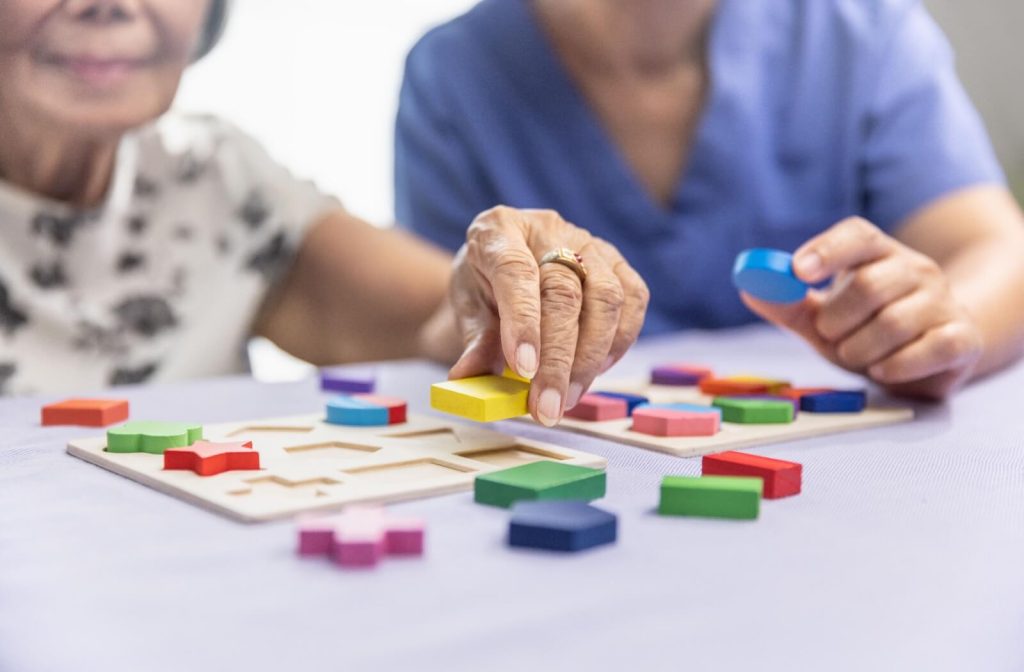
In conclusion, integrating brain teasers into the lives of older adults can have a profound impact on both memory and attention. With an abundance of options available—from simple games to intricate puzzles—there is something for everyone. So next time you sit down with a crossword or a Sudoku puzzle, remember that you are not just having fun; you are also actively contributing to your cognitive health and supporting your mental vitality.
DISCOVER MORE: Click here for insights
Understanding the Mechanics of Memory Improvement
Engaging the brain through activities that challenge and stimulate mental faculties is essential for maintaining cognitive health, especially among older adults. Brain teasers, ranging from crossword puzzles to Sudoku, provide a unique blend of entertainment and cognitive workout. Each of these activities serves as a vehicle for enhancing memory by stimulating neural pathways. This is crucial as the brain works to process complex information and patterns, activating areas responsible for storing and retrieving memories. The increased neural activity can result not only in better puzzle-solving skills but also in improved proficiency in everyday cognitive tasks such as remembering faces, names, or even where one parked their car.
The benefits of brain teasers extend beyond just immediate memory improvement. The repetitive nature of these challenges fosters neuroplasticity, the brain’s remarkable ability to adapt and form new connections throughout life. For instance, a pivotal study conducted by the National Institute on Aging found that older adults who regularly engaged in brain games exhibited significant increases in gray matter volume. This component is vital for effective cognitive function, and the study highlighted that such engagement could help slow cognitive decline and reduce the risk of developing conditions like dementia and Alzheimer’s disease.
Types of Brain Teasers Beneficial for Seniors
To maximize the cognitive advantages of brain teasers, it is vital to partake in a wide variety of activities that engage different cognitive skills. Here are some popular types of brain teasers that have been shown to be particularly advantageous for seniors:
- Logic puzzles: These puzzles challenge participants to think critically and reason through problems, which are essential skills for sustaining overall cognitive health. Games like “Mastermind” or “Minesweeper” are excellent examples that foster analytical thinking.
- Word games: Activities such as crosswords and Scrabble not only stimulate memory but also help in vocabulary expansion, which is crucial for effective verbal communication. Different themed crosswords can engage the mind while also providing entertainment.
- Number puzzles: Sudoku and mathematical riddles enhance numerical fluency. These exercises require individuals to remember and manipulate numbers, which can sharpen mental arithmetic—beneficial for daily budgeting or financial planning.
- Trivia quizzes: Engaging in trivia not only tests recall abilities but also encourages participants to access a reservoir of stored knowledge. Platforms like “Jeopardy!” or online trivia apps can bring about social engagement, prompting discussions and further exploration of shared interests.
Incorporating a diverse range of brain teasers into one’s routine encourages cognitive stimulation from various angles. This tailored approach ensures that seniors are challenged without feeling overwhelmed, encouraging sustained interest and engagement in mental exercises.
Moreover, achieving success in these brain teasers can lead to feelings of accomplishment, which is essential for enhancing emotional well-being. As older adults navigate through challenges and celebrate their victories, they not only bolster cognitive processing but also uplift their spirits and self-esteem. Thus, integrating brain teasers into a daily regimen can yield dual benefits—fortifying cognitive health while simultaneously enriching emotional resilience as individuals enjoy their golden years. The compelling evidence supporting these activities invites further investigation, encouraging seniors to embrace the power of play in nurturing their minds.
The engagement in brain teasers plays a crucial role in enhancing cognitive functions, particularly memory and attention, among the elderly. Research has consistently shown that stimulating activities can help maintain brain health and improve mental clarity. By regularly solving puzzles or engaging in mind-challenging games, seniors can effectively exercise their cognitive abilities, much like one would with physical exercise for the body.
One of the most significant advantages of incorporating brain teasers into daily routines is the potential for improved memory retention. Activities that require problem-solving skills encourage the formation of new neural connections, which can slow the progression of memory-related conditions. Additionally, focusing on such tasks helps sharpen attention spans, which often diminish with age. This dual benefit of strengthening mental acuity while enhancing focus makes brain teasers an ideal choice for elder cognitive enhancement.
| Advantage | Description |
|---|---|
| Memory Improvement | Regular engagement in brain teasers aids in forming new neural connections, enhancing memory retention. |
| Increased Attention Span | Solving puzzles fosters greater focus, combatting age-related declines in attention. |
Furthermore, the social aspect of solving brain teasers, whether through clubs or online platforms, can play a significant role in combating feelings of isolation, which is common in the elderly population. Engaging in these activities not only stimulates the mind but fosters community ties among peers, creating a supportive environment for mental well-being.
As we delve deeper into the world of cognitive exercises, it is essential to recognize how the simple act of solving a brain teaser can yield substantial benefits for memory and attention in the elderly, providing a practical and enjoyable method to sustain mental health and enhance overall quality of life.
DIVE DEEPER: Click here to explore the evolution of word games
Enhancing Social Engagement through Brain Teasers
Beyond their cognitive benefits, brain teasers can also act as powerful tools for social interaction, which is a crucial aspect of maintaining cognitive health in older adults. The link between social engagement and improved memory is well documented. Participating in brain teaser activities can foster connections among peers, thus contributing to overall emotional well-being. Group settings offer an excellent opportunity for seniors to collaborate on solving puzzles, sparking conversation, and sharing problem-solving strategies. This collaborative environment not only nurtures friendships but also enriches the experience of tackling challenging tasks.
Engaging with others through brain teasers can also help in combating the feelings of isolation that many seniors experience. In community centers or retirement homes, organizing brain teaser competitions or puzzle-solving clubs can encourage social gatherings. These social gatherings can feature a combination of team-based activities and individual challenges, making it appealing for diverse interests. Informal settings such as coffee mornings or family get-togethers can easily incorporate brain teasers as a fun activity, promoting interaction and healthy competition.
The Science Behind Social Interaction and Cognitive Health
Research indicates that social interaction may play a significant role in preventing cognitive decline. Studies conducted by the Harvard School of Public Health revealed that older adults who engage regularly in social activities are less likely to experience brain atrophy and cognitive deterioration. The shared experiences of working through brain teasers stimulate not just memory and attention, but also emotional and psychological well-being, resulting in a holistic approach to aging.
The power of storytelling during these sessions is another element that cannot be overlooked. When discussing solutions to puzzles, seniors often share personal anecdotes related to their problem-solving experiences. This not only enhances memory recall but also builds a treasure trove of shared knowledge among participants, effectively reinforcing their cognitive faculties.
Digital Brain Teasers and Technology Integration
In the digital age, brain teasers have transcended traditional paper puzzles, entering the realm of mobile applications and online platforms. Many technology companies have developed user-friendly applications specifically tailored for seniors, featuring puzzles that cater to different cognitive levels. These applications often include social features that allow users to challenge family members or friends, thereby fostering intergenerational connections. For example, platforms like Lumosity and Brain Age have engaging games that focus on memory and attention, ensuring that seniors can enjoy the benefits of cognitive training in a fun and socially enriching manner.
The ease of access to these digital brain teasers also holds the promise of continuous challenge; seniors can track their progress over time and engage in ongoing mental workouts. In addition, many apps provide daily reminders and motivational messages, which can serve to encourage consistent practice—a key element for achieving lasting cognitive benefits.
By integrating both traditional and digital approaches, seniors can find a diverse array of challenges, ensuring a well-rounded mental fitness regime that supports and sustains memory improvement. The adaptability of brain teasers to various formats ensures that cognitive health remains a priority, encouraging older adults to remain active, socially engaged, and mentally sharp as they navigate the complexities of later life.
DIVE DEEPER: Click here to uncover more
Conclusion: Embracing Brain Teasers for Cognitive Well-Being
The benefits of brain teasers extend far beyond simple entertainment; they play a crucial role in enhancing memory and attention among the elderly. As individuals age, cognitive decline can pose significant challenges, but engaging in brain teasers offers a proactive approach to combat these issues. Through regular practice, seniors can sharpen their mental faculties, leading to improved problem-solving skills and increased mental agility.
Furthermore, the social dimension of brain teasers is invaluable. By participating in group activities and competitions, seniors foster meaningful connections that combat isolation, a common threat to mental health in older adults. These interactions not only provide a sense of community but also stimulate cognitive functions through shared experiences and friendly competition.
In today’s digital world, seniors have access to innovative mobile applications designed specifically for their needs, encouraging engagement and allowing them to challenge themselves at their own pace. The combination of traditional and digital brain teasers creates a dynamic and adaptable mental fitness routine that can keep aging minds active and alert.
Ultimately, integrating brain teasers into daily life can lead to significant cognitive improvements, enhancing both memory and attention. As more research unveils the connection between mental engagement, social interaction, and cognitive health, it becomes clear that brain teasers are not just fun activities but essential tools for promoting holistic well-being in the elderly. By embracing these challenges, seniors can navigate the complexities of aging with increased confidence and vitality, proving that age is not a barrier to learning or growth.