The Relationship Between Strategy Games and Emotional Resilience: Learning from Defeat
Understanding the Impact of Defeat in Strategy Games
Strategy games engage players in a multifaceted environment that challenges their cognitive abilities and emotional fortitude. When players embark on their digital missions, they often encounter complex scenarios where every decision can lead to victory or failure. Such gameplay not only entertains but also acts as a powerful training ground for emotional resilience. The reality of experiencing defeat in these games is a universal aspect that resonates with players from all walks of life.
The notion of defeat in games—whether it be a tactical miscalculation in a turn-based game like Civilization or a poorly executed strategy in a real-time strategy game like StarCraft—can initially evoke feelings of frustration. However, these experiences are not impediments; rather, they serve as essential learning moments. Players are presented with opportunities to reflect on their decisions, analyze what went wrong, and strategize on how to tackle similar challenges in subsequent attempts.
Building Critical Skills Through Gameplay
Among the most significant skills honed through engaging with strategy games are:
- Critical thinking: Players develop the ability to assess complex situations quickly, weighing the benefits and drawbacks of each potential action. For instance, in games like XCOM, players must consider terrain, enemy positions, and unit capabilities to execute the best plan.
- Adaptability: In the dynamic environments of many strategy games, players must pivot their tactics in response to enemy strategies or random events. This skill mirrors real-life situations, such as changing course in a project at work when unexpected challenges arise.
- Patience: Many strategy games require players to invest time in refining their strategies. The learning curve can be steep, and players must accept that mastery often involves numerous failures before achieving success.
Through these experiences, players cultivate a tenacity that translates beyond the screen. Dealing with setbacks fosters a mindset geared toward resilience, which is invaluable in personal and professional realms. For example, in the face of a career setback or a personal challenge, players equipped with the emotional tools developed in gaming can better navigate adversity and recover more effectively.
Defeat as a Stepping Stone for Growth
Instead of simply viewing defeat as an endpoint, it’s crucial to embrace it as a pivotal step in the journey of growth. This perspective encourages players to take calculated risks, engage with their emotions, and cultivate a deeper understanding of resilience. As players navigate failures, they learn that persistence is key; the road to victory often runs through a series of defeats. This powerful lesson echoes in many aspects of life, teaching individuals that setbacks are not the end but merely part of the larger narrative of success.
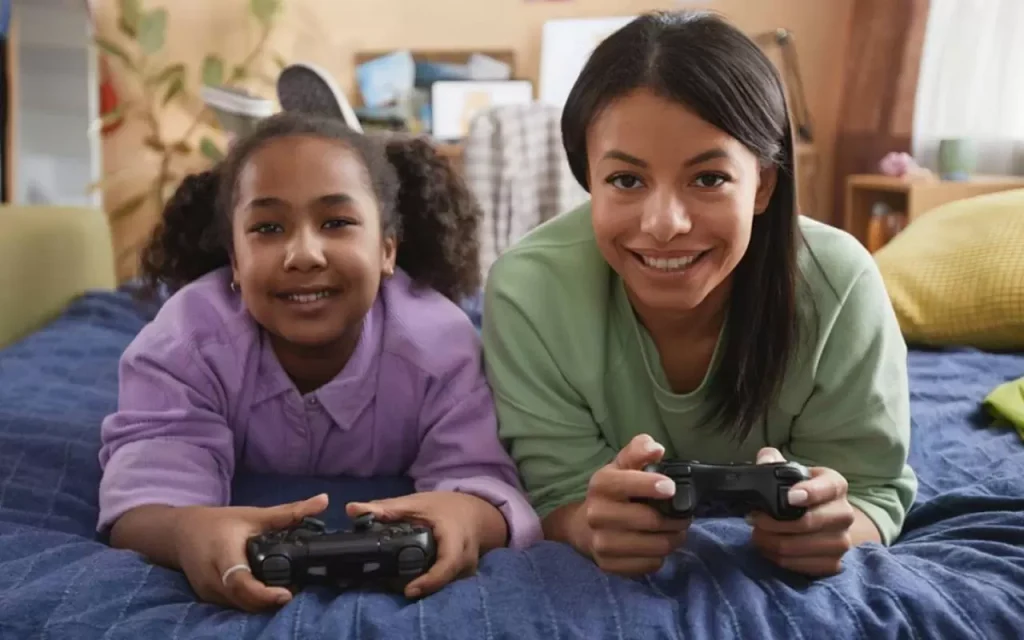
As we further explore the enriching relationship between strategy games and emotional development, it becomes clear that the lessons learned in virtual battlefields have real-world applications. They challenge us to rethink the narrative surrounding defeat and to see it as a springboard for personal evolution. Through these games, we can harness the power of resilience, preparing us to face life’s uncertainties with courage and creativity.
DIVE DEEPER: Click here to enhance your cognitive skills
The Psychological Effects of Gaming Defeats
When players engage in strategy games, they are frequently presented with the challenge of overcoming defeat. This aspect of gameplay does not just serve as a trial of skill but can also play a significant role in nurturing emotional resilience. Each defeat, whether due to poor decision-making or underestimating an opponent, elicits an emotional response that can pave the way for growth and adaptation.
According to a study conducted by the American Psychological Association, engaging with challenge-based scenarios, such as those found in strategy games, can help individuals build coping mechanisms that bolster emotional stability. This is particularly relevant in a world where individuals often face high-stress situations, allowing players to hone their ability to react calmly and reflectively to setbacks in real life.
Emotional Responses to Defeat
The emotional landscape of gaming is nuanced, with players experiencing a range of feelings when confronted with failure. Common emotional responses include:
- Frustration: The immediate reaction often ignites frustration, but this emotional response can serve as a catalyst for deeper introspection.
- Despair: Prolonged defeats can lead to despair, prompting players to question their strategies and skills, which can ultimately ignite a desire to improve.
- Motivation: Many players find that experiencing defeat sharpens their resolve, motivating them to adapt their play style and approach future challenges with a renewed strategy.
This cycle of emotional responses encourages players to navigate through their feelings, fostering a sense of resilience that transcends gaming. By regularly contending with defeat, gamers learn to compartmentalize their experiences, creating a buffer against the psychological impacts of failure outside the gaming realm.
The Role of Reflection and Strategy Reevaluation
Another crucial aspect of learning from defeat is the power of reflection. After each loss, players often engage in a process of reevaluation, examining the mechanics of their gameplay. This reflective practice is essential in developing critical skills such as:
- Analyze Mistakes: Players dissect their previous moves and reconsider strategic decisions, leading to better preparation and execution in future games.
- Experimentation: The willingness to experiment with new strategies encourages players to step outside their comfort zones, which can be beneficial in encountering real-life challenges.
- Goal Setting: Players often set incremental goals based on their defeats, tailoring their efforts toward improvement, which is a vital skill in personal and professional development.
This iterative cycle of playing, losing, reflecting, and adjusting is similar to real-life scenarios where setbacks often lead to personal growth. The ability to reframe defeat as an opportunity enhances a player’s capacity to experiment, learn, and ultimately thrive in different environments.
As we delve deeper into the intricate relationship between strategy games and emotional resilience, it is clear that this interplay is vital. The ability to face failure, analyze it, and emerge stronger mirrors the obstacles we encounter outside of gaming, making the lessons learned invaluable for holistic personal development.
The Relationship Between Strategy Games and Emotional Resilience: Learning from Defeat
Strategy games have been a cornerstone of both entertainment and intellectual growth for centuries. Through their immersive play, they present a unique arena where players face challenges that mirror real-life adversities. Immersing oneself in these games instills not only strategic thinking but also the capacity to endure and rise from failures.The connection between strategy games and emotional resilience manifests vividly during moments of defeat. Gamers are often required to confront setbacks and re-evaluate their strategies, a simulation of normal life challenges. This experience is pivotal; players learn that embracing setbacks and analyzing failures leads to improvement and innovation in their approach. Unlike instant gratification found in other game genres, strategy games necessitate patience and perseverance, fostering a deeper resilience in individuals.Moreover, research has shown that players who engage with strategy games develop better emotional regulation skills. They navigate through frustrations and manage stress effectively, thus enhancing their overall mental health. Players frequently simulate high-stakes environments, cultivating decision-making abilities under pressure, which translates to real-world scenarios where emotionally resilient individuals excel.To delve deeper into the advantages of engaging with strategy games in honing emotional resilience, consider the following table outlining key benefits:
| Category | Benefits |
|---|---|
| Problem Solving Skills | Players improve their ability to think critically and create strategies to overcome obstacles. |
| Emotional Management | Confronting defeat enhances psychological resilience and emotional control under stress. |
| Teamwork and Leadership | Multiplayer strategy games foster collaboration and developing leadership skills through team objectives. |
Engaging with strategy games offers more than just entertainment; it equips players with essential life skills that nurture emotional resilience. By learning to navigate defeats within the gaming world, individuals can prepare for the challenges life throws their way, embracing each as a stepping stone toward personal growth and strength.
DISCOVER MORE: Click here to learn about the cognitive benefits of strategy games
Building Emotional Resilience Through Gameplay
The intricate relationship between strategy games and emotional resilience unfolds further when we explore how these games foster critical character traits that impact players’ lives beyond the screen. One notable element is the cultivation of perseverance. Each defeat in a strategy game can translate into lessons about persistence, teaching players to press on despite setbacks. This concept is especially relevant in high-stakes environments, such as academic settings or workplaces, where challenges are inevitable. Just as strategy gamers learn to persist in overcoming their opponents, individuals facing obstacles in real life can harness that same tenacity to push through difficulties.
Social Dynamics and Emotional Learning
The social dynamics inherent in multiplayer strategy games further enhance emotional learning related to failure. Players often engage in team-based challenges that require cooperation and communication, creating a shared experience of triumphs and defeats. This interaction fosters empathy and strengthens social bonds, which are essential for emotional resilience. Here, players not only learn to cope with their own losses but also to support teammates through collective disappointment. A study published in The Journal of Gaming and Virtual Worlds emphasized that team players who communicate effectively during defeats often develop stronger interpersonal skills, providing a robust support system that echoes their gaming experiences in real-world scenarios.
Moreover, watching teammates process and respond to loss can offer players different perspectives on emotional resilience. Observations of peer reactions facilitate an understanding of emotional variability, making gamers more adept at managing their feelings. These social interactions encourage players to express and regulate their emotions in a safe environment, preparing them for the complexities of real-life emotions when faced with failures.
Transferable Skills for Real-World Application
Yet another dimension of learning from defeat in strategy games lies in the transfer of these experiences into real-world skills. Players become adept at strategic thinking—not only learning from their immediate actions but also understanding long-term implications of decisions. This understanding can lead to the development of critical thinking abilities, as players analyze outcomes and make informed choices rooted in past experiences of both success and failure.
- Risk Assessment: Players learn to evaluate risks associated with different strategies, which can translate into more nuanced decision-making outside gaming scenarios.
- Adaptability: The need to adapt and adjust gameplay tactics in light of defeats encourages flexibility in problem-solving skills that can be applied across various life situations.
- Stress Management: The emotional rollercoaster of gaming teaches players techniques for managing stress and regulating emotions in stressful high-stakes environments.
In essence, the process of grappling with defeat within strategy games serves as a microcosm for the challenges faced in daily life. The lessons learned, whether from evaluating defeats or navigating social dynamics, carve pathways toward enhanced emotional resilience. As players continue to hone these skills, they translate their gaming experiences into a framework capable of tackling the emotional turbulence of life with greater poise and ease.
DIVE DEEPER: Click here to boost your mental sharpness
Conclusion: The Transformative Power of Strategy Games
In exploring the relationship between strategy games and emotional resilience, we uncover a rich tapestry of learning experiences that extends far beyond mere entertainment. Through the process of facing defeat, players cultivate critical traits such as perseverance, adaptability, and empathy, all fundamental components of emotional resilience. These games serve not only as a battleground for strategic thinking but also as a training ground for handling life’s inevitable challenges.
The social dynamics within multiplayer formats enhance these lessons by promoting collaboration and communication, forging bonds that equip players to tackle collective disappointments. By learning to evaluate risks, adapt their strategies, and manage emotions, players develop transferable skills applicable to academic and professional arenas. This interplay highlights a vital paradox: failures in game scenarios can lead to greater confidence and readiness to face real-life obstacles.
Ultimately, strategy games provide a unique framework for understanding and responding to defeat. Players emerge not just as better tacticians but as resilient individuals who can navigate the unpredictable nature of life with a newfound poise. As we continue to recognize and explore the profound implications of gaming experiences, it becomes evident that leveraging the lessons learned from defeats in strategy games can prepare us to face life’s challenges head-on—a journey of growth fueled by our willingness to learn from our losses.