
The Influence of Culture on the Creation and Perception of Strategy Games
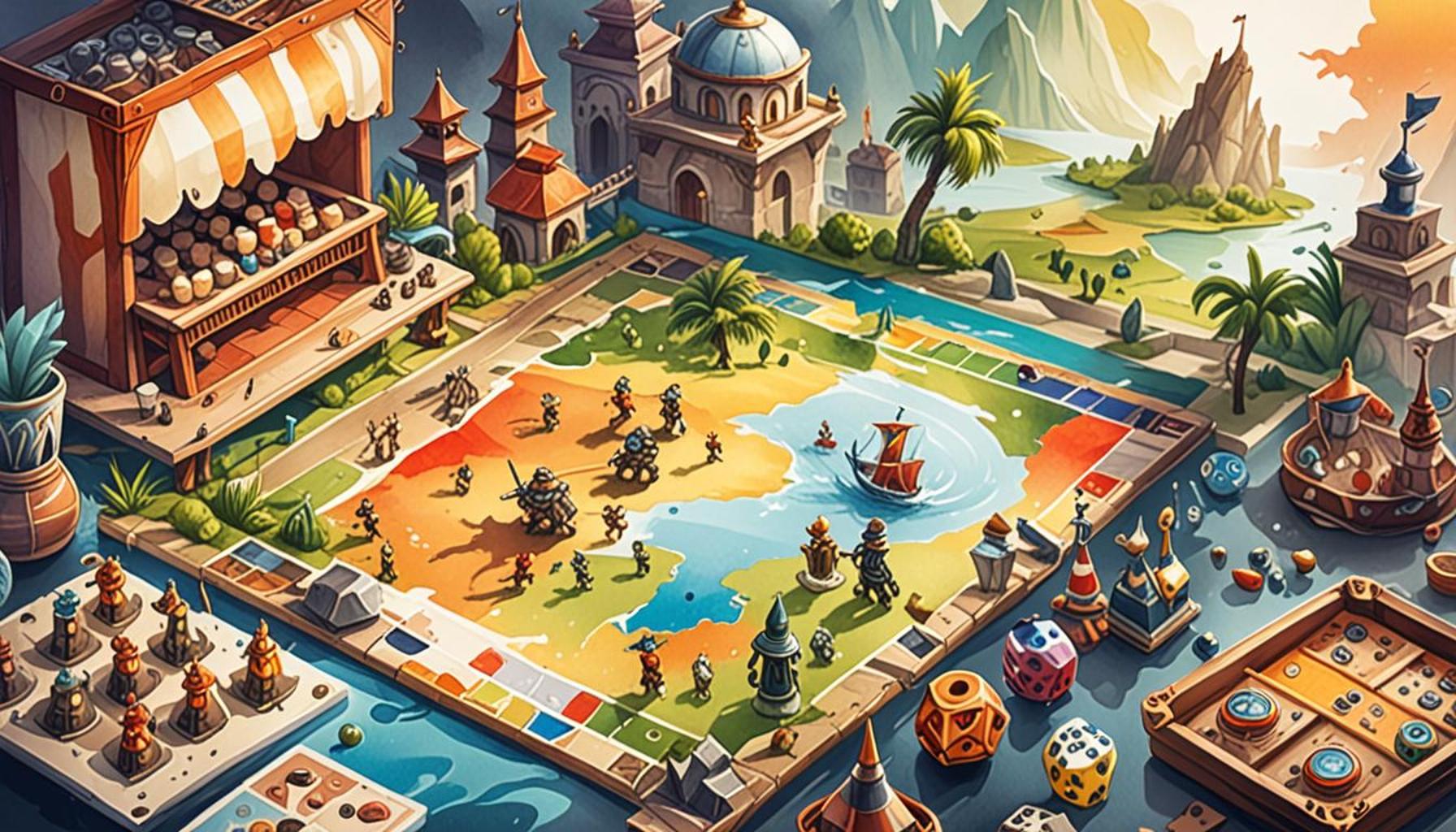
The Cultural Foundations of Strategy Games
The realm of strategy games offers players not just a contest of skills and tactics, but also a glimpse into the cultural influences that shape their conception and evolution. Each game emerges from a specific societal backdrop, reflecting its values, historical contexts, and collective narratives. Through this lens, we begin to appreciate the intricate ways in which culture influences not only the development of these games but also their reception among diverse audiences.
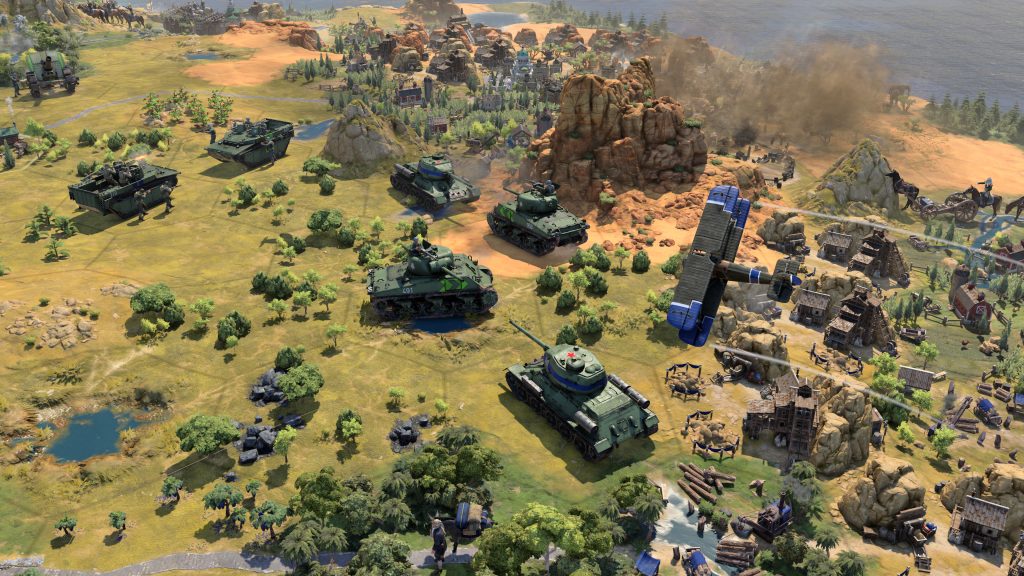
Examining the design choices and thematic elements across different cultures unveils distinct approaches that resonate with their creators’ identities. For instance, in Western cultures, strategy games often place a heavy emphasis on historical warfare, conquest, and resource management. Games such as “Civilization” exemplify this trend, allowing players to engage in diplomacy, war, and expansion mirroring the colonial and imperialistic narratives prominent in Western history. In contrast, strategy games originating from Eastern cultures, such as “Total War: Shogun 2,” often weave in mythological elements and intricate storytelling that resonate with rich traditions of folklore and history, presenting a multi-layered narrative that reflects their unique worldview.
The differences in gameplay mechanics across cultures offer another avenue for exploration. American players may gravitate towards real-time strategy games like “StarCraft II,” which emphasize quick decision-making and reflexes. In contrast, many European audiences have a deep appreciation for turn-based strategy games such as “XCOM,” where thoughtful planning and calculated moves are paramount. This variance suggests that cultural norms around patience, strategic thinking, and competitiveness can significantly impact game mechanics and player engagement.
The reception of strategy games is equally influenced by cultural perspectives, affecting game popularity and community dynamics. Titles that resonate strongly with local traditions often experience meteoric rises in popularity. For example, games that reflect local history or myths can quickly capture the hearts of players within that culture. The way players engage with each other also varies, as community discussions often take on different tones depending on cultural backgrounds and shared experiences.
Moreover, critique and analysis of gameplay can differ dramatically across regions. What one culture may see as innovative and engaging, another might view as problematic or insensitive. This divergence can lead to a rich dialogue about cultural interpretation, as players from different backgrounds come together to share their perspectives, fostering greater understanding between them.
In conclusion, delving into the nuances of culture reveals a profound interconnectedness with the world of strategy games. As players navigate these complex worlds, they do so shaped by the cultural threads that bind them, offering an ever-evolving canvas of creativity and interaction. Understanding these dynamics not only enriches the gaming experience but also sheds light on the powerful role culture plays in shaping communities and narratives within the gaming landscape.
DISCOVER: Click here to dive deeper into the history of logic puzzles
The Cultural Significance of Game Design Choices
As players delve into the immersive worlds of strategy games, they often find themselves navigating intricate narratives and complex gameplay mechanics that are profoundly influenced by cultural elements. The very design choices made by developers are often reflections of distinct cultural philosophies, shaping the way games are created and perceived by their audiences. This interconnectedness profoundly affects everything from visual aesthetics to the underlying principles governing gameplay.
The visual representation within strategy games tells a story about cultural identity. For instance, consider the varied interpretations of military units across cultures. In Western strategy games, units might often draw inspiration from historical armies that are recognizable to the average player—think of the Roman legions in “Total War: Rome” or the Napoleonic forces in “Napoleon: Total War.” These representations connect directly to a collective understanding of history, warfare narratives, and valor, highlighting an admiration for certain epochs renowned for their warfare and strategy.
On the other hand, strategy games from Eastern traditions frequently integrate mythical elements and unique architectural styles that resonate with local folklore. An example of this is “Dynasty Warriors,” which revolves around China’s rich history and legendary figures, engaging players with a sense of cultural pride and recognition. This incorporation of cultural mythos can create a rewarding experience that feels personal and historically significant, allowing players to immerse themselves in the collective journey of their society.
The values and ethics inherent in different cultures also shape the scenarios presented within strategy games. In cultures that emphasize community and collaboration, such as many Indigenous cultures, we find games that foster teamwork and shared goals, contrasting sharply with the competitive individualism often seen in Western games. Consider the cooperative aspects of “Civilization VI,” where players can either engage in diplomacy or warfare, reflecting a cultural juxtaposition between trust and conflict. This dynamic illustrates how strategy games can embody societal values that dictate how players interact with one another, reinforcing cultural beliefs and attitudes.
When examining the sound design in strategy games, cultural influences are equally apparent. The choice of music, sound effects, and voice acting can evoke specific emotions and associations tied to cultural backgrounds. For instance, the haunting melodies in “Total War: Shogun 2” are reminiscent of traditional Japanese music, enhancing the atmospheric immersion for players and reinforcing the cultural setting of the game. Such auditory cues offer a deeper layer of involvement, allowing players to feel more connected to the game world while also appreciating the cultural nuances embedded within it.
Key Cultural Influences in Strategy Game Design
- Historical Context: Influences from significant historical events and military tactics.
- Folklore Integration: Incorporating local myths and legends into the game narrative.
- Community Values: Emphasizing teamwork or individualism based on cultural norms.
- Audio-Visual Aesthetics: Utilizing culturally relevant music and visuals to augment the gaming experience.
In exploring these intricate layers of design, it becomes evident that culture not only informs game creation but also enhances player engagement, making strategy games a vibrant tapestry woven from various cultural threads. As we continue to investigate the interplay between culture and strategy games, new dimensions of understanding emerge, enriching our appreciation for both the creators and the cultures they represent.
The Cultural Layers in Strategy Game Design
The interplay between culture and strategy game design is a fascinating exploration into how various societal values and historical contexts shape gameplay elements. Strategy games serve not just as entertainment but also as a reflection of the complexities found within different cultural frameworks. One notable aspect is how storytelling influences the mechanics of these games. For instance, games developed in Eastern cultures often emphasize collective strategies over individualism, mirroring societal values. Conversely, Western-designed games frequently highlight individual heroism and personal achievements in their mechanics.Moreover, cultural symbols play a pivotal role in defining the aesthetic and functional aspects of strategy games. In many instances, the representation of armies and national icons can dramatically influence player perceptions and engagement. A strategy game set in a fictional universe embedded with cultural lore allows players to immerse themselves in diverse worldviews, encouraging them to rethink their own approach towards conflict resolution and strategy formulation.To delve deeper into how culture intersects with game design, it’s essential to examine specific titles that exhibit these nuances. Games such as “Civilization” and “Total War” series prominently showcase how historical contexts influence gameplay strategies. Players are not just managing resources or units; they are often engaged in a dialogue with history and culture itself. Upcoming titles aim to break further barriers by integrating modern cultural themes like globalization and social justice into gameplay. This trend signifies a shift toward games that are not only meant for entertainment but also for critical thinking about social constructs and historical narratives. Ultimately, exploring the cultural dimensions of strategy games offers a treasure trove of insights into how we perceive strategy, conflict, and collaboration in society. The evolving narratives in strategy game design can inspire players to draw connections to real-world cultural dialogues, further enriching their gaming experience.
| Cultural Influence | Impact on Strategy Games |
|---|---|
| Historical Contexts | Shapes gameplay mechanics and narrative depth in games. |
| Cultural Symbols | Influences player engagement and emotional connection to the game. |
Understanding these layers of cultural influence not only enhances the gaming experience but also opens doors to broader discussions around global influences and the intricacies of human connections through strategic gameplay.
DISCOVER MORE: Click here to learn about the evolution of strategy games
From Gameplay Mechanics to Narrative Depth: Cultural Influences at Play
The gameplay mechanics in strategy games are often a direct reflection of cultural attitudes towards conflict, governance, and resource management. Different cultural backgrounds can lead to distinct approaches in gameplay, profoundly influencing players’ experiences. For instance, games designed with Eastern philosophies might emphasize balance and harmony in competition, often integrating mechanics that encourage players to think towards sustainability and mutual benefit. This is evident in titles like “Anno 1800,” which requires players to manage natural resources and societal well-being, resonating with cultures that prioritize environmental stewardship and collective well-being.
In contrast, many Western strategy games—particularly those drawing from a Euro-American context—tend to adopt a more aggressive style, where objectives often revolve around domination and conquest. Games such as “StarCraft” and “Age of Empires” exemplify this attitude, emphasizing military prowess and quick, decisive action. Players often must adopt a high-stakes mindset, reflecting a cultural narrative that values competition and rapid advancement, reinforcing the notion that success comes from overcoming opposition rather than achieving cohesion and collaboration.
The importance of cultural narratives in strategy games cannot be overstated, as these stories shape player perception and connection to the game world. Narrative depth often draws upon familiar folklore, mythology, and historical events, making games not just an entertainment medium but also a platform for cultural education. The immersive storytelling in “Civilization VI,” for example, allows players to embed themselves within different civilizations, each with its unique challenges and achievements, echoing the societal values and important historical milestones of real-world cultures. This narrative facet not only invites players to learn about diverse cultures but also stimulates empathy and understanding, encouraging players to consider perspectives outside of their own.
A fascinating aspect of cultural influence in strategy games is the variability in AI behavior. Game developers often integrate cultural decision-making paradigms into artificial intelligence, affecting how NPCs (non-player characters) respond to players. In games like “Rise of Nations,” different civilizations exhibit unique strategic tendencies rooted in their historical behaviors, leading to a varied gameplay experience. This design choice enriches the game environment, fostering an atmosphere where players can gauge the significance of cultural traits in tactical decision-making. In turn, this promotes a broader comprehension of how history shapes modern interactions and behaviors.
The Interconnectedness of Culture and Game Mechanics
- Cultural Philosophy: How values of balance versus competition shape game mechanics.
- Narrative Frameworks: Utilizing folklore and history to deepen player engagement and cultural awareness.
- AI Design: Implementing cultural traits into game AI to reflect real-world behaviors and strategies.
- Education through Gameplay: Offering players insights into various cultural contexts and their strategies.
The kaleidoscopic influences of culture within the realm of strategy games reveal an intricate relationship between gameplay, narratives, and player engagement. With each game offering a unique lens through which players can explore and appreciate diverse cultures, these influences foster a richer, more nuanced understanding of both gaming and the world at large.
DIVE DEEPER: Click here to boost your cognitive skills
Conclusion: Culture as a Driving Force in Strategy Games
In examining the influence of culture on the creation and perception of strategy games, it becomes evident that cultural nuances extend far beyond the surface elements of game design. The gameplay mechanics, narrative depth, and even AI behavior in these games are intricately woven with the threads of cultural identity and values. Whether through an Eastern focus on balance and sustainability or a Western emphasis on competition and conquest, players encounter a multifaceted experience that shapes not only their strategies but also their understanding of diverse worldviews.
This intricate interplay of culture within strategy games serves a dual purpose: it entertains and educates. Games like “Civilization VI” not only immerse players in captivating narratives but also foster an awareness of historical events and cultural philosophies, prompting reflection on one’s own values in a global context. Additionally, the variability in AI responses adds a layer of realism that challenges players to adapt their strategies based on culturally-informed behaviors, thus deepening their engagement and enhancing the learning experience.
Ultimately, the creation of strategy games as a cultural artifact offers a unique lens through which we can explore significant social constructs and historical narratives. As players navigate different strategies, they gain not only entertainment but also insights into the cultural forces that have shaped civilizations throughout history. This connection emphasizes the ongoing relevance of culture in gaming and invites players to consider the broader implications of their gameplay experiences. As the global gaming landscape continues to evolve, understanding and embracing these cultural influences will play a crucial role in shaping future game development and player interaction.