The Evolution of Strategy Games How Tech Enhanced Player Experience

A Compelling Journey Through Time
Over the decades, strategy games have evolved significantly, altering the landscape of mind games and puzzles. From early board games like chess to the dazzling virtual realms of modern gaming, technology has played a pivotal role in transforming the player experience. This evolution is not merely a timeline; it’s a fascinating exploration of how advancements in software and hardware have redefined strategies, interactions, and overall enjoyment.
The Importance of Technology in Gaming
Understanding this evolution is crucial for any gaming enthusiast. Today, technology enables:
- Immersive experiences through augmented and virtual reality.
- Complex AI systems that adapt to player strategies.
- Online multiplayer modes that foster global competition.
As we delve into this rich history, be prepared to discover the Top 5 strategy games that exemplify how technology has reshaped gameplay mechanics and player engagement. Each entry will showcase unique innovations that have not only enriched the genre but also influenced future developments.
DISCOVER MORE: Click here to dive into the mechanics of strategy board games
Top 5: The Evolution of Strategy Games: How Technology Transformed the Player Experience
Strategy games have long been a staple in the gaming world, captivating players with the promise of intellectual challenge and tactical prowess. Over the years, these games have evolved significantly, moving from the physical realm of board games to the complex digital experiences we know today. This transformation has been fueled by technological advancements, which have fundamentally changed how players interact with these games. This article delves into the top five ways in which technology has revolutionized strategy gaming, offering players unprecedented experiences and redefining the essence of gameplay. From graphics enhancements to groundbreaking AI, we explore the depths of these technological transformations and their impact on player engagement.
5. Enhanced Graphics and User Interfaces
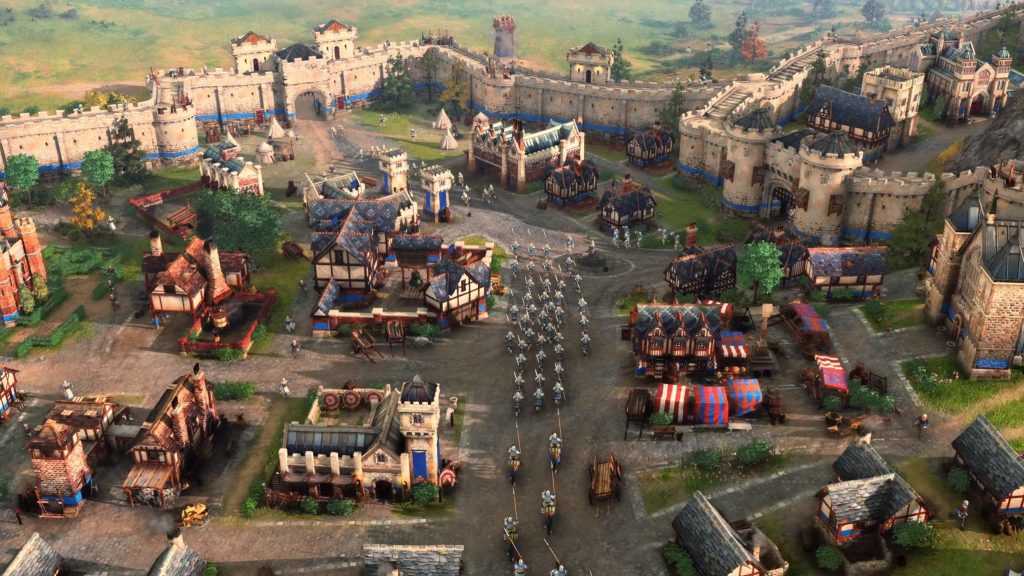
The journey of strategy games from simple visuals to high-definition environments has been a fascinating one. Early digital strategy games like “Dune II” or “Command & Conquer” featured pixelated graphics that represented units and terrains in a minimalistic fashion. While these games laid the groundwork for strategy gaming, they did not provide the immersive environments that modern gamers expect.
Thanks to powerful graphic engines like Unreal Engine and Unity, strategy games today offer **stunning visuals** that immerse players in intricately detailed worlds. High-definition graphics and rich textures contribute to a realistic depiction of environments, allowing players to lose themselves in lush forests, snowy battlefields, or sprawling metropolises. These vivid visuals are not merely about aesthetic pleasure—they enhance gameplay by providing visual cues and creating more engaging atmospheres.
Moreover, the evolution of **intuitive controls** and advanced user interfaces has made strategy games more accessible. Strategic overlays, real-time feedback systems, and user-friendly controls support players in navigating complex information efficiently. These interfaces often use colors, shapes, and animations strategically, aiding players in comprehending the game dynamics at a glance. Improved UIs have facilitated the entry of new gamers into the strategy genre, making what once seemed daunting more approachable.
- Stunning Visuals: High-definition graphics and detailed environments.
- Intuitive Controls: Enhanced user interfaces make games accessible.
- Real-Time Feedback: Instant reactions to player decisions for better engagement.
4. Online Multiplayer and Community Engagement
The dawn of the internet era opened up new horizons for strategy games through the introduction of online multiplayer capabilities. Gone are the days when players were limited to battling against predictable AI opponents or a small circle of friends. Today, gamers can engage in complex strategic battles against opponents from all corners of the globe, elevating the level of competition to an international stage.
This shift has not only increased the **global challenges** players face but has also led to the emergence of vibrant online communities. Gamers join clans or guilds, share strategies on forums, and even participate in dedicated strategy discussion groups. This environment fosters a sense of belonging and collaboration, promoting community engagement beyond the confines of the game itself.
Furthermore, the popularity of **online tournaments and eSports competitions** in the strategy genre has created new opportunities for players to showcase their skills at a professional level. Games like “Starcraft II” and “Age of Empires” have massive followings, with tournaments attracting players from around the globe to compete for prestigious titles and prizes. This competitive aspect pushes players to refine their tactics and strategize collaboratively, emphasizing teamwork as much as individual prowess.
- Global Challenges: Compete against players worldwide.
- Community Building: Form clans and share strategies with others.
- Regular Updates: Developers actively engage with players to enhance the gameplay.
3. Artificial Intelligence Advancements
Artificial intelligence has become a game-changer in the realm of strategy games, particularly impacting single-player experiences where the interaction is primarily between the player and machine-generated opponents. In the early days, AI in games was relatively straightforward, often following predictable patterns that players could easily exploit. However, with advancements in AI technology, modern games present **adaptive gameplay** where AI can adjust its strategies based on the player’s actions and decisions.
This has resulted in dynamic scenarios where players face new challenges with each playthrough. Modern AI is capable of nuanced decision-making, learning from player behavior, and even anticipating moves, thus keeping gameplay fresh and engaging. For instance, in games like “Civilization VI” or “Total War,” AI opponents behave in ways that mimic human-like strategic thinking, fostering a competitive experience that challenges players to continually hone their skills.
Developers are increasingly incorporating machine learning techniques into AI design, enabling games to **learn from player strategies** and adapt in real-time. This not only offers a consistent level of difficulty but also maintains the player’s interest and motivation to improve, making each play session feel unique and challenging.
- Adaptive Gameplay: AI adjusts strategies based on player actions.
- Dynamic Scenarios: Players face varied challenges keeping gameplay fresh.
- Consistency in Difficulty: AI ensures a challenging experience for every gamer.
2. Mobile Gaming Revolution
The introduction of smartphones and tablets has opened a new frontier for strategy games, bringing them out of the confines of desktops and consoles and into the pockets of gamers everywhere. This **mobile gaming revolution** has empowered players to engage with their favorite strategy titles anytime and anywhere, dramatically increasing the accessibility and reach of these games.
Games such as “Clash of Clans” or “Hearthstone” have successfully made the leap to mobile platforms, utilizing **intuitive touch controls** that are well-suited for short and engaging gameplay sessions. The design of these games capitalizes on the tactile nature of touchscreens, allowing for direct manipulation of units and resources, which enhances user engagement.
This mobile accessibility has expanded the strategy game audience significantly, attracting **casual gamers and new demographics** who might not have been exposed to traditional strategy games. The mobile medium encourages experimentation and adaptive strategy development, providing a sandbox for players to refine their techniques on-the-go. The ever-expanding mobile gaming ecosystem promises to continue influencing strategy game design and innovation.
- Accessibility: Play whenever and wherever you want.
- Intuitive Touch Controls: Designed specifically for mobile interactions.
- Wider Audience: Reached new players who may never have tried traditional strategy games.
1. Cloud Gaming and Cross-Platform Play
Leading the charge in the technological transformation of strategy games are **cloud gaming** and **cross-platform play**, which are setting new standards for accessibility and connectivity. Cloud gaming harnesses powerful remote servers to deliver games to players without the need for high-end hardware, thus eliminating traditional barriers to entry. Players with basic devices can now access resource-intensive strategy games, allowing for a broader and more inclusive gaming community.
This technology empowers players to seamlessly transition between different devices, such as playing on a PC at home and continuing on a smartphone while commuting. Additionally, cross-platform capabilities enable players using different systems to compete and collaborate in the same game environments. Titles like “Fortnite” and “Minecraft” have led the way in demonstrating how cross-platform play can enrich gameplay experiences, allowing friends to play together irrespective of their preferred gaming hardware.
Cloud gaming platforms like Google Stadia, NVIDIA GeForce NOW, and Xbox Cloud Gaming have started to incorporate these features into strategy games, enabling players to explore expansive worlds and complex strategic scenarios with ease. By removing the need for high-end local hardware, cloud and cross-platform gaming are democratizing access to strategy games, ensuring their evolution continues to capture the imagination of gamers worldwide.
- Hardware Accessibility: Play high-end games on basic devices via cloud servers.
- Seamless Transition: Switch between devices without losing progress.
- Cross-Platform Play: Engage with friends across different gaming systems.
The evolution of strategy games is a testament to how technology can transform entertainment experiences, pushing the boundaries of what’s possible in gaming. Through enhanced visuals, community engagement, intelligent AI, mobile accessibility, and cutting-edge cloud and cross-platform capabilities, strategy games continue to captivate players with thrilling challenges and strategic depths yet to be fully explored. As technology advances, the potential for innovation in strategy games is virtually limitless, promising an exciting future for strategy enthusiasts everywhere.
| Category | Details |
|---|---|
| Artificial Intelligence (AI) in Strategy Games | The introduction of machine learning algorithms allows NPCs to adapt and learn from player behavior, creating a more immersive and challenging gameplay experience. |
| Online Multiplayer Dynamics | The rise of online platforms has revolutionized strategy games, enabling real-time interactions among players worldwide, fostering competitive play, and community building. |
| Enhanced Graphics and Realism | Advancements in graphics technology provide players with stunning visuals, making the environments and units more realistic and engaging, ultimately enhancing strategic decision-making. |
| Mobile Gaming Accessibility | With the evolution of mobile technology, strategy games are now accessible on handheld devices, breaking geographic barriers and opening gameplay to a broader audience. |
The integration of artificial intelligence (AI) into strategy games has changed the landscape significantly. This technology allows non-playable characters (NPCs) to analyze and respond to players’ strategies, making gameplay more dynamic. Gone are the days of predictable enemies; players now face opponents that adapt to their tactics, forcing them to rethink their strategies continually.Furthermore, the rise of online multiplayer dynamics has fostered a new community among strategy gamers. Players can now compete and collaborate in real-time, forging alliances and rivalries that enhance the gaming experience. Platforms like Steam and Discord provide spaces for players to connect, share strategies, and create lasting friendships that extend beyond the gaming session, enriching the social aspect of gaming.In addition to AI and community engagement, the advancements in graphics technology have taken the visual experience to new heights. High-definition graphics contribute to creating realistic environments and intricately detailed units, drawing players into the virtual world. The ability to visually comprehend the battlefield can significantly impact strategic decisions, making the gameplay experience more compelling and engaging.Lastly, as mobile gaming has surged in popularity, the accessibility of strategy games has transformed. With powerful smartphones, players can engage in strategic warfare from virtually anywhere. This shift allows for more flexible play schedules and a broader audience, as gamers are no longer confined to their home consoles or PCs. The mobile revolution ensures that strategy games remain relevant and adapt to modern lifestyles, further perpetuating their evolution.The interplay of these technological advancements continues to shape the future of strategy gaming, providing players with unprecedented levels of engagement and interaction. Each evolution brings new challenges and opportunities for strategists around the globe, turning each gaming session into an exciting experience filled with possibility.
DISCOVER MORE: Click here to dive deeper
Frequently Asked Questions about the Evolution of Strategy Games
How has technology influenced the development of strategy games over the years?
The influence of technology on strategy games has been nothing short of transformative. Initially, physical board games dominated the genre, but with the advent of powerful computers and the internet, digital strategy games have taken the spotlight. Key developments include the enhancement of AI capabilities, enabling more complex and challenging gameplay, and the incorporation of real-time elements which have added a dynamic aspect to strategic planning. The rise of cloud gaming and multiplayer platforms has also introduced a social dimension, allowing players from around the world to connect and compete.
What role does artificial intelligence play in modern strategy games?
Artificial intelligence has become a cornerstone of modern strategy games by simulating human-like decision-making and offering a more authentic and engaging gaming experience. The most significant contribution of AI is seen in the way it manages adaptive and unpredictable opponents, creating scenarios that test the strategic acumen of the player. Additionally, AI underpins procedural generation, generating diverse and unique game worlds and scenarios for each playthrough, thus enhancing replayability.
What are some of the technological innovations in strategy games that have changed player experiences?
Technological innovations have brought several exciting changes to player experiences in strategy games. Virtual reality (VR) and augmented reality (AR) offer immersive environments where players can interact with the game world in unprecedented ways. Moreover, the use of big data analytics helps developers tailor game elements to individual play styles, making experiences more personalized. Enhanced graphics processing technologies support more detailed visuals and expansive in-game environments, significantly impacting the aesthetic experience and immersion.
How has multiplayer functionality evolved in strategy games?
Multiplayer functionality in strategy games has evolved from simple local network play to complex online environments that host thousands of players simultaneously. This progression is largely due to improvements in internet technology and infrastructure. Today’s multiplayer games feature ranked matchmaking, allowing players to compete against others of similar skill, and often include cross-platform play, enabling users on different devices to play together. The inclusion of frequent in-game events and communities fosters player engagement and a sense of belonging.
DISCOVER MORE: Click here to enhance your problem-solving skills
Conclusion
The evolution of strategy games has been nothing short of revolutionary, as technology has indelibly reshaped how players engage with them. From the rudimentary graphics and basic gameplay mechanics of early strategy games to the intricately detailed and highly immersive virtual worlds of today, the journey has been remarkable. This transformation has primarily been fueled by advances in computing power, sophisticated Artificial Intelligence, and the growth of online multiplayer platforms.
Key Takeaways
- Advancements in Graphics: The leap from 2D to 3D graphics has brought a new level of depth and realism to strategy games, allowing players to lose themselves in visually stunning environments.
- Artificial Intelligence: The sophistication of AI opponents has greatly enhanced gameplay, as it provides a more challenging and unpredictable experience, pushing players to think tactically and strategically.
- Online Connectivity: The ability to engage in real-time multiplayer alliances and battles across the globe has transformed strategy games from solitary experiences to socially dynamic ecosystems.
- Dynamic Storytelling: The infusion of complex narratives into gameplay has allowed players to become part of epic sagas, enriching their overall experience.
- Accessibility and Diversity: The broadening audience for strategy games has encouraged inclusivity and diversity in game design, offering something for everyone.
In conclusion, the evolution of strategy games underscores the symbiotic relationship between technology and creativity in gaming. As both continue to advance, the potential for strategy games to challenge, engage, and entertain will only expand. This continuous innovation not only highlights the importance of strategy games in the realm of mind games and puzzles but also invites players and developers alike to explore new frontiers in gaming experiences. As such, strategy games stand as a testament to technology’s profound impact on gaming, encouraging us to anticipate what the future holds.