
The Ethics in Strategy Games: Decision Making and Moral Consequences
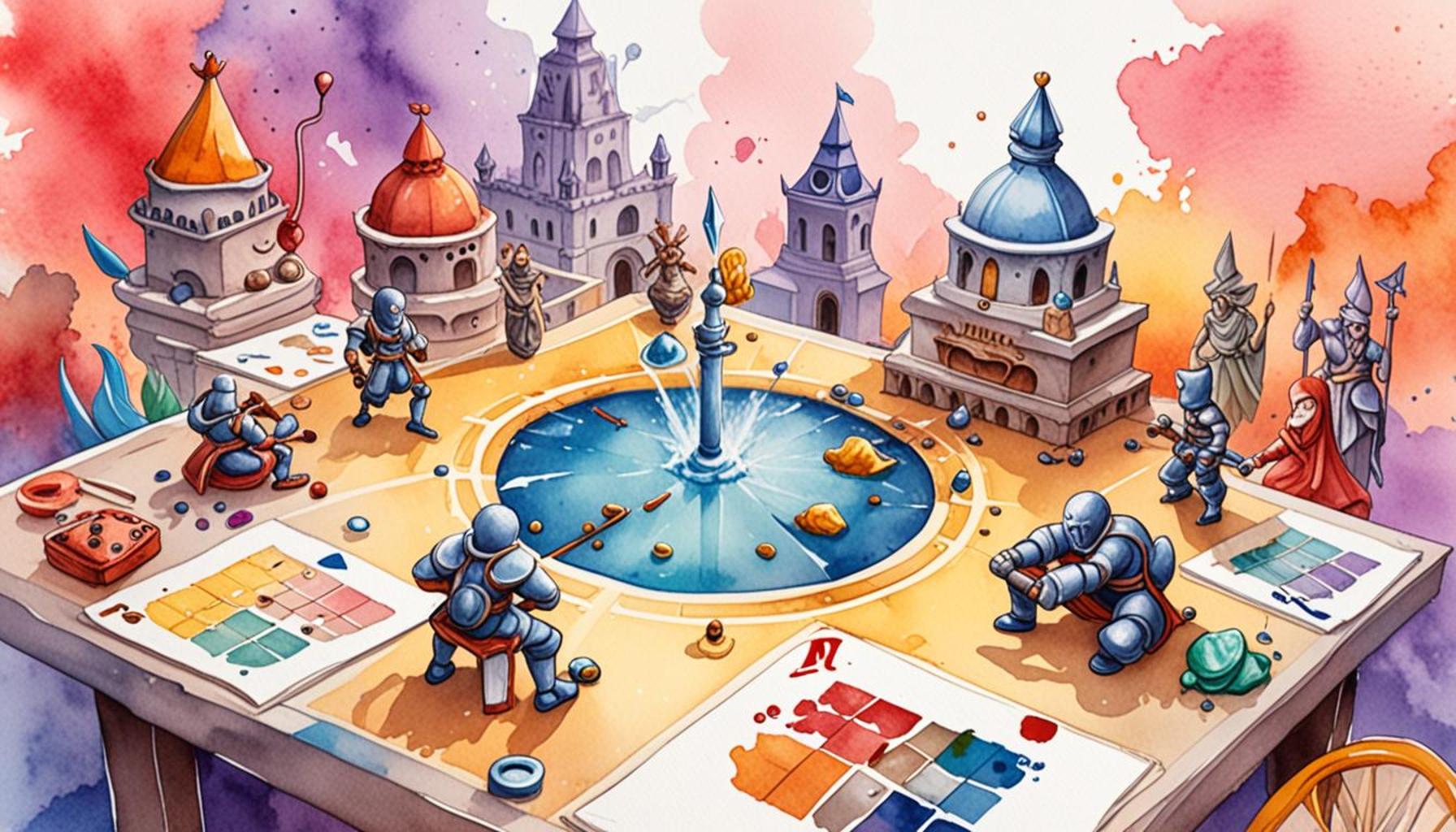
Ethics in Decision-Making: The Strategic Realm of Games
In the captivating world of strategy games, players are frequently confronted with choices that challenge their moral compass. These decision-making processes can lead to profound moral consequences, impacting not only gameplay but also players’ ethical beliefs. The choices made within these virtual landscapes often serve as reflections of real-world dilemmas, prompting players to examine their values in depth.
Beyond mere entertainment, strategy games engage players in ethical debates and moral reasoning as they navigate through complex scenarios. Here are some key elements that highlight the ethical dimensions within these games:
- Consequentialism: In many strategy games, such as *Civilization*, players must evaluate the outcomes of their actions—whether to wage war for resource acquisition or prioritize diplomacy for peace. The philosophy behind consequentialism encourages players to assess whether the end justifies the means, leading to a nuanced understanding of right and wrong. For example, players may decide to sacrifice one faction to secure a more beneficial alliance with another, igniting questions about the moral ramifications of their decisions.
- Autonomy: Players in strategy games are often granted the freedom to pursue their own agendas, which invites them to consider how their decisions affect the game world. In titles like *The Witcher 3*, choices are rarely clear-cut, forcing players to confront the moral weight of their decisions—from choosing whether to save lives or fulfill personal ambitions. This autonomy challenges players to reflect on the broader implications of their choices, mirroring real-life scenarios where personal interests may conflict with societal responsibilities.
- Justice: The pursuit of fairness often takes center stage in strategy narratives. Gamers may find themselves navigating a web of alliances and betrayals, akin to political maneuvering in the real world. For instance, players might have to decide whether to betray a trusted ally for short-term gain or to uphold a commitment for the sake of long-term trust and stability. Such dilemmas can illuminate ethical principles regarding justice, equality, and loyalty.
As players delve deeper into these narratives, they face interconnected situations that compel them to grapple with difficult ethical questions. Strategy games like *Total War* or *StarCraft* force gamers to consider tactical decisions that initially seem to have clear justifications but reveal ethical complexities upon closer inspection. Players may ask themselves, “What impact does my choice have on others?” or “Am I willing to compromise my values for success?”
This exploration into ethics within strategy games reveals a microcosm of our society. As players negotiate moral landscapes, they are not just playing a game; they are engaging in a form of ethical introspection that resonates beyond screens and controllers. Through these virtual experiences, we discover insights into the ethical frameworks shaping our lives, encouraging players to reflect on their decisions both in-game and in reality. By understanding these ethical dimensions, players can better appreciate the impact of their choices, leading to more informed and conscientious behaviors in the real world.
DISCOVER MORE: Click here to learn about the journey of strategy games

Exploring Ethical Frameworks in Game Design
As players immerse themselves in the intricate plots and strategic intricacies of their favorite games, they often overlook the carefully crafted ethical frameworks that underpin these digital realms. Understanding how game developers integrate ethical choice mechanics not only enhances the gaming experience but also enables players to engage in critical thinking about morality and decision-making. This exploration of ethics in strategy games can be broken down into several key aspects that reveal the underlying implications of decision-making.
- Moral Dilemmas: Strategy games are rife with scenarios that force players to confront challenging moral dilemmas. In titles like *XCOM* or *Frostpunk*, players must make choices that prioritize either individual survival or collective well-being. These moral quandaries resonate with real-life situations where personal decisions impact broader communities, highlighting the complexity of balancing personal ethics against social responsibilities.
- Character Development: Many strategy games incorporate character arcs that evolve in response to players’ decisions. Games such as *Mass Effect* showcase how choices can alter character relationships and outcomes, encouraging players to reflect on the consequences of their actions. Here, the player is not just a strategist; they become a storyteller, crafting narratives that often mirror their ethical beliefs, further interweaving moral choice with gameplay.
- Systems of Governance: Strategy games often simulate political systems that require players to engage with governance principles. In games like *Tropico*, players must manage the welfare of citizens while making choices that could lead to dictatorial or democratic outcomes. The repercussions of these decisions can reveal insights about political ethics, exploring themes of power, corruption, and the social contract between rulers and the ruled.
These elements expose players to the ethical undercurrents that define their in-game experiences. As players navigate through scenarios that feel increasingly relevant to contemporary social issues—such as resource scarcity, environmental degradation, and human rights— the decisions they make can shape their understanding of morality beyond the screen. This engagement with ethical mechanisms invites players to not just act as passive consumers of entertainment, but as active participants in an ethical discourse.
Furthermore, the line between right and wrong starts to blur as players evolve with their choices. The psychological effects of strategic decision-making manifest as players are prompted to evaluate their own beliefs. For instance, in multiplayer strategy environments where alliances can shift dramatically, players must consider the impact of betrayal or inequity on their relationships. This dynamic serves as a microcosm of societal interactions, allowing players to reflect on their ethical stance in an interactive and immersive way.
As we look deeper into the ethics of strategy games, it becomes evident that these virtual experiences can shape players’ moral compasses, providing a platform for ethical exploration. By blending entertainment with moral inquiry, strategy games foster a unique environment where players are not only entertained but also challenged to consider the power and implications of their decisions in both the game world and reality.
| Advantages | Implications in Gaming |
|---|---|
| Enhanced Moral Engagement | Players are compelled to confront ethical dilemmas, fostering critical thinking about moral choices. |
| Real-World Parallels | Strategy games reflect complex real-world scenarios, allowing players to explore and evaluate the impact of their decisions. |
| Community Discussions | These games often spark dialogues within gaming communities about ethics, promoting diverse viewpoints and resolutions. |
| Emotional Investment | Players experience emotional rewards or loss based on their decisions, mirroring the weight of real-life moral choices. |
The ethical component present in strategy games not only gives life to the gameplay but also serves as a compelling platform for players to navigate through complex choices that have profound implications. By analyzing the multifaceted aspects of decision-making within these games, one can gain insightful revelations about human behavior, societal structures, and moral philosophy. Engaging effectively with these scenarios challenges participants to consider the broader consequences of their actions, both in-game and beyond. With the power of narrative driving the ethics in strategy games, the consequences of decisions often lead to unexpected outcomes that reflect the unpredictable nature of real-world choices. As players delve deeper into the thematic layers of their virtual strategies, they become more equipped to understand the weighty issues that govern their real-life interactions. This intersection of gaming, ethics, and decision-making encourages not only personal growth but also enriched dialogues regarding moral frameworks. Exploring these dimensions could ultimately unveil fresh perspectives on ethical decision-making within our own lives.
DIVE DEEPER: Click here to uncover the secrets of brain teasers
The Impact of Player Choices on In-Game Societies
As strategy games unfold scenarios filled with ethical choices, players are not merely effecting change on individual scales but are actively shaping entire in-game societies. The ramifications of decisions extend beyond personal gain, echoing real-world themes of governance, societal structure, and communal responsibility. This facet of gameplay prompts a deeper inquiry into how player choices—whether rooted in altruism or self-interest—serve as reflections of broader moral philosophies.
- Resource Management and Consequences: One compelling aspect of strategy games is resource allocation. Games like *Civilization* challenge players to manage resources in ways that can uplift or devastate entire civilizations. Decisions related to city development, trade, and warfare force players to consider the impact on their population’s welfare. The ethical implications become glaringly evident when scarcity emerges; for instance, prioritizing military expenditure over public health reveals the potential for societal decay. Players must grapple with whether they will seek absolute power or strive for sustainable development, creating a parallel to contemporary global challenges, such as climate change and social equity.
- The Role of Ethics in Game Endings: Many strategy games offer multiple endings contingent upon the ethical choices made throughout the gameplay. Titles like *Bioshock Infinite* challenge players to reconsider their motives and morality, culminating in outcomes that vary widely based on player decisions. This design choice emphasizes the importance of ethical reflection, as players come to realize that their journey is not just about achieving victory but also about the principles they uphold along the way. Engaging with these narratives pushes players to question their definitions of success and morality, prompting introspection that extends beyond the game interface.
- Social Dynamics in Multiplayer Environments: The interaction between players in multiplayer strategy games showcases a rich tapestry of ethical considerations. Alliances formed and broken create a dynamic social environment where trust, betrayal, and cooperation are constantly tested. In games like *StarCraft* or *Dota 2*, a player’s decisions impact not just their own gameplay but also their allies’, fostering a shared ethical landscape. When decisions lead to catastrophic outcomes for teammates, players are left to confront not only their tactical acumen but also their personal ethics regarding competition and teamwork.
This intricate interplay between decision-making and moral consequences does not simply exist within the confines of the game; instead, it fosters a dialogue about ethics in everyday life. By immersing players in dilemmas requiring genuine thought and reflection, strategy games cultivate an understanding of ethical implications and personal responsibility. Players are increasingly finding that navigating moral complexity becomes a fundamental aspect of their gaming experience, just as it is in navigating real-world societal challenges.
The narrative weight of decisions made in strategy games translates into a meaningful engagement with ethics as players explore what it means to be responsible decision-makers. As the lines between game logic and ethical reasoning continue to blur, players are not only learning the mechanics of strategy but also evaluating their values and beliefs in the face of adversity. Such realizations prompt a critical assessment of how their in-game experiences might shape their perspectives on justice, fairness, and collective well-being in the world outside the virtual confines.
EXPLORE MORE: Click here to boost your brain with word games
Conclusion: The Enduring Lessons of Ethics in Strategy Games
As we delve into the complex landscape of strategy games, it becomes clear that the ethical dilemmas presented in these digital worlds offer more than just entertainment; they provide a profound opportunity for players to explore the intricacies of decision making and moral consequences. The choices players make are echoed not only through their immediate gameplay but also in the transformative impact on virtual societies, resource management, and interpersonal relationships.
In navigating these intricate scenarios—whether focusing on resource allocation in games like *Civilization*, contemplating the consequences of ethical choices in narrative-driven titles such as *Bioshock Infinite*, or engaging in the social dynamics of multiplayer environments—players are faced with significant questions about responsibility, governance, and community welfare. These interactions compel gamers to reflect on their values and consider how similar dilemmas manifest in the real world, underlining a shared human experience regardless of context.
Moreover, the fluidity afforded by multiple endings based on ethical decisions emphasizes the subjectivity of morality and success. Strategy games skillfully blur the lines between gameplay enjoyment and ethical education, encouraging players to think critically about their motivations and the potential far-reaching consequences of their actions.
Ultimately, as players internalize the ethical implications of their decisions, they emerge not just as competent strategists but as informed individuals poised to tackle real-world moral complexities. The synthesis of game mechanics and ethical reasoning signals a growing recognition of the role that interactive storytelling can play in shaping societal values and personal ideologies, fostering a reflective dialogue that endures long after the game has ended.