Strategy Games as Empowerment Tools: Building Communities Through Healthy Competition

Understanding the Rise of Strategy Games
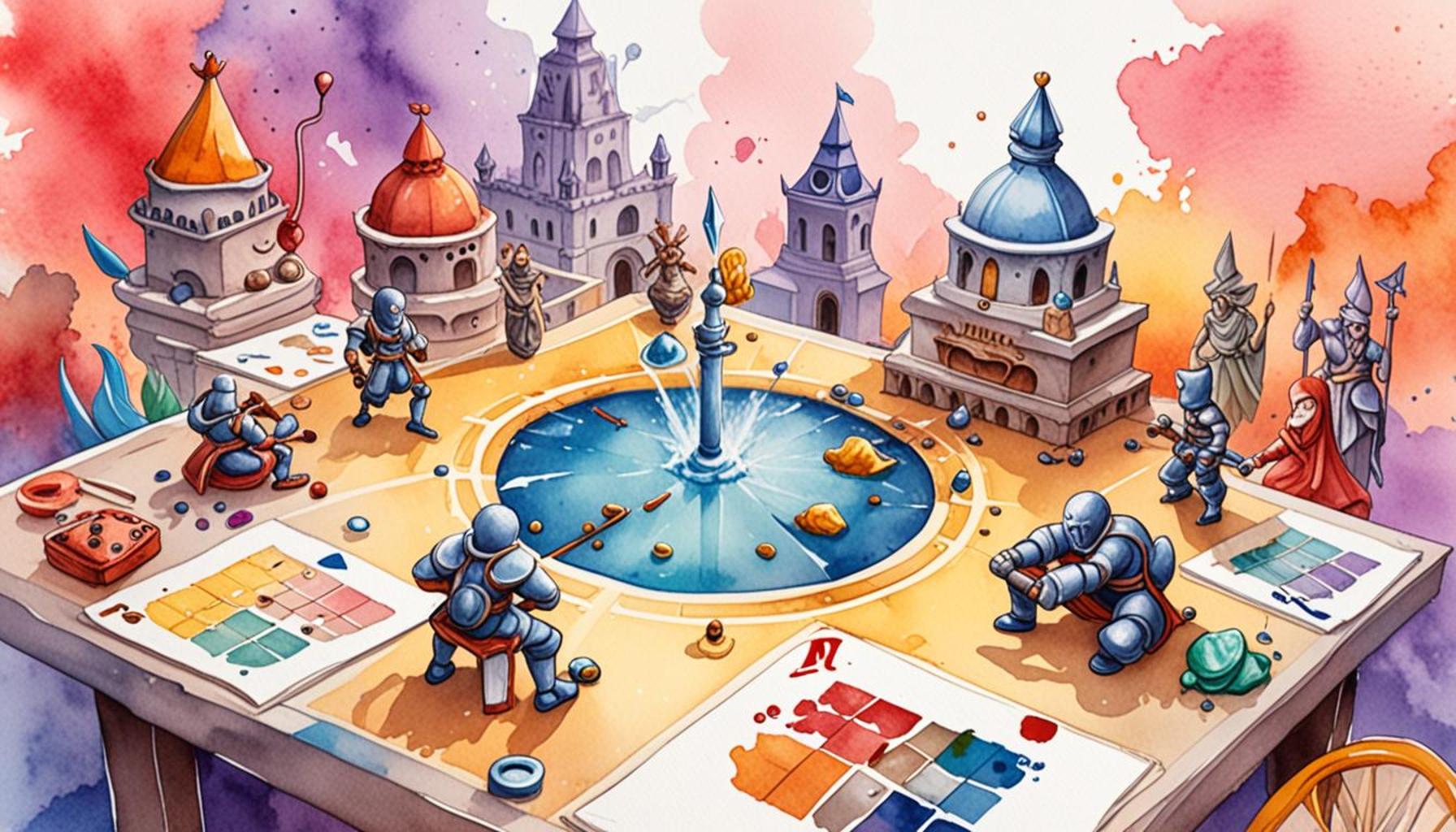
In an era where digital connections dominate, strategy games have emerged as powerful tools for community building and personal empowerment. These games, which require critical thinking and teamwork, are fostering healthy competition among players across the globe. The surge in their popularity can be attributed to a variety of factors that resonate deeply with today’s gaming community.
The Cognitive Benefits of Strategy Games
One of the most compelling reasons behind the popularity of strategy games is their ability to enhance cognitive development. Players often engage in intricate problem-solving where they must analyze situations quickly and formulate effective strategies. For instance, games such as “Starcraft” or “Civilization” require players to think several moves ahead, weighing risks versus rewards. This mental exercise improves both strategic planning and critical thinking skills, which can be beneficial beyond the gaming environment.
Fostering Social Connections
In addition to mental stimulation, strategy games promote social interaction, creating vibrant communities. Platforms like Discord and Twitch enable players to connect, share strategies, and form friendships, regardless of geographic location. Multiplayer games, such as “League of Legends” or “Dungeons & Dragons,” facilitate teamwork and communication. Players must collaborate, leading to strong bonds forged through shared experiences. Esports tournaments, such as the Overwatch League, take this a step further by showcasing competitive teamwork on a global stage, allowing fans and participants alike to cheer for their favorite teams.
Breaking Down Barriers
The inclusivity of strategy games is another important aspect. They transcend geographical boundaries, inviting diverse participants to engage in a single platform. This global connectivity allows players from different backgrounds and cultures to share their unique perspectives and experiences, enhancing the collective gaming experience. Game developers are increasingly catering to a broad audience, ensuring that various representation is included in both gameplay and character design.
The Community Experience in the U.S.
In the United States, the embrace of strategy games has led to an increase in community-driven events, such as local tournaments and online leagues. Participants experience numerous advantages, including:

- Team Building: Players learn the value of teamwork in achieving common goals, often forming lasting friendships that extend beyond the game.
- Resilience: Competitive challenges teach players perseverance; they learn to cope with setbacks and approach problems with a mindset of growth.
- Shared Achievements: Collective victories foster a profound sense of belonging and accomplishment, as players celebrate their teamwork and successes together.
As we explore the impact of strategy games, it’s essential to recognize their potential not just for competition, but also for fostering camaraderie. These games are actively reshaping communities, empowering individuals to forge meaningful connections. Whether as a casual player or a competitive gamer, engaging in strategy games offers a unique blend of mental challenge and social enrichment that speaks to the heart of modern entertainment.
DISCOVER MORE: Click here to enhance your cognitive skills
The Power of Strategy Games in Community Building
Amid the digital landscape where interactions are often fleeting, strategy games have emerged as more than just a source of entertainment—they are becoming integral to building robust communities. The unique combination of strategic intricacies and social engagement creates a rich environment where players not only compete but also cultivate meaningful relationships and support systems.
Cultivating a Sense of Belonging
At the heart of community-driven strategy games lies a profound sense of belonging. Players gather around shared interests, whether they are vying for dominance in a challenging campaign or teaming up to outsmart opponents in a tactical duel. Games like “Star Wars: Armada” or “Risk” don’t just encourage competition; they invite collaboration and create a camaraderie that encourages players to feel invested in their team and the collective journey. This shared pursuit fosters lasting friendships that extend beyond the confines of the game.
Encouraging Healthy Competition
Furthermore, strategy games promote a healthy form of competition that is deeply rooted in respect and sportsmanship. Unlike many other gaming genres, strategy games thrive on the concept of fair play. Players are encouraged to respect opponents and learn from one another. This mindset can lead to a shift from cutthroat tactics to forming alliances, engaging in tactical discussions, and sharing resources, creating an enriching player experience.
Empowerment Through Learning
The learning opportunities presented in strategy games are staggering. Participants develop critical skills essential for personal and professional growth, including:
- Decision Making: Players must make quick and effective choices, weighing potential outcomes that impact their success.
- Leadership: Those who take charge of their teams develop leadership abilities, learning how to motivate and guide their peers.
- Adaptability: As game dynamics shift, players learn to adapt their tactics, cultivating resilience and flexibility in the face of uncertainty.
These skills not only enhance the gaming experience but also transfer effectively into real-world situations, benefitting players in both personal life and professional endeavors. The structured setting within these games provides a safe space for trial and error, allowing players to learn from mistakes and emerge more capable and confident.
Building Bridges Across Differences
Strategy games also serve as invaluable tools for bridging social gaps. Players engage with diverse individuals from various backgrounds, creating opportunities for cultural exchange and understanding. Games such as “Settlers of Catan” or “Warhammer” are perfect examples, showcasing strategies that reflect different cultural approaches and philosophies. This environment encourages participants to discuss differing viewpoints and come together with a common goal, effectively fostering a spirit of unity amidst diversity.
In examining the power of strategy games, it becomes clear that they transcend mere entertainment. They act as catalysts for personal growth and community development, equipping players with essential life skills while simultaneously promoting healthy competition and genuine connections. As more people are drawn into this world, the potential for communities built on collaboration and mutual respect continues to flourish.
| Advantage | Impact |
|---|---|
| Enhanced Teamwork | Strategy games necessitate collaboration, which fosters strong relationships and enhances social skills among players. |
| Cognitive Skill Development | Through complex problem-solving scenarios, participants strengthen critical thinking and decision-making skills that are applicable in real-world situations. |
| Community Building | Competitive play generates a sense of belonging, as players unite towards common goals, deepening community ties. |
| Confidence Building | Winning strategies and overcoming challenges empower players, enhancing their self-esteem and encouraging continuous engagement. |
The exploration of strategy games showcases their role as more than mere entertainment venues; they emerge as vital tools for empowerment and community cohesion. As participants engage through intricate plots and competitive environments, they hone skills that transcend the gaming realm, leading to personal and collective growth. The intricate interactions in these games pave pathways for learning, allowing individuals to engage, bond, and thrive together. These psychological and social benefits unveil the potential of strategy games as a bridge toward a more communal, engaged society. Delving deeper into the dynamics reflects various layers of interaction, urging us to explore how these games fuse competitive spirits with community development.
DIVE DEEPER: Click here to enhance your strategic mindset
The Social Impact of Strategy Games
As the appeal of strategy games continues to grow, their role in shaping social dynamics cannot be overlooked. They foster not only individual skill development but also encourage a collective identity among players. This phenomenon resonates in numerous gaming communities across the United States, where local game shops and online platforms host regular tournaments, workshops, and gatherings, creating an ecosystem where social interactions flourish.
Creating Safe Spaces for Expression
Strategy games often provide a sanctuary where players can express themselves freely. In environments where competition reigns, intellectual prowess and strategic thinking take precedence over superficial qualifiers. For many players, especially those from marginalized backgrounds, this creates an inclusive atmosphere where they find validation and respect. Whether it is through the intricate planning to conquer territories in “Civilization VI” or strategizing troop movements in “Warhammer,” the games invite individuals to showcase their creativity and strategic acumen, rooting their confidence in their capabilities.
Encouraging Community Engagement
Beyond the gaming screen, many strategy games serve as a catalyst for community engagement. Local gaming groups often mobilize to organize charity events or fundraisers, using competitions to raise money and awareness for various causes. For instance, events around games like “Dungeons & Dragons” have been known to cultivate friendships that extend into activism, as players unite for community tasks, whether it be cleaning up parks or supporting local shelters. Such initiatives amplify the sense of responsibility within gaming circles, ensuring that players participate in opportunities that benefit their immediate environments.
Driving Economic Growth
The burgeoning market for strategy games has also been a boon for local economies. Game stores and cafes not only serve as retail spaces, but they become community hubs where players congregate to share experiences. For example, the rise of board game cafes in cities like Portland and Austin has created jobs and fostered a sense of community through organized game nights. These establishments often cultivate loyal customer bases, empowering both local economies and the communities that surround them.
Supporting Mental Health and Well-Being
Additionally, the impact of strategy games on mental health is gaining recognition. The structured challenge presented in these games can provide relief from the pressures of everyday life, allowing players to engage their minds in a focused, productive way. Participation in strategy gaming can foster a sense of achievement and improve cognitive function, serving as an enjoyable antidote to stress. Community-based psychological initiatives have incorporated gaming as a form of therapy, highlighting its role in enabling individuals to share experiences, build relationships, and combat loneliness through shared passions.
In essence, strategy games do much more than entertain; they fulfill critical roles as tools for community empowerment. By creating safe spaces for expression, promoting local engagement, driving economic growth, and supporting mental well-being, these games embody a multi-faceted approach to building healthy communities through competition. The deeper the roots of these bonds grow, the more vibrant and resilient the communities formed around them become. The intersection of community, strategy, and empowerment is paving the way for innovative interactions that reshape our perceptions of competition and camaraderie.
EXPLORE MORE: Click here to delve into the fascinating history of logical puzzles
Conclusion
In revisiting the profound impact of strategy games as empowerment tools, it becomes evident that they are more than mere entertainment. They act as catalysts for community bonding, social engagement, and personal growth. By nurturing inclusive spaces that allow players to express their strategies and creativity, these games not only catalyze friendships but also forge lasting alliances among diverse participants. As seen through various initiatives, competitions rooted in healthy rivalry spur meaningful local community engagement, directing collective efforts towards significant causes and mutual support.
Moreover, the economic implications of this burgeoning scene cannot be underestimated. By transforming local game shops and cafes into community hubs, these environments drive local economic growth while fostering connections among residents. The rise of these spaces signifies a movement that prioritizes community over individual competition, where players can thrive both professionally and personally.
Emphasizing mental health benefits, strategy games provide a structured outlet for stress relief, reinforcing their role as a valuable component of modern well-being. As more psychological initiatives embrace gaming as therapy, we witness a shift in how gaming is perceived—changing from a solitary pursuit to a shared journey toward collective health and resilience.
In essence, the intersection of strategy gaming, community development, and personal empowerment creates a dynamic landscape that reshapes our understanding of competition. This fusion opens up avenues for individuals to not only become better players but also active contributors to vibrant, thriving communities. As we embrace this transformative power of strategy games, we find ourselves inviting deeper plays of life that extend far beyond the game board.