
Strategy Games and Leadership Development: Management and Coordination Skills

The Transformative Power of Engaging in Strategy Games
In today’s fast-paced world, developing management and coordination skills is crucial for effective leadership. An intriguing avenue for enhancing these abilities lies in strategy games. These games not only entertain but also serve as powerful tools for personal growth and skill-building.
Strategy games require players to engage their critical thinking and foresight, often leading to a range of benefits that can be very relevant in real-world settings. For instance, in many strategy games, players must adapt to evolving challenges and make decisions that can significantly impact their success. This necessity mirrors the pressures faced by leaders in various fields, making the skills honed during gameplay all the more applicable.
- Enhanced decision-making: Players are often faced with multiple options to choose from and must weigh their potential outcomes quickly. This ability to make fast, informed decisions is invaluable in business negotiations, project management, and everyday problem-solving.
- Resource management: Many strategy games, such as Civilization or Age of Empires, simulate real-world scenarios where managing limited resources is vital. Players learn to allocate resources like time, personnel, and capital efficiently, skills directly transferable to business operations.
- Team coordination: Multiplayer formats, such as in League of Legends or Overwatch, emphasize the need for teamwork and clear communication. Successfully coordinating efforts to achieve common goals reflects the collaborative environment many professionals work within today.
Consider the classic game of Chess, where players must plan several moves ahead, weighing potential risks against rewards—an exercise directly related to strategic planning in leadership roles. Alternatively, games like StarCraft challenge players with fast-paced decision-making and resource allocation, mimicking the dynamics of high-stakes business environments where agility can lead to victory or defeat.
As you explore the profound connection between strategy games and leadership development, you may find yourself questioning—can playtime translate into real-world success? Delving deeper into the intricate mechanics of these games reveals how engaging in them can cultivate essential skills for effective management. Through critical evaluation, strategic thinking, and cooperation, players often exit the gaming world equipped with a sharpened ability to tackle leadership challenges. So, whether you are a seasoned player or a curious newcomer, immersing yourself in strategy games might just unlock a new perspective on team dynamics and strategic thinking.
DIVE DEEPER: Click here to learn more about the evolution of strategy games
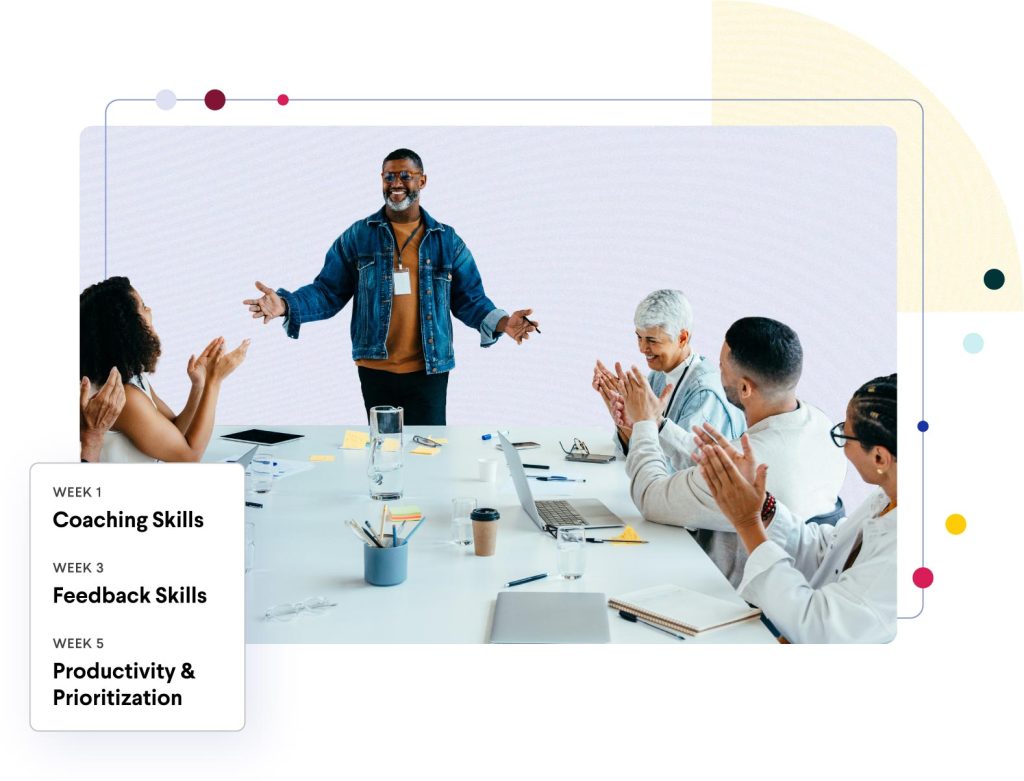
Building Skills Through Engaging Gameplay
When we think of strategy games, it’s easy to dismiss them as mere entertainment. However, these games can act as interactive learning platforms that cultivate vital leadership skills, especially in management and coordination. By immersing players in environments that require analytical thinking, strategic planning, and teamwork, strategy games develop skills that are directly applicable in corporate settings and beyond.
One of the most significant advantages of playing strategy games is their ability to enhance critical thinking and problem-solving abilities. As players navigate through intricate storylines and complex challenges, they learn to analyze situations from various angles. This skill is invaluable in any leadership role, where the capacity to assess problems and devise effective solutions can make a significant difference in outcomes. A notable example is found in the game SimCity, where players must build urban landscapes while balancing economic, environmental, and social factors. Such gameplay fosters a holistic view of organizational challenges, encouraging leaders to think critically about the implications of their decisions.
Another crucial aspect is the element of time management. Many strategy games are designed with time constraints that compel players to make quick decisions under pressure. This mirrors the real-life scenarios leaders often face, where timing can lead to success or failure. For instance, players in Warcraft must manage their available resources while simultaneously engaging in combat, training units, and building defenses—all within a limited timeframe. Learning to prioritize tasks and allocate time wisely in such games can transfer smoothly to a business environment, where leaders may juggle multiple projects and deadlines simultaneously.
Moreover, the multiplayer aspects of many strategy games highlight the importance of collaboration and communication among team members. For example, in games like Dota 2 or Fortnite, success often hinges on how well players can coordinate with one another, share resources, and execute strategies as a cohesive unit. These games teach the significance of fostering a team spirit, establishing clear lines of communication, and devising coordinated strategies—essential skills for any effective manager or leader in today’s workplace.
- Communication skills: Engaging with team members in real-time fosters better articulation of ideas and strategies.
- Flexibility and adaptability: Players must pivot and adjust their strategies based on opponents’ actions, skills vital for leaders in dynamic industries.
- Conflict resolution: Encounters with rival players teach strategies for managing disputes and differing viewpoints, which is crucial in organizational leadership.
As we dive deeper into the intricate connections between strategy games and leadership development, it becomes clear that these experiences can prepare players for the complexities of real-world management and coordination. Recognizing how to translate lessons from gameplay into professional applications could very well be the key to unlocking your leadership potential. Hence, whether you are contemplating a move to enhance your management approach or simply seeking a fun way to challenge your mind, strategy games present a unique arena for growth and discovery.
| Advantage | Description |
|---|---|
| Enhanced Decision-Making Skills | Players in strategy games must evaluate multiple variables and foresee potential outcomes, fostering sharper decision-making abilities. |
| Team Coordination | These games often require teams to cooperate effectively, simulating real-world dynamics of leadership, thereby enhancing coordination amongst members. |
In the world of strategy games, players often find themselves navigating intricate scenarios that mirror real-life management challenges. One of the key benefits derived from these games is the enhancement of decision-making skills. As players are required to analyze complex situations, consider various outcomes, and make quick choices, they develop a robust framework for making informed decisions under pressure.Furthermore, team coordination is critical in many multiplayer strategy games. These environments provide an exceptional platform for players to practice leadership and collaboration. Participants learn how to communicate effectively and synchronize their efforts toward common goals, simulating the intricacies of corporate or organizational settings. By engaging with these elements, players not only enjoy the experience but emerge with valuable management skills that apply beyond the gaming world. Exploring these dimensions further can uncover even more benefits associated with strategy games and their potential in developing future leaders.
EXPLORE MORE: Click here for insights on memory challenges and puzzles
Strategic Decision-Making and Resource Allocation
In any leadership role, the ability to make strategic decisions based on limited information is paramount. This skill is profoundly enhanced by engaging in strategy games, where players often find themselves faced with the necessity of making choices that will dictate their success. These games simulate real-world challenges, encouraging players to weigh options before executing a course of action. For example, in games such as Civilization, players must navigate complex political landscapes, manage resources, and negotiate with other civilizations, all while projecting their long-term strategic goals. This encapsulates the essence of real-world leadership—having the foresight to make well-considered decisions that align with broader organizational objectives.
Moreover, effective resource management is a common theme across many strategy games, underscoring its importance in leadership development. Players must learn to allocate finite resources—be it time, manpower, or finances—deliberately and wisely. In games like StarCraft, players are tasked with mining minerals and gas to build bases, train units, and expand their territories. Understanding the opportunity costs of decisions made in such environments teaches lessons that extend to corporate budgeting, project planning, and team management. Leaders who master resource allocation can optimize their organization’s performance, ensuring that every asset is deployed effectively to achieve desired outcomes.
Innovation and Creativity Through Simulation
Beyond traditional skillsets, strategy games also promote innovation and creativity. Players are encouraged to experiment with different approaches, strategizing in ways that push the envelope of conventional thinking. For instance, when engaging in a game like XCOM, managers are compelled to devise inventive tactics to overcome formidable opponents. This environment fosters a culture of experimentation, reinforcing the notion that taking calculated risks can yield significant rewards. By simulating high-stakes situations, these games encourage leaders to step outside their comfort zones, inspiring innovative thinking that can lead to breakthroughs in their professional settings.
Risk Assessment and Team Dynamics
The competitive nature of many strategy games also serves to develop a player’s ability to assess risks and adapt strategies accordingly. Leaders must often confront ambiguous situations where the potential benefits of a decision are weighed against the risks involved. Games like League of Legends require players to continuously evaluate their opponents’ strategies while adapting their own, a skill that translates seamlessly into the business landscape. Understanding the dynamics of risk and reward empowers leaders to make informed choices about project investments and initiatives that affect their teams and overall organizational health.
- Learning from failure: Strategy games often enable players to retry and learn from mistakes in a low-stakes environment, reflecting the necessity of resilience in leadership.
- Building a cohesive team: Players frequently find themselves forming alliances, negotiating, and leveraging their strengths, skills imperative for modern workplace collaboration.
- Fostering accountability: Leaders in strategy games must accept the consequences of their decisions, mirroring the accountability required in business leadership.
These multifaceted experiences transform ordinary play into a breeding ground for developing essential leadership and management skills. By immersing oneself in strategic gameplay, players can cultivate a robust skill set that extends far beyond entertainment, preparing them for the complexities of leadership in an ever-evolving landscape.
DISCOVER MORE: Click here to enhance your cognitive skills
Conclusion: Harnessing Strategy Games for Leadership Growth
In today’s complex and fast-paced business environment, the development of essential leadership skills is more crucial than ever. Engaging in strategy games appears to offer a unique and effective avenue for nurturing these competencies. The insights gained from managing resources, making tactical decisions, and fostering teamwork in these interactive settings translate directly into the real-world challenges leaders face daily. With examples like Civilization and StarCraft, players hone their abilities to allocate resources judiciously and strategize under pressure, mirroring the responsibilities encountered in corporate life.
Furthermore, the emphasis on innovation and creativity in gameplay fosters an environment where calculated risk-taking is not only encouraged but rewarded. By promoting resilience through trial and error, players develop a mindset that is vital for effective leadership. The collaborative nature of many strategy games also highlights the importance of building cohesive teams, enhancing communication, negotiation, and conflict resolution skills. As these hard and soft skills merge, leaders find themselves better equipped to navigate the complexities of both team dynamics and organizational goals.
Ultimately, the intersection of strategy games and leadership development offers a promising frontier for forging the leaders of tomorrow. By embracing these interactive learning experiences, individuals have the opportunity to cultivate a robust skill set that not only enhances their personal growth but also propels their organizations towards success in an ever-evolving landscape. The journey through strategy gaming is more than just a pastime; it is a powerful tool for leadership development that merits exploration and investment in both personal and professional realms.