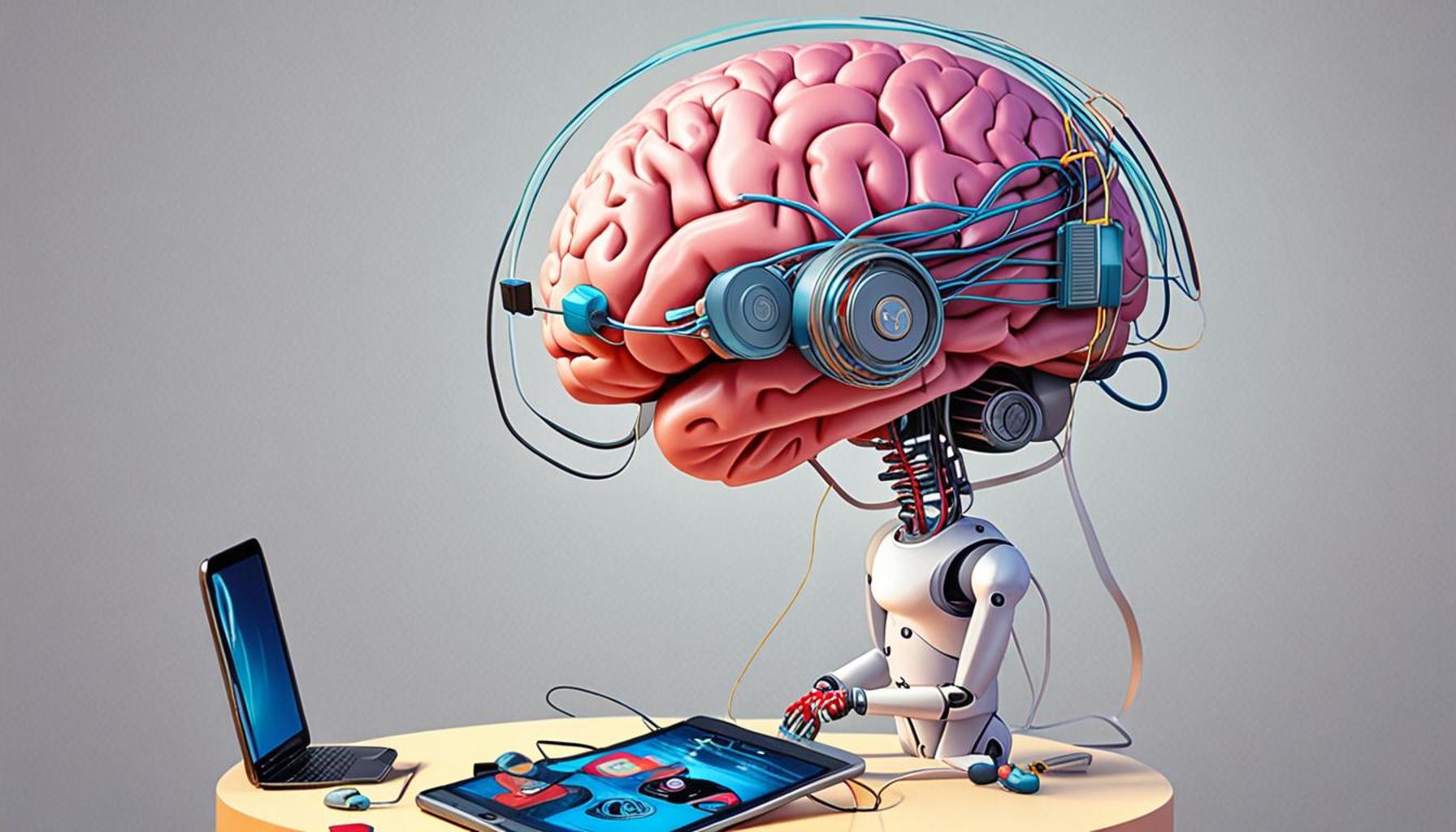
Memory Challenges in the Workplace: Improving Employee Productivity Through Cognitive Training

Exploring the Impact of Memory Challenges in the Workplace
In today’s fast-paced work environment, employees often juggle multiple roles and responsibilities, making memory challenges an increasingly common hurdle. These challenges are not merely personal issues; they can significantly impact team dynamics, productivity, and overall workplace morale. Understanding these obstacles is essential for fostering a more effective and supportive working environment.
Common Memory Challenges
- Information Overload: The digital age has brought with it an incessant stream of emails, messages, and digital notifications. According to a survey by the McKinsey Global Institute, employees spend nearly 28% of their workweek reading and answering emails. This flood of information can lead to cognitive overload, causing employees to forget important details or deadlines.
- Multitasking: While many consider multitasking a valuable skill, studies suggest that it can actually impair memory. When employees switch rapidly between tasks, their ability to retain information suffers. The American Psychological Association has noted that constant task-switching can reduce productivity by as much as 40%.
- Stress and Fatigue: High-stress work environments can compromise cognitive functions significantly. The American Psychological Association highlights that stress can shrink the brain’s hippocampus, the area responsible for memory formation and retention. Chronic fatigue further exacerbates these issues, leaving employees grappling to recall crucial information.
The effects of these memory challenges extend beyond individual performance. When employees struggle to remember details, deadlines slip by, communication falters, and collaborative efforts are compromised. Recognizing these cognitive barriers is the first step toward implementing solutions that can enhance productivity and well-being in the workplace.
The Benefits of Cognitive Training
- Improved Focus: Cognitive training programs, such as mindfulness meditation and focused attention exercises, can bolster focus among employees. Research has shown that mindfulness can lead to a remarkable increase in attention spans, making it easier for workers to concentrate on tasks without becoming easily distracted.
- Enhanced Memory Retention: Techniques like spaced repetition and mnemonic devices can significantly improve memory retention. By employing these strategies, employees can better recall information, which is especially crucial during meetings or presentations, where accurate recall is vital.
- Better Problem Solving: Cognitive training not only fosters memory improvements but also enhances critical thinking skills. Employees equipped with stronger problem-solving capabilities can navigate challenges more effectively, leading to innovative solutions and a proactive approach to workplace obstacles.
By investing in cognitive training strategies, businesses can empower their workforce to conquer memory challenges effectively. This investment not only enhances productivity but also contributes to greater employee satisfaction and retention. When workers feel supported in overcoming cognitive hurdles, they are more likely to engage with their tasks proactively, ultimately driving organizational success.
As companies look to the future of work, understanding and addressing memory challenges will remain a crucial endeavor. With the right tools and support systems in place, businesses can cultivate a workplace culture that prioritizes mental well-being, paving the way for a more dynamic and efficient workforce.
DISCOVER MORE: Click here to learn how strategy games can enhance your cognitive skills
Understanding the Depth of Memory Challenges in Modern Workplaces
Memory challenges are becoming more prevalent in the workplace as employees face increasingly complex tasks and overwhelming information streams. With the demands for higher productivity intensifying, recognizing how these challenges sabotage performance is vital for organizations aiming to maintain a competitive edge. It’s critical to identify not only the symptoms of memory difficulties but also their root causes, which often lie in the unique demands of contemporary work environments.
The Neuroscience Behind Memory Challenges
The struggle with memory in the workplace can often be traced back to cognitive overload and the brain’s inherent limitations. Neuroscience has shown that human memory is not a limitless reservoir; instead, it is highly susceptible to distractions and stressors. The prefrontal cortex, integral for decision-making and working memory, can become easily overwhelmed, impacting employees’ ability to process and store information effectively.
Furthermore, the phenomenon of cognitive fatigue, often stemming from long hours and relentless multitasking, can impair memory functions. A study published by the Harvard Business Review revealed that individuals who worked for prolonged periods without breaks exhibited a 40% decrease in retention of critical details. Responding to this reality, companies can take proactive measures to reinvigorate their workforce’s cognitive abilities.
Preventing Memory Deterioration in the Workplace
- Structured Breaks: Implementing policies that encourage regular breaks can counteract cognitive fatigue. Studies indicate that taking short, structured breaks throughout the day can help workers reset their focus and enhance their memory capabilities.
- Clear Communication Channels: Establishing clear and structured communication protocols can significantly reduce information overload. Tools and platforms designed for efficient collaboration can minimize the likelihood of missing important messages or deadlines.
- Prioritizing Task Management: Encouraging employees to prioritize tasks can help them allocate mental resources more effectively. When they focus on fewer tasks at a time, memory retention for essential tasks increases, leading to improved overall productivity.
Addressing memory challenges through these strategies creates a more resilient organization, transforming potential cognitive roadblocks into opportunities for growth. Savvy employers will understand that investing in their employees’ cognitive health is not merely a trend but rather a fundamental aspect of sustaining high performance in today’s competitive market.
Aiming for Cognitive Excellence
As companies navigate the waters of increasing complexity and information saturation, prioritizing cognitive training becomes an indispensable strategy. Employers who embrace the science behind memory processes can develop targeted training initiatives that strengthen their employees’ cognitive capabilities. By identifying memory challenges early on and taking conscious steps to address them, organizations can cultivate a workforce that is not just productive but also adept at facing future challenges head-on.
| Advantage | Impact on Productivity |
|---|---|
| Enhanced Memory Retention | Cognitive training techniques improve the ability to retain information, leading to more efficient task completion. |
| Reduction of Stress | Regular cognitive exercises can decrease workplace stress by promoting mental clarity and focus, enhancing overall job satisfaction. |
In today’s fast-paced work environment, memory challenges can significantly impede employee productivity. However, implementing cognitive training programs can be a game-changer. Many organizations are discovering that interventions aimed at improving memory not only bolster mental agility but also lead to deeper employee engagement in tasks.Studies indicate that improved memory retention contributes directly to better performance outcomes. Employees who can effectively recall important details can execute their responsibilities more competently, ultimately driving organizational success. Furthermore, cognitive training is often linked to a marked reduction in stress levels. As employees enhance their cognitive functions, they experience a greater sense of control and focus, which translates to a more positive work atmosphere.With the continuous evolution of workplace demands, adapting these cognitive solutions can significantly uplift performance standards while nurturing workplace well-being. This intriguing prospect invites employers to reflect on the potential benefits of integrating such resources into their training modules, encouraging further exploration into the realm of cognitive development.
DISCOVER MORE: Click here to enhance your problem-solving skills
Effective Cognitive Training Approaches to Mitigate Memory Challenges
To manage memory challenges successfully, organizations must go beyond surface-level solutions. Cognitive training has emerged as a potent tool for enhancing memory capacities and overall cognitive function among employees. By implementing structured training programs tailored to address specific memory weaknesses, companies can foster an environment that promotes sustained productivity.
The Role of Cognitive Training Programs
Cognitive training programs can take various forms, from online platforms to in-person workshops. These programs aim to stimulate the brain through exercises designed to enhance memory, attention, and problem-solving skills. Research has shown that targeted cognitive training can lead to considerable improvements in employees’ memory performance. For instance, a randomized controlled trial published by the Journal of Applied Psychology demonstrated that employees participating in a cognitive training program exhibited a 30% increase in working memory capacity after just four weeks.
Integrating Gamification into Memory Training
Innovative training methods, such as gamification, can further engage employees while improving cognitive skills. By transforming cognitive training exercises into game-like formats, organizations can motivate their employees to participate regularly. Incorporating competitive elements, rewards, and levels can serve to enhance the training experience, making it not just effective but enjoyable as well. A study by the American Psychological Association pointed out that participants in gamified cognitive training showed superior improvement in both memory and engagement compared to traditional training methods.
Personalized Training Solutions
Companies can enhance the efficacy of cognitive training by implementing personalized solutions tailored to individual employee needs. Utilizing assessments to identify each employee’s specific memory challenges allows for the development of customized training plans. This personalized approach can dramatically improve engagement and effectiveness, leading to better retention and application of knowledge. Additionally, tools such as adaptive learning software adjust the difficulty level of tasks in real-time, ensuring that employees are continually challenged without experiencing overwhelming frustration.
Encouraging a Culture of Continuous Learning
Creating a workplace culture that values continuous learning can have a profound effect on memory retention. Employers can encourage professional development workshops, lunch-and-learn sessions, and peer-sharing events that focus on sharing techniques for better memory and cognitive efficiency. The benefits of such a culture not only enhance employees’ abilities to conquer their memory challenges but also foster a more collaborative and innovative workplace environment.
Measuring the Impact of Cognitive Training
To evaluate the effectiveness of cognitive training initiatives, organizations should implement robust measurement strategies. By utilizing pre- and post-training assessments, companies can gather data on improvements in memory performance among employees. Additionally, tracking productivity metrics before and after training sessions can provide insights into the tangible benefits of these programs. Companies like Google and Intel have successfully adopted similar evaluation methods, leading to continual enhancements in their training approaches.
Addressing memory challenges through innovative cognitive training programs is an investment that pays dividends in heightened productivity and workplace satisfaction. As organizations begin to recognize the signs of cognitive overload and memory struggles, they will also uncover the potential for growth and resilience within their workforce. Through dedicated efforts toward employee cognitive health, companies can not only learn to navigate memory challenges but thrive in an increasingly competitive landscape.
DISCOVER MORE: Click here to delve into the fascinating history of logical puzzles
Unlocking Potential Through Cognitive Training
In conclusion, addressing memory challenges in the workplace requires a multifaceted approach that recognizes the intricacies of cognitive functioning. By implementing effective cognitive training programs, organizations can significantly enhance their employees’ memory capabilities and, consequently, overall productivity. As highlighted throughout this article, diverse strategies such as personalized training solutions, gamification, and fostering a culture of continuous learning all play vital roles in this process.
The evidence supporting the benefits of cognitive training is compelling; with studies indicating it can lead to a remarkable increase in memory performance and engagement levels amongst employees. Establishing systematic evaluation methods ensures that organizations can accurately measure these improvements and fine-tune training initiatives for optimal outcomes.
Moreover, investing in employee cognitive health is not merely about overcoming challenges; it’s about unlocking untapped potential. Companies that prioritize this aspect of workforce development will not only boost productivity but also cultivate a work environment that values growth, resilience, and collaboration. The modern workplace operates in a volatile, fast-paced landscape, making it essential for organizations to equip their employees with the necessary tools to navigate cognitive demands effectively.
In a nutshell, embracing cognitive training as part of a strategic toolkit can serve as a game-changer, driving businesses forward while simultaneously enhancing the well-being of their most valuable asset: their people. As the future of work continues to evolve, organizations that acknowledge and address memory challenges will ultimately position themselves for lasting success.