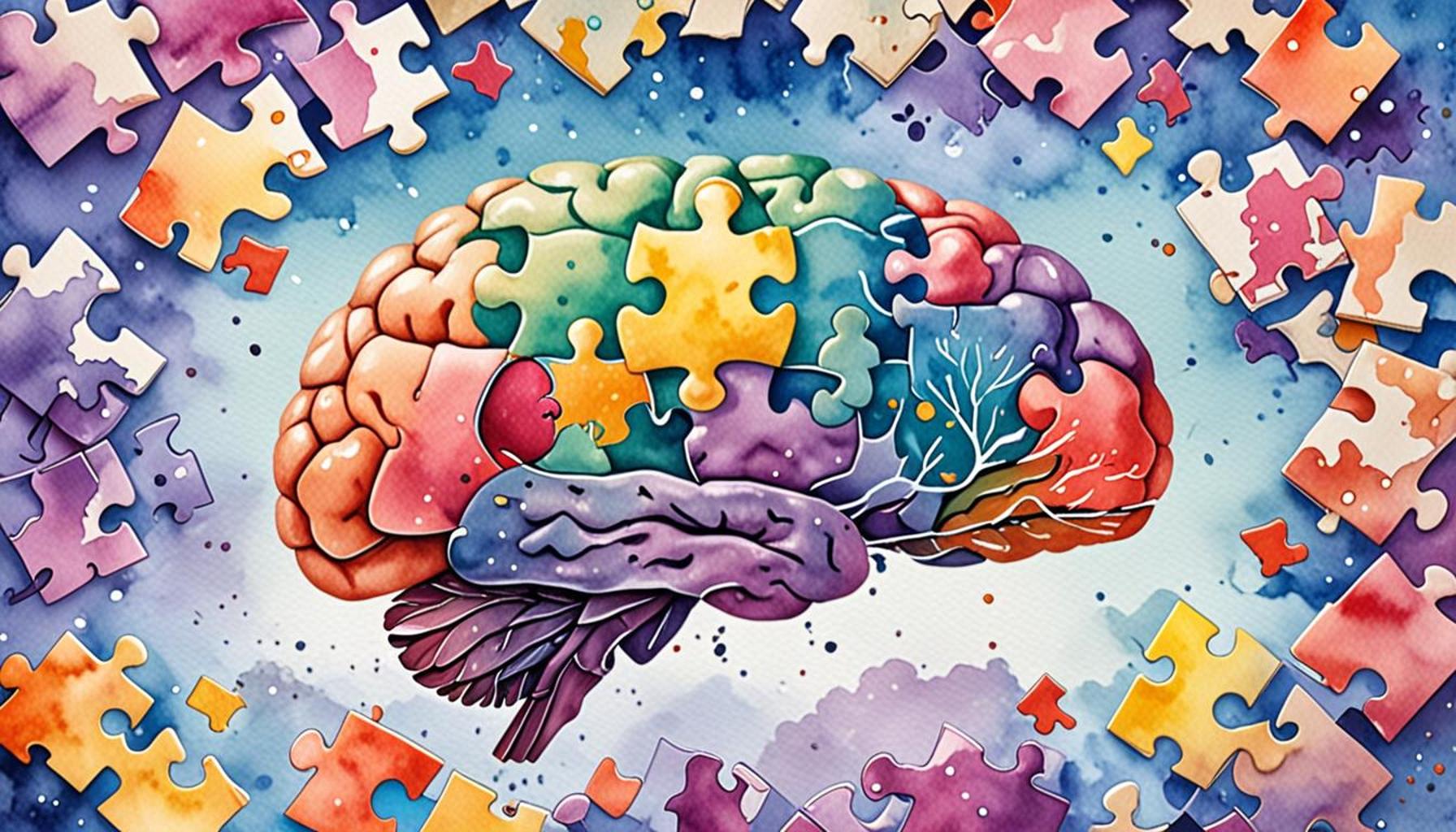
Memory Challenges in the Digital Age: Balancing Technology and Brain Training
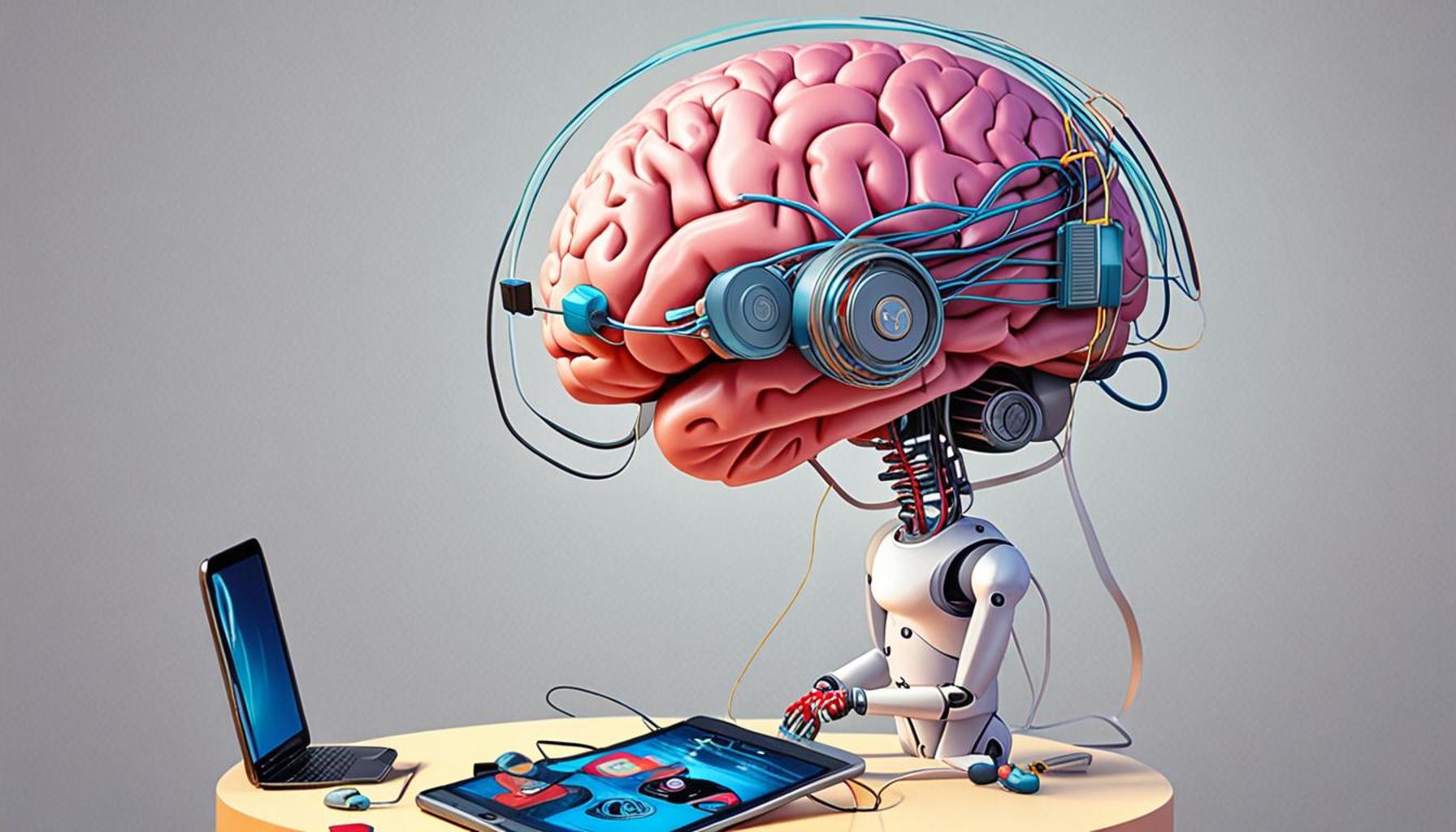
Understanding Memory Challenges in Today’s Digital Landscape
In an era dominated by technology, our brains face unique challenges. As we embrace smartphones, tablets, and smart devices, the way we process and retain information is changing. This shift raises critical questions about the impact of technology on our memory.
Information Overload
One of the foremost challenges is information overload. With the average American checking their phone over 96 times a day, the constant notifications and influx of data can overwhelm the brain. Studies suggest that we are exposed to more information in a single day than people in the early 20th century encountered in their entire lives. This deluge of information can stretch our cognitive capacities, making it difficult to prioritize or remember important details. When our brains attempt to juggle numerous sources of information—social media updates, emails, news articles—retention can suffer significantly.
Reduced Attention Span
Reduced attention span is another concern. The availability of quick access to information fosters a habit of skimming instead of deep reading. Research indicates that our ability to focus has diminished in recent years, with many people now favoring bite-sized content over in-depth exploration. For instance, platforms like TikTok capitalize on this trend by delivering 15-second videos that often replace longer, more thoughtful content. This shift in consumption behavior not only affects comprehension but can also lead to forgetting information more rapidly, creating a cycle of shallow engagement.
Dependence on Devices
Moreover, our dependence on devices can hinder natural memory capabilities. The convenience of digital assistants like Siri or Alexa encourages externalizing memories, leading to a phenomenon often referred to as “digital amnesia.” Relying on technology to remember phone numbers, dates, or even grocery lists can degrade our ability to recall such information without assistance. This dependence raises questions about whether our natural memory skills are evolving or at risk of deteriorating.
Yet, amidst these challenges lie opportunities for improvement. Incorporating brain training exercises and mindfulness practices can effectively enhance memory retention. Understanding how to balance technology use with cognitive training becomes essential for optimal brain function.
Innovative Solutions
- Memory Apps: Innovative applications like Lumosity or Elevate offer cognitive exercises tailored for improving memory and other cognitive skills. These apps present fun, challenging tasks that not only engage users but also encourage consistent brain training.
- Mind Mapping: Visual tools such as mind mapping help in organizing thoughts and information effectively. By categorizing and connecting ideas, individuals can better remember and recall complex information.
- Social Connections: Engaging in discussions and group activities can stimulate memory recall. Social interactions challenge us to articulate our thoughts and share knowledge, which reinforces memory retention.
As we navigate this digital landscape, finding harmony between technology and our cognitive faculties is crucial. Whether it’s through adopting mindful tech habits or leveraging innovative memory training tools, the journey to maintain our memory health while embracing technological advancements is both challenging and rewarding.
DISCOVER MORE: Click here to learn about the benefits of word games
The Evolution of Memory and Learning in a Digital World
The rapid integration of technology into our lives has fundamentally transformed the way we learn and remember information. As our brains adapt to these changes, understanding the implications of digital distractions becomes crucial in mitigating their effects on memory. There is a growing body of research indicating that our interaction with technology is reshaping not only our cognitive abilities but also our learning processes.
The Science Behind Memory Formation
Memory formation is a complex process that involves various stages, including encoding, storage, and retrieval. While technology can enhance some aspects of these processes, it can also impede them. Memory relies heavily on attention and engagement, which are easily compromised by the distractions typical in a digital environment. A study published in the journal “Psychological Science” demonstrated that multitasking, a common behavior among tech users, significantly hampers memory retention. Individuals who frequently switch between tasks are likely to remember less than those who focus on one thing at a time.
Shifting Learning Paradigms
The shift towards online learning platforms reflects society’s changing approach to education. While these platforms provide convenient access to knowledge, they also contribute to a culture of passive consumption. Traditional learning often emphasizes active engagement with materials—reading, note-taking, and discussion. In contrast, digital learning often encourages a quick swipe, click, and scroll technique that reduces deep cognitive processing. This transition affects not just how much we learn, but how well we can recall that information when needed.
The Role of Memory Training
As we confront these challenges, enhancing our memory through intentional training can yield significant benefits. Here are some effective strategies to improve memory retention in the digital age:
- Daily Practice: Just like physical exercise, memory training requires regular practice. Engaging in activities such as puzzles, brain teasers, and memory games can strengthen neural pathways, making memory retrieval more efficient.
- Mindfulness Techniques: Mindfulness meditation can increase focus and clarity, helping to combat distractions. By training the mind to concentrate, individuals can enhance their ability to encode information thoroughly.
- Consistent Sleep: Recent studies consistently show a link between adequate sleep and improved memory. This emphasizes the importance of self-care in maintaining cognitive functions.
In a world where technology is constantly evolving, recognizing the balance between utilizing these digital tools and nurturing our cognitive abilities is vital. As we strive to foster our memories amidst the noise of the digital landscape, fostering a proactive approach to both memory training and tech use can pave the way to better cognitive health.
Memory Challenges in the Digital Age: Balancing Technology and Brain Training
The rapid evolution of technology has undeniably altered how we process and retain information, leading to unique challenges for our memory. While digital tools enhance our access to data, they may simultaneously diminish our inherent cognitive abilities. Studies reveal that reliance on smartphones and tablets can result in cognitive offloading, where we depend on devices to store information rather than exercising our memory. This phenomenon raises pertinent questions about the repercussions for long-term memory retention.Moreover, the constant influx of information through notifications, emails, and social media can lead to information overload. The brain struggles to filter and prioritize content, which can impair focus and comprehension. Interestingly, traditional memory-boosting techniques, such as mnemonic devices and physical brain training exercises, remain valuable. These methods not only enhance memory retention but also promote deep engagement with information, contrasting sharply with the superficial processing often associated with digital consumption.Incorporating mindfulness into daily routines can also significantly benefit memory performance. Mindfulness practices encourage individuals to focus on the present moment, reducing distractions that technology often introduces. Meditative exercises and dedicated time away from screens offer mental clarity and boost cognitive function. As we navigate the complexities of modern memory challenges, it becomes essential to harness the advantages of technology while actively training our brains. Engaging with both traditional memory exercises and strategic use of technology allows us to strike a balance essential for optimal mental health in our digital world.
| Cognitive Techniques | Benefits |
|---|---|
| Memory Training Apps | Increase engagement and cognitive flexibility. |
| Mindfulness Meditation | Enhances focus and reduces stress, improving retention. |
| Physical Brain Exercises | Strengthen memory retention and cognitive functionality. |
| Limiting Digital Distractions | Promotes deeper learning and understanding. |
DIVE DEEPER: Click here to uncover the fascinating journey of logic puzzles
The Impact of Digital Technology on Cognitive Skills
As we delve deeper into the realm of cognitive abilities, it becomes increasingly clear that digital technology has both positive and negative implications on memory and learning. One of the most significant challenges is the phenomenon of cognitive overload. With the internet offering a seemingly infinite reservoir of information, the brain can become overwhelmed. This bombardment of data often leads to difficulty in distinguishing what is genuinely important, detracting from memory consolidation.
The Paradox of Access
While the digital world provides unprecedented access to information, it may paradoxically reduce our ability to recall that information effectively. The ease with which we can retrieve data online—whether through search engines or virtual assistants—leads to a dependence on these tools rather than on our own cognitive faculties. Research indicates that when information is easily accessible, we are less likely to store it in our long-term memory. According to a study conducted by psychological scientists, individuals often have a tendency to forget information simply because they know they can find it again online.
Neuroscience Insights
Neuroscience offers valuable insights into how digital interactions reshape our brains. A notable study from the University of California, Los Angeles (UCLA) revealed that extensive use of technology can contribute to structural changes in the brain, particularly affecting areas responsible for memory and decision-making. The research showed that adolescents who had high levels of screen time exhibited less gray matter in regions important for emotional regulation and cognitive processing. Such findings suggest that prolonged exposure to digital devices not only challenges memory retention but may also hinder the development of critical thinking skills.
Strategies to Navigate the Digital Landscape
To counteract the adverse effects of digital encumbrance on memory, individuals can implement specific strategies that promote brain health. Some effective approaches include:
- Digital Detox: Taking regular breaks from screens can refresh cognitive faculties. Setting aside dedicated time for activities without digital distractions allows the brain to reset and improve focus.
- Analog Alternatives: Embracing traditional learning techniques, such as reading physical books or engaging in face-to-face discussions, fosters deeper cognitive connections and enhances retention through active engagement.
- Active Learning Techniques: Techniques such as self-quizzing and teaching others can reinforce memory by requiring a more profound understanding of the material, thus facilitating better retention.
As we navigate through this digital era, it becomes evident that harnessing the power of technology while simultaneously prioritizing brain training is essential. By fostering habits that encourage active engagement, prioritizing mental wellness, and minimizing digital distractions, individuals can effectively combat the memory challenges posed by our tech-saturated environment. As awareness of these issues grows, so too does the potential for implementing strategies that can lead to remarkable improvements in cognitive health across ages and demographics.
DIVE DEEPER: Click here to learn how logic puzzles can boost your skills
Conclusion: Navigating Memory Challenges in a Digital World
In the digital age, the interaction between technology and our cognitive abilities creates a complex landscape where memory challenges abound. While the internet’s vast information pool is invaluable, it often induces cognitive overload and promotes a reliance on quick retrieval methods at the cost of deeper memory retention. As highlighted by recent studies, the structural implications on our brains, particularly among younger users, raise pressing concerns about long-term cognitive health.
However, this landscape is not solely one of challenges. By employing strategic practices such as digital detox, using analog methods of learning, and engaging in active memory techniques, individuals can regain control over their cognitive development. These strategies serve not just as countermeasures, but as pathways to cultivate a more balanced relationship with technology. The act of consciously choosing when to unplug and opting for engaging, hands-on learning experiences can amplify cognitive connections and bolster memory.
As we move forward in this tech-driven society, the onus lies on individuals to remain vigilant and proactive in fostering their mental faculties. The balance between leveraging technological advancements and preserving our natural cognitive abilities is crucial. Such an approach not only safeguards our capacity to learn but also empowers us to adapt to a rapidly changing world. Ultimately, embracing both innovation and mindfulness may hold the key to overcoming the memory challenges endemic to our digital age.