Memory Challenges and Neuroplasticity: How Puzzles Can Reshape the Brain
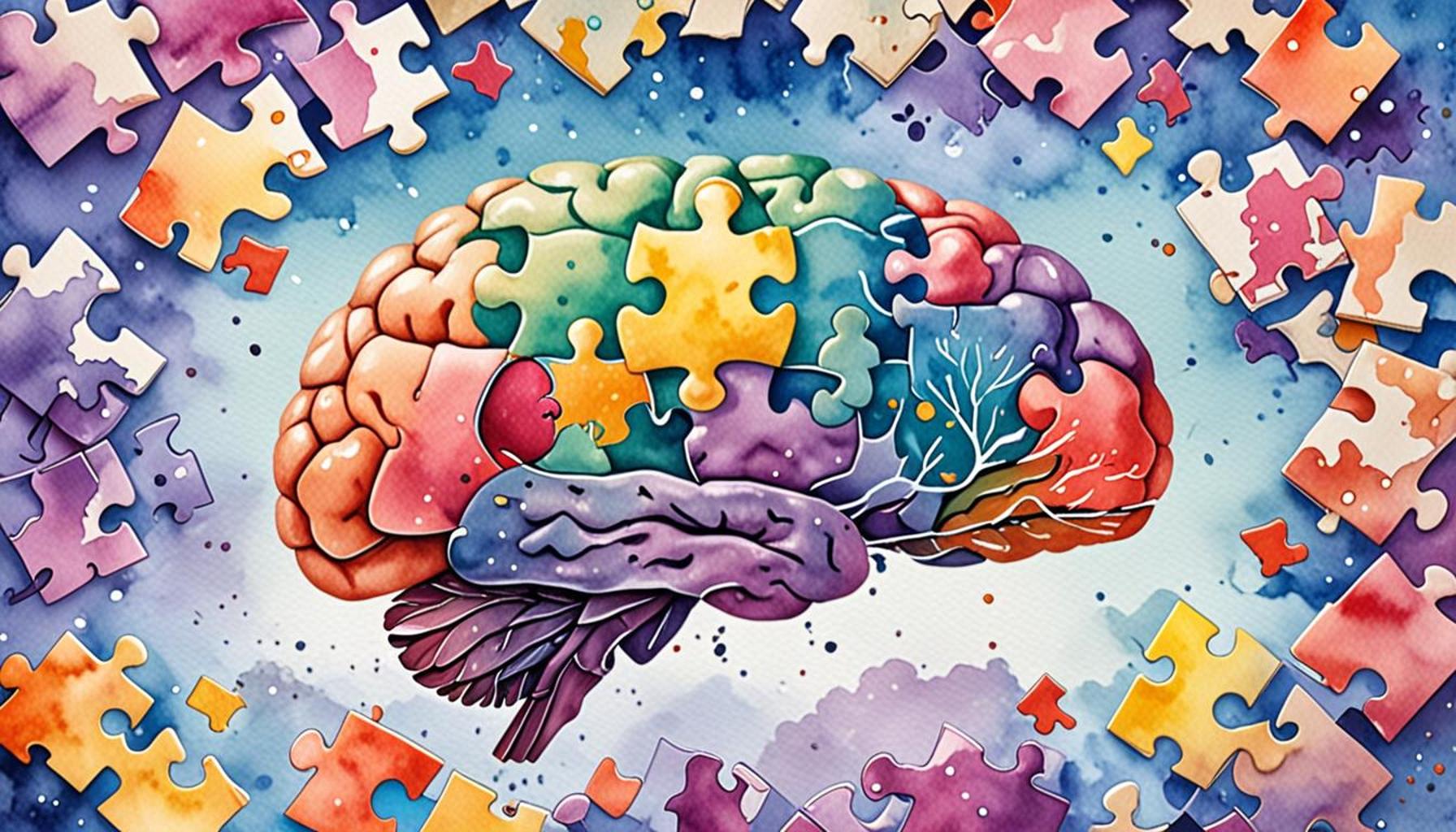
Memory Challenges in Perspective
Every day, millions of individuals across the United States grapple with memory challenges. From the occasional slip of forgetting a name at a crowded social gathering to more persistent struggles such as misplacing items or difficulty in recalling recent conversations, these issues can be not only frustrating but also concerning for many. Interestingly, emerging research into the power of neuroplasticity—the brain’s remarkable ability to adapt—suggests a promising pathway to improving these cognitive challenges through engaging activities, specifically puzzles.
The Power of Neuroplasticity
The concept of neuroplasticity refers to the brain’s ability to reorganize itself by forming new neural connections throughout an individual’s life. This ability is particularly significant when it comes to enhancing memory and cognitive function. Here are a few key facets:
- Healing after injury: For those who may suffer from traumatic brain injuries or strokes, neuroplasticity enables the brain to adapt and compensate for lost functions. Rehabilitation programs often leverage this property to help recovery, showcasing the brain’s potential for repair.
- Learning and development: Every new experience or piece of information can contribute to shaping the brain’s pathways. For instance, learning a new language or picking up an instrument creates new connections, enhancing cognitive agility and memory.
- Age-related changes: As individuals age, they often face cognitive decline. However, researchers have found that neuroplasticity can help mitigate these effects. Engaging in mentally stimulating activities has been linked to a lower risk of cognitive impairment, emphasizing the importance of lifelong learning.
How Puzzles Play a Role
Puzzles and similar brain-teasers offer a fun and engaging way to stimulate various areas of the brain, ultimately leading to improved cognitive function. The benefits of solving puzzles extend beyond mere entertainment:
- Enhanced problem-solving skills: Puzzles challenge individuals to think critically and develop strategies. This practice can translate into improved decision-making abilities in everyday life, whether it’s tackling obstacles at work or overcoming personal challenges.
- Memory retention: Regular engagement in puzzles can improve memory recall. Integrating crossword puzzles or jigsaw puzzles into daily routines has been shown to strengthen memory pathways, showcasing an effective strategy for those looking to boost their cognitive abilities.
- Stress relief: Concentrating on puzzles can provide a mental escape. The immersive nature of solving a puzzle allows individuals to disengage from daily stressors, promoting relaxation and mental clarity.
With a wide array of puzzles available—from traditional crosswords and Sudoku to logic games or digital brain teasers—there truly is something for everyone. By exploring how these activities can facilitate mental growth, individuals not only unlock the potential of their minds but also pave the way for a more enriching, engaging, and fulfilling life. The combination of fun and cognitive benefits makes pursuing puzzles an appealing and effective strategy to enhance memory and cognitive resilience.
DISCOVER MORE: Click here to unlock the cognitive benefits of word games
Unlocking Cognitive Potential through Play
As our society continues to evolve, the importance of maintaining cognitive health has come to the forefront. With the onset of age-related memory challenges affecting millions, understanding how our brains respond to stimulation becomes crucial. Engaging in puzzles—ranging from crosswords to Sudoku—is not just a leisurely pastime; it’s an opportunity to actively promote neuroplasticity, inviting the brain to reshape and strengthen neural pathways.
Puzzles as Tools for Neuroplasticity
Puzzles stimulate cognitive processes, compelling the brain to solve problems, remember details, and develop strategies. Researchers have increasingly recognized the profound benefits these activities can offer, particularly in fostering brain resilience. The connection between engaging with puzzles and improved memory capacity can be attributed to several mechanisms:
- Increased Cognitive Load: Tackling challenging puzzles elevates the cognitive load on the brain, forcing it to work harder to solve problems. This elevated activity can stimulate areas responsible for memory, thereby enhancing overall cognitive functioning.
- Strengthened Neural Pathways: As individuals repeatedly engage in puzzle-solving, they reinforce existing neural connections while creating new ones. This process not only helps retain information but also improves the ability to recall it when needed.
- Engagement and Motivation: The inherent enjoyment derived from puzzles encourages individuals to engage in these activities regularly. This consistent practice further catalyzes the brain’s ability to adapt and mold itself in response to new challenges.
Furthermore, educational institutions and wellness programs increasingly integrate puzzles into cognitive training regimens, underscoring their utility in enhancing memory retention. For example, studies suggest that older adults who engage in crossword puzzles regularly demonstrate significantly better verbal memory compared to their peers who do not partake in similar activities.
Real-World Applications of Puzzles
The effectiveness of puzzles in promoting neuroplasticity isn’t limited to those facing memory challenges. People of all ages can harness these tools to enhance their mental agility. For instance, children learning to solve puzzles can improve their concentration and spatial awareness, laying a strong foundation for future learning. Adults, meanwhile, may find that puzzles serve as a mental escape from daily stressors, offering a reprieve that ultimately leads to enhanced cognitive clarity.
With the landscape of brain health continuing to evolve, understanding the intersection of memory challenges and neuroplasticity holds promise for fostering a healthier society. As we delve deeper into how puzzles influence our brain’s adaptability, it becomes increasingly clear that the simple act of playing a game can be a powerful tool for reshaping our cognitive future.
Exploring Neuroplasticity through Puzzles
Neuroplasticity is a fascinating process by which the brain can reorganize itself by forming new neural connections throughout life. This adaptability is especially crucial when it comes to overcoming memory challenges. Engaging in puzzles serves as an effective tool for stimulating this very neuroplasticity.
When individuals face memory challenges, like those stemming from aging or cognitive disorders, puzzles present a unique opportunity for rehabilitation and enhancement of cognitive abilities. Research indicates that regularly solving puzzles can lead to improved problem-solving skills and enhanced mental flexibility.
Types of Puzzles That Aid Cognitive Development
Various types of puzzles, including jigsaw, crosswords, and Sudoku, each stimulate different parts of the brain. For example, jigsaw puzzles require spatial reasoning, while crosswords enhance verbal skills. This multi-faceted mental workout can lead to increased brain matter, particularly in areas responsible for memory and learning.
The Role of Fun in Cognitive Engagement
Moreover, puzzles are inherently enjoyable, creating a sense of accomplishment upon completion. This satisfaction can lead to a broader willingness to participate in additional mental exercises. As enjoyment often correlates with greater engagement and persistence, the power of puzzles extends beyond simple entertainment; they can become a cornerstone in a comprehensive approach to cognitive health.
As we dive deeper into the contributions of puzzles to neuroplasticity, the link between persistent brain exercise and long-term cognitive health becomes increasingly clear. With ample evidence and continued research, the potential for brain reshaping through such simple activities is indeed profound. For those seeking to bolster their cognitive abilities, the time to explore the world of puzzles is now.
| Category | Advantages |
|---|---|
| Cognitive Improvement | Enhances problem-solving abilities and mental flexibility. |
| Memory Enhancement | Stimulates neural pathways linked to memory formation. |
By examining the intrinsic link between memory challenges and neuroplasticity, we begin to appreciate the potential impact of puzzles on mental health and cognitive resilience. Each puzzle solved can serve as a stepping stone towards strengthening the brain and enriching our lives in significant ways.
DIVE DEEPER: Click here to boost your brain
Bridging Gaps with Cognitive Engagement
Puzzles can also play a pivotal role in bridging cognitive gaps that arise from various neuropathologies. Conditions such as Alzheimer’s disease and other forms of dementia can be disheartening both for those diagnosed and their loved ones. However, recent studies suggest that consistently engaging with puzzles may delay the onset of symptoms or slow down their progression. For example, research from the Alzheimer’s Association indicates that individuals who regularly participate in mentally stimulating activities—such as puzzles—were less likely to develop cognitive impairment compared to their less-engaged peers. This correlation highlights the potential for puzzles not only to stimulate neural reactivity but also to cultivate a protective effect on memory.
Group Activities and Social Connectivity
In addition to individual engagement, group puzzle-solving activities foster a sense of community and collaboration, which are essential for cognitive health. Social interaction plays a significant role in maintaining memory function and overall brain wellness. Participating in puzzle clubs or community events can increase motivation and excitement around brain games, leading to more sustained practice. In these group settings, individuals not only challenge each other, but they also share strategies and experiences, stimulating different cognitive pathways through collaboration. This sense of belonging can directly contribute to reduced feelings of isolation, often associated with cognitive decline.
Moreover, the rise of technology has revolutionized the way we engage with puzzles. Digital platforms now offer interactive puzzle games that can be played both solo and with others, facilitating connection across distances. With the convenience of apps available on smartphones and tablets, puzzle enthusiasts can enjoy brain games anywhere, anytime. This flexibility encourages continuity in cognitive engagement, which is essential for long-term benefits. Data from a study conducted by University of California, Irvine highlighted that daily engagement with cognitive training apps helped improve not just memory but also problem-solving skills in older adults.
Cognitive Diversity and Puzzle Variety
To maximize the benefits of puzzles, it is crucial to embrace diversity in the types of puzzles engaged with. Research suggests that incorporating a variety of puzzles—like logic puzzles, jigsaw puzzles, and memory games—can elicit different cognitive skills, resulting in a more holistic cognitive workout. Each type of puzzle targets specific cognitive functions, leading to enhanced adaptability and resourcefulness in problem-solving. For instance, while crossword puzzles enhance vocabulary and verbal aptitude, Sudoku strengthens numerical reasoning and logic skills. This multifaceted approach allows the brain to effectively navigate various challenges, fostering greater resilience against memory deterioration.
As interest in neuroplasticity grows, so does the availability of research and resources surrounding cognitive enhancement through puzzles. Numerous online platforms and workshops are dedicated to deepening the understanding of how these games can contribute to brain health. As more people recognize the significance of maintaining cognitive agility through engaging activities, puzzles can be celebrated not merely as entertainment but as undeniable instruments in the quest for cognitive longevity.
DISCOVER MORE: Click here to dive into the history of logic puzzles
Unlocking the Potential of Our Minds
In conclusion, engaging with puzzles serves as a powerful tool in the ongoing battle against memory challenges and demonstrates the profound impact of neuroplasticity in our lives. The evidence is compelling: from enhancing cognitive engagement and fostering social connectivity to enriching our mental diversity, puzzles offer an accessible pathway to keep our brains agile, adaptable, and resilient. As highlighted by research, regularly tackling various types of puzzles—whether crossword puzzles, Sudoku, or logic games—not only cultivates key cognitive skills but can also delay the onset of memory impairments associated with age-related conditions like Alzheimer’s disease.
Furthermore, the rise of digital platforms for puzzle-solving opens new doors for cognitive engagement, allowing people of all ages to participate anytime and anywhere. This flexibility is vital, especially in a world that increasingly values mental health and social connection. By incorporating puzzles into our routines, we not only entertain ourselves but also empower our minds to thrive amid challenges.
As we continue to explore and understand the intricate relationship between memory and neuroplasticity, it becomes clear that puzzles are more than mere pastimes; they are essential tools in enhancing our cognitive longevity and maintaining rich, fulfilling lives. Each piece we solve is a step toward reshaping our brains for the better, proving that play can indeed be a serious investment in our mental health.