Logical Enigmas and Neuroscience: The Brain’s Puzzles in Action
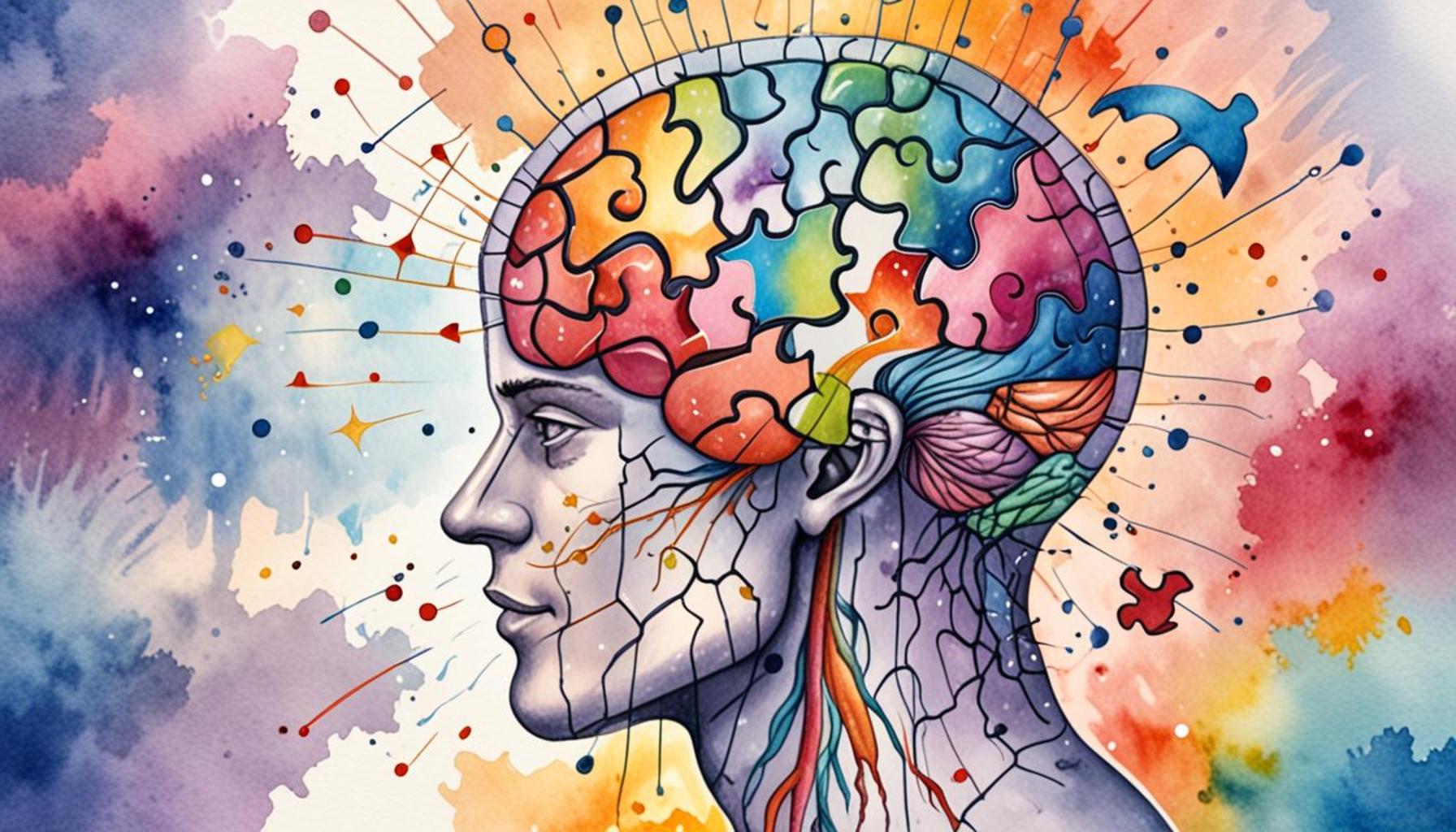
A Journey Through Cognitive Challenges
The human brain is often likened to a vast maze, filled with countless pathways and intricate connections. Each twist and turn not only represents a different thought but also unveils the remarkable capabilities of our cognitive processes. When we engage in logical enigmas, we invite ourselves to navigate this maze, unraveling the mysteries of introspection and reasoning. These puzzles are more than mere entertainment; they serve as a gateway to understanding how we process information and solve problems.
Logical enigmas can take on a plethora of forms, each one enticing us to exercise various facets of our intellect. For instance, consider the classic riddle: “What has keys but can’t open locks?” The answer, a piano, encourages lateral thinking and reflects our ability to connect seemingly unrelated concepts. Similarly, math puzzles, such as Sudoku or logic grid puzzles, demand a structured approach to reasoning, enhancing our quantitative skills while also improving our general mental agility.
- Classic riddles that test our reasoning skills.
- Math puzzles that challenge our quantitative thinking.
- Crossword and logic games that enhance our verbal and analytical abilities.
Research in neuroscience continues to shed light on how our brains tackle these challenges. For instance, studies using functional MRI have shown that specific brain areas, such as the prefrontal cortex, are particularly active during problem-solving tasks. This region is associated with reasoning, planning, and decision-making, offering insight into how we engage with and resolve logical challenges.
- How different brain regions respond to complex problem-solving tasks.
- The impact of cognitive challenges on our neural pathways.
- Insights into creativity and its relationship with logical reasoning.
Moreover, participating in these cognitive challenges can lead to substantial changes in our neuroplasticity—the brain’s ability to reorganize itself by forming new neural connections throughout life. Engaging in regular puzzles not only fine-tunes our logical reasoning but could also foster creativity, encouraging us to think outside the box and explore new solutions to problems.
As we delve deeper into the fascinating interplay between logical enigmas and neuroscience, we are not just passively solving games. Instead, we are actively participating in a broader narrative about the ways in which our brains function and adapt. This knowledge not only piques our curiosity about cognitive science but also urges us to incorporate these mental exercises into our daily lives. So, whether you’re a puzzler at heart or a curious learner, joining the ranks of those who explore these intriguing challenges can provide profound insights into the wonderful workings of the mind.
DIVE DEEPER: Click here to discover the cognitive benefits of word games
The Cognitive Benefits of Engaging with Puzzles
Logical enigmas serve not only as a form of entertainment but also as a significant tool for enhancing cognitive function. Engaging in these brain teasers can lead to numerous benefits, fostering both mental acuity and emotional resilience. As we tackle riddles, engage in logic games, or immerse ourselves in mathematical challenges, we stimulate various cognitive faculties that contribute to improved overall brain health.
One of the most notable benefits of solving logical enigmas lies in the improvement of critical thinking skills. By grappling with complex problems, we cultivate analytical thinking, allowing our minds to dissect information and evaluate it from different perspectives. This not only assists us in developing better problem-solving techniques but also translates into real-world applications, where we are called to make informed and rational decisions.
Additionally, these cognitive challenges enhance our memory and attention span. Studies suggest that individuals who regularly engage with puzzles demonstrate stronger verbal and short-term memory. For instance, seniors who participate in crossword puzzles or brain teasers show less cognitive decline than those who do not engage in such activities. This memory enhancement is crucial for daily tasks, whether it’s recalling names, keeping track of appointments, or following complex conversations.
- Critical Thinking: Logical enigmas foster the ability to analyze situations from various angles, leading to more effective problem-solving.
- Memory Enhancement: Regular engagement with puzzles strengthens both short-term and verbal memory, beneficial for daily life.
- Attention Span: Puzzles require sustained concentration, assisting in the development of focus over time.
The brain’s plasticity plays a vital role in these improvements. Neuroplasticity, the brain’s capacity to reorganize itself by forming new neural connections, is particularly active when we challenge ourselves with logical puzzles. Engaging with these enigmas stimulates different neural pathways, creating a more versatile cognitive framework that enables us to tackle both mundane tasks and complex challenges with greater ease.
Moreover, some studies indicate that the act of solving logical enigmas can decrease stress and anxiety. The concentration required to solve puzzles can serve as a meditative-like experience, grounding us in the moment and allowing for mental clarity amidst the distractions of daily life. As we immerse ourselves in these challenges, we inadvertently provide our minds a respite from continuous sensory overload.
By understanding the comprehensive impacts of logical puzzles on cognitive health, we can appreciate their value beyond mere enjoyment. Whether as a casual pastime or a dedicated mental exercise, engaging in logical enigmas can contribute significantly to our brain’s longevity and functionality, making them a worthwhile addition to our daily routines.
| Category 1 | Category 2 |
|---|---|
| Cognitive Engagement | Promotes deep thinking and problem solving |
| Enhanced Brain Function | Improves memory, attention, and processing speed |
| Social Interaction | Fosters teamwork and collaborative thinking |
| Stress Relief | Encourages relaxation and enjoyment through puzzles |
The exploration of logical enigmas and their relation to neuroscience reveals fascinating insights about our brain’s capabilities. Puzzles engage our cognitive faculties in profound ways, acting as a workout for the mind. As we decipher these enigmas, we stimulate neuroplasticity, enhancing our brain’s ability to adapt and grow. Research indicates that consistently solving challenging problems can lead to better neural connectivity, which is a critical factor in overall brain health.Furthermore, engaging in these brain teasers is not merely an individual affair. Many of these logical puzzles encourage collaboration and communication, making them ideal for group settings. The bonding experience of working together to solve a complex riddle can showcase how teamwork may boost cognitive performance.Additionally, the act of engaging with puzzles offers a unique opportunity for stress relief. The focus required to tackle logical enigmas can provide a mental escape, reducing anxiety while nurturing a sense of accomplishment. This combination of benefits underscores the significance of logical enigmas in enhancing not only our cognitive abilities but also our overall well-being. As we dive deeper into the relationship between logical puzzles and neuroscience, we discover new dimensions that provoke our curiosity and inspire a lifelong journey of learning. Exploring these connections invites us to unlock the endless potential of our minds.
DIVE DEEPER: Click here to discover the evolution of word games
The Role of Logical Enigmas in Enhancing Emotional Intelligence
Beyond cognitive benefits, engaging in logical enigmas has been linked to the enhancement of emotional intelligence (EI), a crucial attribute in both personal and professional realms. Emotional intelligence comprises the ability to understand and manage our own emotions as well as the capacity to empathize with others. As we tackle logical puzzles, we may inadvertently strengthen our emotional faculties.
Firstly, solving logical enigmas requires discipline, patience, and persistence—traits that are quintessential for emotional regulation. When faced with a challenging puzzle, individuals often encounter frustration or anxiety. Learning to manage these feelings while persevering towards a solution cultivates resilience, a key component of emotional intelligence. In turn, this resilience can be beneficial in everyday interactions, helping individuals deal more effectively with setbacks and stressors in their lives.
Furthermore, successfully navigating the complexities of a riddle can lead to a sense of accomplishment and self-efficacy. This boost in confidence can translate into improved social interactions, as individuals who feel competent in their problem-solving abilities are more likely to engage with others dynamically and assertively. Emotional competence fosters better relationships, enhancing collaboration and teamwork in workplace settings.
- Resilience Development: Regularly confronting and overcoming logical challenges assists in building emotional resilience, vital for coping with life’s hurdles.
- Boosting Confidence: Successfully solving puzzles provides a sense of achievement that can translate into increased confidence in social circumstances.
- Empathy Enhancement: Engaging with various perspectives while solving puzzles cultivates understanding and empathy towards others.
The Neuroscience Behind Logic and Emotions
The fascinating interplay between logical reasoning and emotional intelligence can be understood through neuroscience. Neuroimaging studies have revealed that engaging with logical enigmas activates multiple brain regions, including the prefrontal cortex, which is responsible for decision-making and emotional regulation. Furthermore, areas such as the amygdala, known for emotional processing, become engaged as puzzles elicit feelings of excitement or frustration.
Research indicates that regular engagement with challenging mental activities can lead to structural changes in the brain. For example, a study published in the journal “Cognitive Processing” suggests that problem solvers experience an increase in grey matter density in the regions associated with logical reasoning and emotional understanding. This not only highlights how the brain adapts to increased challenges but also underscores the intrinsic link between logic and emotion.
Moreover, the concept of mindfulness plays a pivotal role in the efficacy of puzzle-solving as a tool for emotional intelligence enhancement. The focus required when engaging with logical enigmas can create a state of mindfulness, which has been shown to improve emotional regulation. Individuals who practice mindfulness tend to report higher levels of self-awareness and empathy, further reinforcing the notion that the brain’s puzzle-solving faculties are intertwined with our emotional capabilities.
By delving into the cognitive and emotional facets of logical enigmas, we uncover a wealth of insights into how challenges shape our minds. These interactions not only hone our intellectual abilities but also enrich our emotional landscapes, paving the way for holistic cognitive development that extends far beyond the realm of challenges and solutions.
DISCOVER MORE: Click here to delve into the evolution of logic puzzles
Conclusion: Unraveling the Intricacies of the Mind
In conclusion, the exploration of logical enigmas serves as a profound illustration of the intricate relationship between cognitive processes and emotional intelligence, highlighting the brain’s remarkable adaptability. As we engage with these puzzles, we not only challenge our reasoning abilities but also cultivate essential emotional skills, such as resilience and self-awareness, vital for navigating life’s complexities.
The neuroscience behind our interaction with logical puzzles reveals that activities demanding focused thought activate critical brain regions, suggesting that the benefits extend far beyond mere knowledge acquisition. Through regular participation in problem-solving, we can strengthen neural pathways, leading to enhanced emotional understanding and regulation. This is particularly significant in a world where emotional intelligence plays a crucial role in fostering collaborative, effective communication and relationships.
Moreover, the practice of mindfulness during puzzle-solving further amplifies these benefits. By promoting a state of mental clarity and presence, we can enhance our ability to manage emotions and empathize with others, contributing to personal growth and improved social interactions.
Ultimately, the findings presented in this article invite readers to embrace the challenge of logical enigmas not just as a form of entertainment, but as a valuable tool for enhancing both cognitive and emotional faculties. In a rapidly changing world, fostering skills through engaging puzzles could be the key to unlocking a more resilient and emotionally aware society. As we delve deeper into the mysteries of our minds, the potential of logical enigmas stands as a testament to the power of intellectual and emotional synergy, urging us to keep searching for the next challenge that might expand our understanding of ourselves and others.