
Gamification of Memory Training: How Game Mechanics Enhance Engagement in Cognitive Exercises
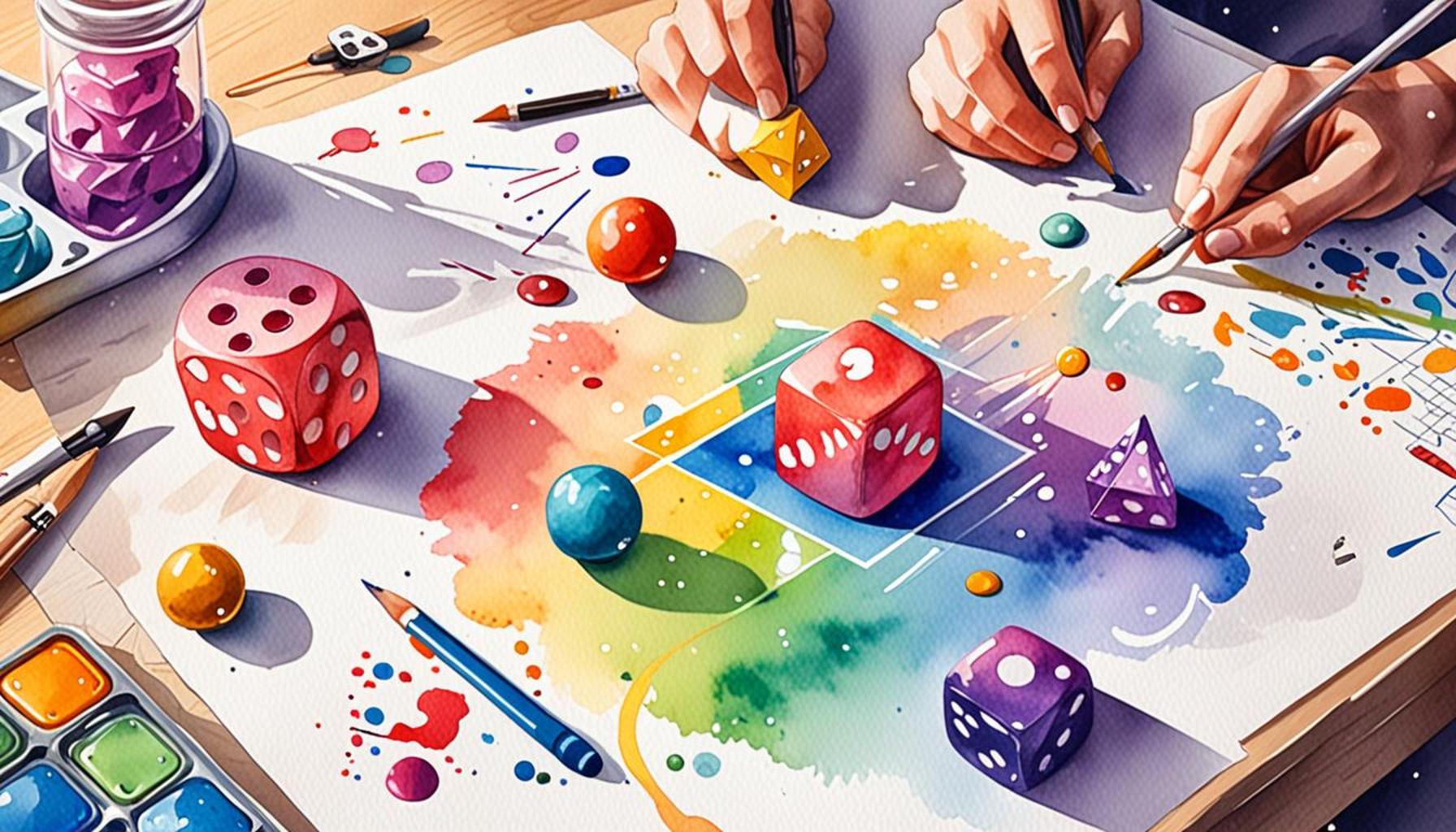
Revolutionizing Cognitive Exercises through Gaming
The integration of gaming mechanics into memory training is not merely a trend; it represents a significant shift in how we engage with cognitive exercises. By incorporating elements of fun, competition, and interactive challenges, this innovative approach dramatically increases memory retention and learner engagement. A fascinating aspect of this development is how traditional cognitive training methods have often failed to maintain participant interest, primarily due to their repetitive and dry nature. In contrast, the gamification of memory exercises offers a refreshing alternative that keeps learners invested and motivated.
- Enhanced Motivation: When participants earn points or unlock levels through completing memory tasks, their interest in the activity significantly increases. For instance, mobile applications such as Lumosity employ a variety of games that reward users with points and achievements, thereby fostering a sense of competition—either against themselves or their peers.
- Improved Retention: Interactive challenges, such as matching games or puzzles, require active participation and encourage deeper cognitive processing. Games like Brain Age offer puzzles that build various memory skills through engaging game formats, making the learning experience both stimulating and effective.
- Real-Time Feedback: Players receive instant assessments of their performance, helping them understand their strengths and weaknesses immediately. For example, platforms like Elevate provide not just assessments but tailored recommendations, allowing users to adapt their training based on feedback.
Research supports that learners exposed to gamified memory training display enhanced cognitive skills compared to those who engage in traditional memory activities. This means learners are not just memorizing facts; they are also developing critical thinking and problem-solving skills. The dynamic aspects of gaming create an immersive environment where users become invested in their progress.
Moreover, applications leveraging story-driven narratives immerse users in engaging plots that require them to utilize memory for decision-making and problem-solving. This approach can extend beyond simple memorization to include complex reasoning and comprehension tasks, creating a well-rounded cognitive workout.
In conclusion, the world of gamification in memory training is rich with potential. By framing cognitive exercises as enjoyable and competitive, it encourages participants, from students to adults, to actively engage in their cognitive growth. Not only does this innovation promise better memory retention, but it also paves the way for enhanced brain health and overall cognitive function. As we move forward, exploring this integration of play within learning environments will undoubtedly yield profound insights into optimizing our cognitive capabilities.
DISCOVER MORE: Click here to enhance your understanding
The Science Behind Gamification and Memory Enhancement
The gamification of memory training is not just an intriguing concept; it is rooted in psychological principles that govern learning and memory. As educators and cognitive scientists delve deeper into these mechanics, they uncover the underlying reasons why game elements can dramatically transform memory exercises into engaging activities. Research indicates that human brains are inherently wired to respond to rewarding stimuli, which is a fundamental concept leveraged in gamified learning.
At the core of this shift is the principle of intrinsic and extrinsic motivation. Traditional learning methods often rely heavily on extrinsic motivation—like grades or certifications. However, by incorporating game mechanics, memory training appeals to intrinsic motivation, making the experience enjoyable rather than a chore. When users partake in activities where they can earn rewards, such as points, badges, or unlockable content, they are more likely to stay committed and engaged.
- Goal Setting: Gamified memory training typically involves clear objectives, allowing participants to set personal goals. For example, a user might aim to achieve a higher score in a matching memory game, promoting self-directed learning.
- Progress Tracking: Many gamification platforms provide detailed feedback and visual representations of progress. This technology mirrors progress bars found in video games, driving a sense of achievement as participants see tangible improvements over time.
- Social Interaction: Incorporating a social element enhances competition and collaboration, both powerful motivators. Users can challenge friends or share scores on social media, creating a community that fosters further engagement.
Studies have shown that the brain’s reward system activates when individuals engage in gamified tasks. For instance, a study published in the journal *Computers in Human Behavior* found that participants who practiced memory tasks through gamified platforms demonstrated better retention rates compared to those who used conventional study techniques. This aligns with findings from the field of neuropsychology, which emphasizes that active participation and emotional involvement are key for deep learning.
Moreover, gamification introduces elements of challenge and variety, crucial for sustaining engagement. A prime example is the use of adaptive difficulty levels. Many memory training games adjust their challenges based on the player’s performance. As users overcome obstacles, they experience a dopamine release, which not only feels rewarding but also encourages them to tackle increasingly complex tasks, thereby enhancing their cognitive abilities over time.
Another intriguing aspect is the potential for personalization in gamified memory training. By tailoring experiences based on individual preferences and performance history, users find themselves invested in their own cognitive journeys. Platforms that utilize algorithms to adjust difficulty and introduce new types of challenges can effectively cater to diverse learning styles, ensuring that every participant has a unique and engaging experience.
The gamification of memory training is more than a mere enhancement; it is a strategic approach that intertwines play with learning, producing measurable cognitive benefits. As we explore this fusion deeper, it becomes clear that integrating game design into cognitive exercises is a vital pathway to maximizing cognitive growth and helping individuals unlock their full potential.
| Advantages | Details |
|---|---|
| Enhanced Motivation | Incorporating game mechanics like rewards and achievements motivates users to engage consistently. |
| Improved Retention | Gamified cognitive exercises can enhance memory retention through interactive elements, which make learning more effective. |
As we venture deeper into the realm of gamification in memory training, we discover the profound impact these strategies can have on user engagement and cognitive development. By utilizing features such as levels, badges, and leaderboards, gamified systems foster a competitive spirit, urging participants to strive for improvement continuously. These mechanics create an immersive learning environment, transforming mundane exercises into captivating challenges. Meanwhile, the blend of fun and learning not only elevates motivation but also encourages a sense of achievement. With consistent practice, users experience tangible benefits in cognitive agility, which can translate to real-world applications such as better problem-solving skills and enhanced concentration.Moreover, emerging studies suggest that memory training reinforced by gamification can lead to significant enhancements in critical thinking and decision-making abilities. By engaging users in a sustained manner, these gamified approaches prepare individuals to tackle complexities in their daily lives, making cognitive exercises not just beneficial but essential for mental fitness. Such intriguing findings invite further investigation into how these methodologies can be optimized for various demographics, paving the way for personalized cognitive enhancement programs.
DIVE DEEPER: Click here to learn how strategy games enhance your cognitive skills
The Impact of Gamification on Learning Retention
While the mechanics of gamification are compelling, one of the most significant impacts lies in the enhancement of learning retention. Memory training through gamified platforms not only makes the learning process enjoyable; it also results in more profound long-term memory retention. According to a study published in the *Journal of Educational Psychology*, students who engaged in gamified learning environments demonstrated a recall ability up to 30% higher than those who followed traditional lecture-based instruction. The infusion of fun elements motivates learners to persist, fostering an environment conducive to memory retention.
One noteworthy aspect of gamified memory training is its ability to leverage interleaved practice, a technique that has shown to produce greater retention over time. Interleaving involves mixing different topics or types of problems within a single study session. For instance, in a memory game, participants may switch between memorizing lists of words, numbers, or images while accruing points or rewards. This strategy not only keeps learners engaged but also aids in building connections across knowledge areas, reinforcing information through varied contexts.
Mechanisms of Progress Feedback
Gamification also enriches learning through instantaneous feedback—a crucial component often lacking in traditional educational settings. Players receive real-time evaluations of their performance, which is an effective method for correcting mistakes and honing their skills. Studies reveal that feedback in gamified environments can increase retention rates as learners can quickly adapt their strategies based on the information provided. Early intervention through feedback not only reinforces correct behavior but also diminishes the likelihood of forming incorrect memory associations.
Creating Engaging Narratives in Learning
An often-overlooked element in gamification is the use of storytelling elements. Integrating a compelling narrative around memory training tasks can greatly enhance engagement. For example, a memory game could frame tasks within a quest to save a kingdom or embark on an adventure through time. This narrative context supports the notion that emotions play a crucial role in memory retention. When learners feel emotionally invested in a storyline, they are more likely to remember the information associated with that experience. The incorporation of narrative not only enriches the learning experience but also taps into the psychological drivers of storytelling, which have been shown to bolster recall.
Inspiring Lifelong Learners
Gamification doesn’t only cater to academic needs; it inspires a culture of lifelong learning. As cognitive exercises are transformed into entertaining and interactive experiences, they attract a broader audience, including adults who typically shy away from traditional memory training methods. By promoting playful learning through apps and platforms that track improvement over time, these solutions foster a commitment to continuous cognitive development — a crucial aspect of maintaining mental acuity, especially as individuals age.
The continually evolving landscape of technology also amplifies this phenomenon. As augmented reality (AR) and virtual reality (VR) are increasingly embraced in educational contexts, the potential for gamified memory training adapts and grows. Research indicates that immersive experiences can heighten cognitive engagement, pushing the boundaries on how memory training can fuse gaming and education into unprecedented territories.
As gamification becomes further integrated into memory training, it’s clear that the principles applied can redefine our approach to cognitive exercises. With a comprehensive understanding of the various game mechanics employed and their measurable benefits, the potential for enhanced cognitive capabilities through gamified learning is a thrilling prospect for both educators and learners across the United States.
DISCOVER MORE: Click here to learn about the social benefits of word games
Conclusion: Unlocking Potential through Gamified Memory Training
The integration of gamification into memory training represents a transformative step in how we approach cognitive exercises. By harnessing game mechanics such as rewards, feedback, and immersive narratives, educators and learners alike can experience enhanced engagement and improved retention rates. As evidenced by research, the adoption of gamified elements not only makes learning more enjoyable but also reinforces long-term memory retention, paving the way for effective and meaningful educational outcomes.
The role of techniques like interleaved practice and real-time feedback significantly contributes to the efficacy of gamified learning environments. These methods encourage adaptability and strategic learning, ensuring that learners remain engaged while mastering their cognitive skills. Additionally, employing storytelling in memory tasks evokes emotional connections that further sharpen recall abilities, effectively intertwining entertainment with education.
As the landscape of technology continues to evolve, incorporating augmented and virtual reality into gamified platforms holds promise for an even more immersive educational experience. This evolution not only propels cognitive development but also fosters a culture of lifelong learning, appealing to a diverse demographic eager to enhance their mental agility.
In summary, the gamification of memory training is not merely a trend; it is a revolutionary approach poised to redefine how we engage with learning. For educators, entrepreneurs, and learners across the United States, the potential to enhance cognitive capabilities through game mechanics is an invitation to explore new avenues in education. As we embrace this innovative paradigm, the future of learning becomes more engaging, interactive, and fruitful than ever before.