
Cultural Variations in Memory Games: Exploring Global Approaches to Memory Enhancement
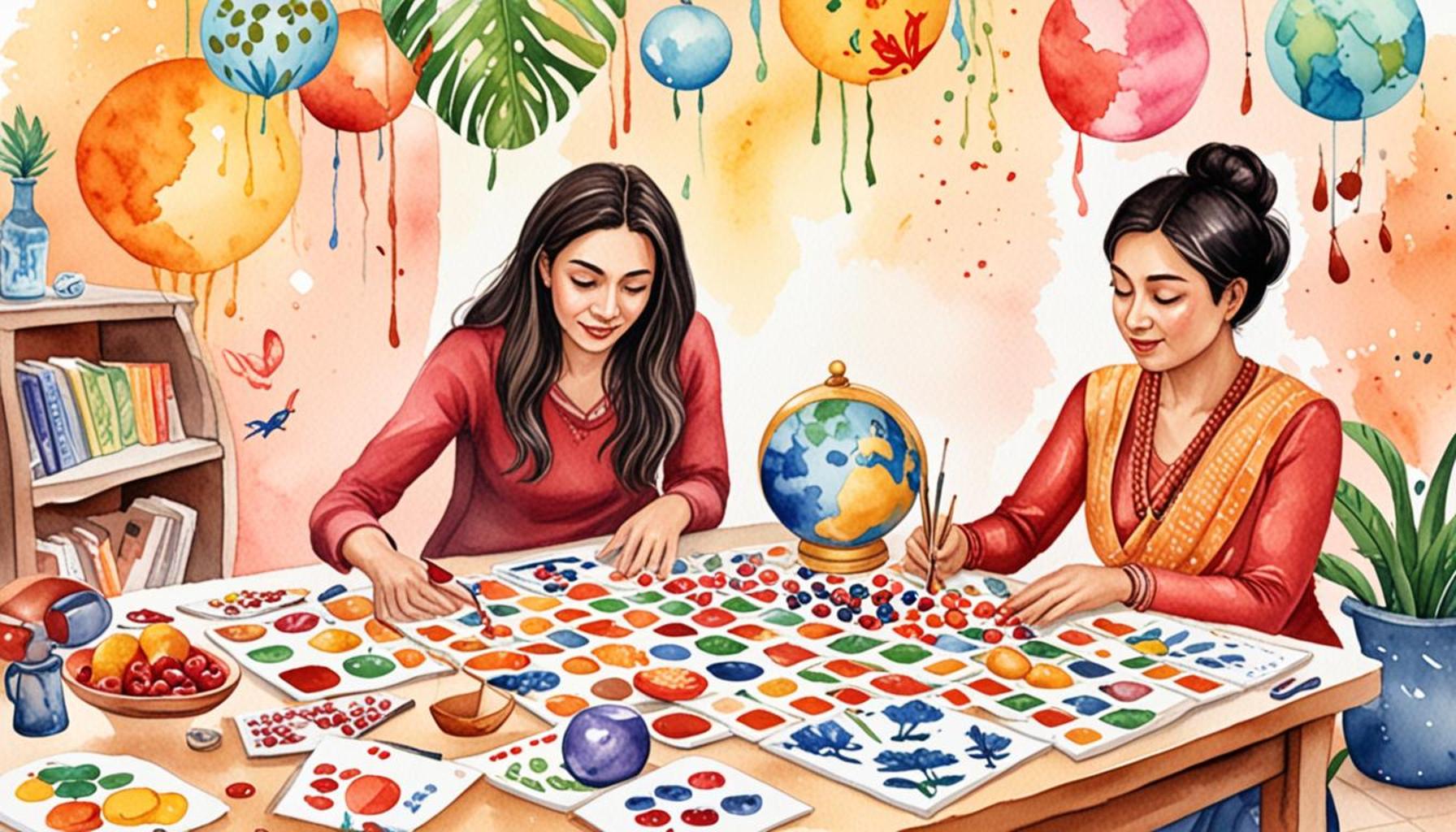
The Impact of Cultural Differences on Memory Games
Memory games have long been a universal tool for enhancing cognitive abilities across various cultures. These engaging activities not only entertain but also serve profound purposes, which vary remarkably from one culture to another. Understanding these differences reveals much about the values and learning styles inherent in each society.
Some key aspects of memory games influenced by cultural differences include:
- Game Structure: Variations in rules and formats reflect cultural values. For example, in some Indigenous cultures, memory games are played in a way that incorporates storytelling—players take turns adding to a communal story, while learning to remember details as the narrative expands.
- Learning Techniques: Different societies emphasize oral traditions or written methods, influencing how memory is tested and trained. In educational systems in countries like Finland, for instance, teaching often focuses on holistic approaches where memory games enhance learning through play.
- Methodology: Techniques such as visualization, storytelling, and association play significant roles in enhancing memory in different regions. In Japan, the use of visual mnemonics—where players visualize objects in intricate ways to assist memory—demonstrates a culturally specific approach to cognitive enhancement.
For instance, in Japan, memory games often incorporate strategy and group dynamics, reflecting the collectivist values of society. Group-based memory activities not only aim at improving individual recall but also promote teamwork and communication. This mirrors the Japanese emphasis on harmony and collaboration within communities.
On the other hand, in many Western cultures, particularly in the United States, memory games might prioritize competition and individual performance, tailored to a different set of educational goals. The popular game “Concentration,” where players match pairs of cards while racing against time, exemplifies how competition can drive engagement and memory practice in a fun, dynamic environment.
This exploration offers invaluable insights into how memory games can foster not only personal improvement but also cultural exchange. By understanding diverse methodologies, enthusiasts can enhance their memory techniques while appreciating the rich tapestry of global traditions.
Through this journey, we will unveil the fascinating world of memory enhancement strategies that span the globe, each contributing unique flavors to the art of remembering. Whether it’s through competitive edge or cooperative gameplay, the uniquely tailored approaches to memory games serve as a mirror reflecting the values, beliefs, and history of the cultures that play them. Such knowledge not only enriches our understanding of memory enhancement but also provides opportunities for cultural dialogue and mutual appreciation.
DISCOVER MORE: Click here to learn how strategy games can enhance your cognitive abilities
Diverse Strategies for Memory Engagement Around the Globe
Memory games are as varied as the cultures that embrace them, each shaped by historical context, social norms, and educational practices. The way people approach memory enhancement through games not only highlights cultural uniqueness but can also reveal shared human instincts to learn and remember. This section delves into some standout practices from various nations, illustrating how distinct cultural backgrounds influence the design and execution of memory games.
Memory Game Formats and Their Cultural Underpinnings
At the heart of memory game diversity lies the format in which these games are structured. Many societies custom-tailor their games to align with cultural narratives and community practices. For instance, in African cultures, memory games often revolve around oral storytelling where players must recall not only the plot but also the characters and details that evolve with each round. This not only fosters memory enhancement but also reinforces community bonds through shared storytelling traditions.
Conversely, in European countries like Germany and Denmark, memory games frequently employ card-matching techniques that derive from educational methodologies focusing on cognitive development. Games like “Memory” require players to pay attention and recall the locations of specific cards—the focus being on visual memory rather than auditory, reflecting Western educational values of structured learning.
Learning Techniques Tailored to Cultural Norms
The techniques employed in memory games also vary significantly due to cultural influences. In regions where oral traditions are prevalent, such as among Indigenous peoples of the Americas, players may enhance their memory using song and rhythm. This culturally embedded strategy aids in memory retention through melodies, demonstrating how music and memory intertwine across generations.
On the other hand, countries with a strong emphasis on written communication, such as many Asian cultures, integrate visual and textual cues into memory games. For example, the Chinese board game “Jinhua” utilizes Chinese characters to encourage players to make connections between sounds and visual symbols, promoting literacy alongside memory skills. This illustrates how cultural emphasis on education impacts memory game design and approach.
Cooperative vs. Competitive Play
The dynamics of gameplay can also be divided across cultural lines, often emphasizing either competition or cooperation. In cultures like those of the United States and the United Kingdom, memory games often foster a sense of competition, driving players to challenge one another in fast-paced activities such as “Simon Says” or timed card games. This competitive edge not only boosts engagement but also enhances memory through high-stakes environments.
In contrast, many Scandinavian countries promote cooperative memory games where players work together towards a common goal. This reflects the “lagom” philosophy—which promotes balance and moderation—encouraging players to communicate and strategize collectively, thus reinforcing community values while engaging the memory.
By examining these diverse strategies from around the globe, it becomes evident that memory games do more than just serve as tools for cognitive enhancement; they mirror the cultural values, teaching methodologies, and social interactions of the societies that nurture them. This rich tapestry of memory enhancement practices beckons further exploration, revealing new insights for enhancing one’s own memory techniques.
Cultural Insights into Memory Games
Memory games are not just a source of entertainment; they are deeply rooted in the cultural contexts from which they emerge. In various parts of the world, people utilize unique memory-enhancing techniques influenced by their traditions, values, and practices. For instance, in many Indigenous cultures, oral storytelling is a fundamental method through which knowledge is passed down. This not only serves to enhance memory but also to strengthen community bonds and cultural identity.
The Role of Language and Symbols
Language plays a crucial role in how memory is processed across cultures. For example, in Japan, mnemonic devices often incorporate imagery and symbolism from folklore, making the act of remembering a more engaging experience. In contrast, Western cultures might focus on more systematic approaches, such as lists and flashcards, emphasizing rote memorization. These cultural variations highlight the diverse methodologies that can be employed to enhance memory and cognitive skills.
Games as Educational Tools
Countries like Sweden embrace memory games in educational settings to foster collaborative learning environments. These games often involve creative storytelling and role play, which not only boost memory retention but also promote critical thinking and teamwork among students. This contrasts with a more solitary or competitive approach seen in other cultures, providing an enriching lens through which the educational benefits of memory games can be viewed.
Embracing Technology
In the contemporary world, technology has revolutionized memory enhancement practices globally. Apps designed with game-like features are being adopted by countries, from the United States to South Korea, merging traditional methods with modern technology. This blend of cultural heritage and digital innovation allows for a personalized approach to memory enhancement, catering to various learning styles and preferences.As we delve deeper into the impact of these memory techniques across cultures, it becomes clear that understanding these variations not only highlights the importance of memory in human experience but also enriches our global perspective on education and cognitive health. The study of such differences can encourage further exploration into how we can integrate these global approaches to improve memory enhancement strategies for everyone.
| Cultural Approach | Benefits |
|---|---|
| Oral Storytelling (Indigenous Cultures) | Fosters community bonds and enhances cultural identity through memory retention. |
| Mnemonic Techniques (Japan) | Engaging imagery improves memory recall and adds a cultural depth to learning. |
| Collaborative Learning (Sweden) | Encourages teamwork while developing critical thinking and memory skills. |
| Digital Memory Games (Global) | Personalized learning experiences that suit various cognitive styles across diverse populations. |
DISCOVER MORE: Click here to enhance your mental agility
Interactive Elements and Technological Integration
With the proliferation of technology, memory games are evolving to incorporate interactive elements that not only maintain traditional gameplay but also embrace modern digital advancements. This integration can be seen in various cultural adaptations around the globe, illustrating how different societies harness technology for memory enhancement.
Digital Memory Games and Global Trends
In countries like Japan, memory games have successfully transitioned into digital formats that attract both youth and adults. Popular mobile applications incorporate traditional Japanese games, like “Sakura Memory,” which blends vibrant graphics with classic memory challenges. This reflects the nation’s deep-rooted appreciation for aesthetics and cultural heritage while also appealing to modern gaming sensibilities. The incorporation of augmented reality (AR) within these games enhances the multisensory experience, making memory retention more immersive.
Meanwhile, in the United States, the rise of brain-training apps such as “Lumosity” and “Elevate” taps into the competitive nature that fuels many American gaming experiences. These platforms gamify memory exercises by utilizing cognitive psychology principles, providing tailored challenges in both individual and group settings. This approach not only promotes memory enhancement but also capitalizes on the culturally ingrained motivation for self-improvement and achievement.
Multilingual Memory Games and Cognitive Flexibility
Another fascinating dimension of memory games is their role in fostering cognitive flexibility, especially seen in multicultural nations. For instance, in Canada, where bilingualism is prevalent, memory games incorporating both English and French encourage players to switch between languages. This engages various cognitive processes, enhancing memory while simultaneously supporting language acquisition. Games like “Bingo Bilingue” not only serve to develop memory skills but also strengthen community ties among diverse linguistic groups.
In contrast, memory games in Brazil often reflect a blend of cultural influences from Indigenous, African, and Portuguese heritages. Games such as “Jogo da Memória” include diverse vocabulary and idiomatic expressions that require players to recall and match terms from different languages. This not only sharpens memory but also fosters a deep appreciation of Brazil’s multicultural identity.
Social Media and Memory Games: A New Frontier
Social media platforms have also emerged as fertile ground for memory game innovation. In areas such as India, where social networking is immensely popular, memory games like “QuizUp” encourage users to play against friends or strangers across the globe. Players engage in memory challenges focused on local knowledge, trivia, and culture, thus combining elements of social interaction with cognitive training. This approach highlights a collectivistic culture that values community participation and interactivity.
The integration of social media into memory games has sparked a new interest in communal activities—particularly valuable in today’s increasingly fragmented social landscape. Engaging with memory games in a social context can lead to a more profound connection among players, essentially transforming memory enhancement into a cultural experience that fosters relationships and camaraderie.
These global trends reveal how cultural variations impact not only the fundamental structure of memory games but also their formats, approaches, and shared experiences. Embracing both tradition and modernity, these innovative practices provide insights that can inform new methods of memory enhancement, bridging cultural divides through the universal language of play.
DISCOVER MORE: Click here to dive deeper
Conclusion
As we explore the rich tapestry of cultural variations in memory games, it becomes clear that these games serve a dual purpose—enhancing cognitive abilities while fostering social connections across diverse communities. From the digital adaptations in Japan to the bilingual challenges in Canada, each approach reflects unique cultural priorities and values. The evolution of memory games, especially with the integration of technology, highlights how societies are not only preserving traditional aspects but also reimagining them for contemporary players, as seen in the competitive spirit of American brain-training apps.
Furthermore, the emphasis on social interaction through games, particularly in regions like India, reveals the intrinsic human desire to connect and cooperate, making memory enhancement a communal experience rather than a solitary endeavor. This emerging trend points to a future where memory games can continue to adapt to the cultural landscapes they inhabit, offering greater cognitive benefits while respecting local practices and preferences.
In this global exploration, it is vital to recognize that enhancing memory is not merely about improving cognitive function; it is also about strengthening community bonds and celebrating cultural identities. As we continue to innovate in memory game design, we stand at the intersection of tradition and modernity, ready to discover new methodologies that respect and honor the vast array of cultural expressions. By embracing these varied approaches, we can not only promote effective memory enhancement strategies but also cultivate a deeper understanding of the profound connections that unite us through the universal language of play.