
Competitive Memory Challenges: How Tournaments and Games Foster Community and Cognitive Growth
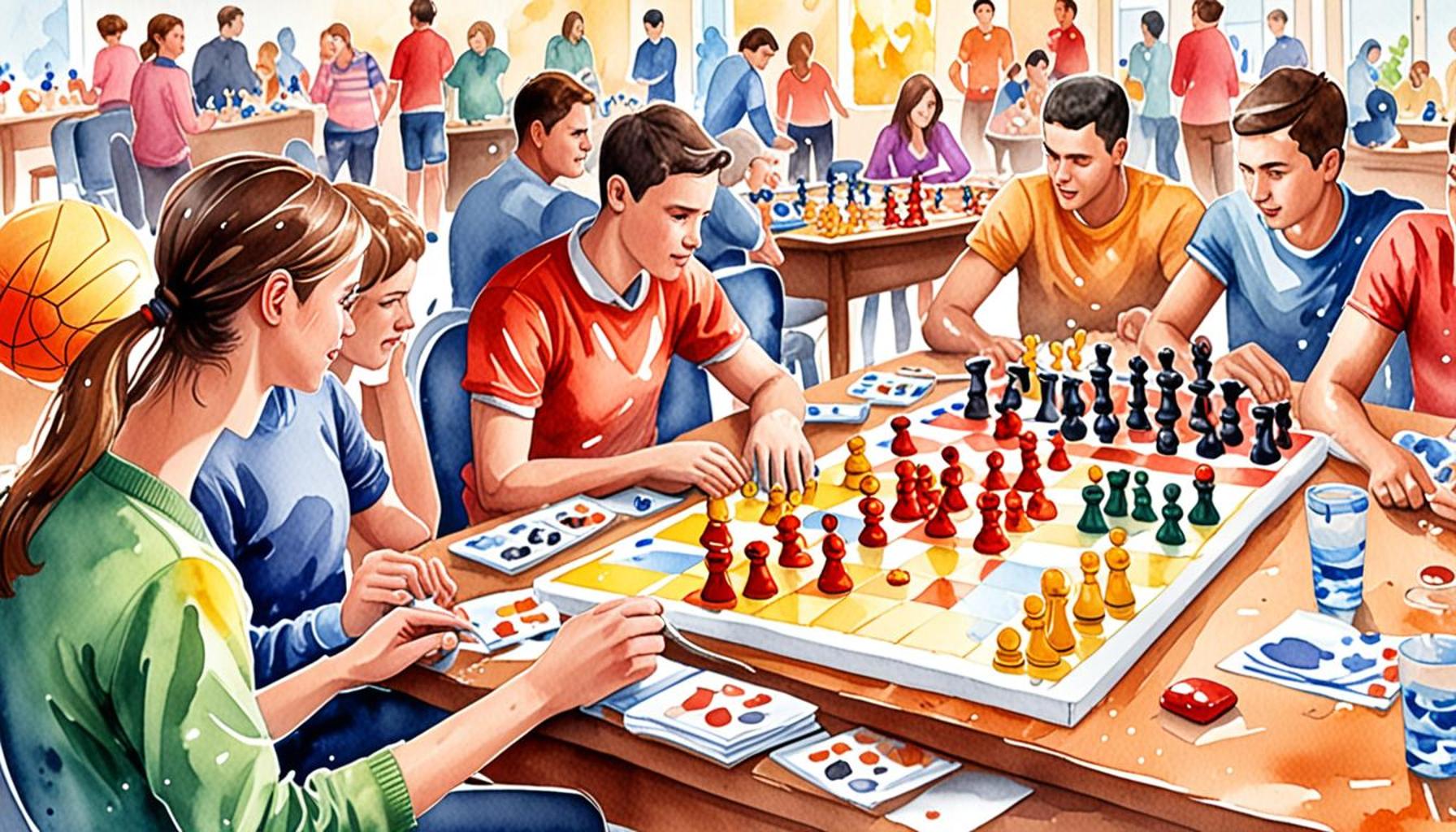
Discover the Power of Competitive Memory Challenges
In recent years, competitive memory challenges have taken the stage as exciting events that not only test cognitive abilities but also bring diverse communities together. The allure of these tournaments lies in their unique blend of entertainment and mental stimulation, creating a vibrant arena for participants of various backgrounds and skill levels.
Why participate in memory challenges? Here are a few compelling reasons:
- Cognitive Development: Engaging in memory games helps improve brain functions such as attention, focus, and recall. Studies suggest that activities stimulating the brain can delay cognitive decline, making memory challenges an excellent way for individuals to keep their minds sharp. Techniques employed in these competitions, like the method of loci and chunking, are effective tools for enhancing memory retention.
- Community Building: Tournaments encourage social interactions among participants, fostering friendships and connections. During events like the USA Memory Championships, contestants often share strategies and tips, creating a supportive environment. This sense of camaraderie can lead to long-lasting friendships that extend beyond the competitions themselves.
- Personal Growth: Overcoming challenges in competitive settings boosts confidence and self-esteem. As participants push themselves to improve and achieve personal bests, they often find that their skills translate into other areas of life, such as academics and career pursuits. Many competitors report feeling empowered after mastering complex memory techniques.
Across the United States, events like the USA Memory Championships and local memory leagues showcase remarkable talent and skill. Participants range from students to seniors, proving that age is no barrier to cognitive prowess. For example, youngsters have been known to excel in speed card competitions, while older competitors often shine in name-face associations, showcasing that practice and strategy can lead to mastery at any age.
Moreover, the rise of online platforms has enabled thousands to participate in virtual competitions, expanding the reach of these challenging games and the communities they create. Online tournaments have seen significant growth, especially during times when physical gatherings were restricted. Websites and social media groups dedicated to memory sports provide a space for enthusiasts to connect, share resources, and even host their own competitions.
As memory challenges grow in popularity, understanding their impact becomes crucial. These contests not only promote cognitive development and personal growth but also highlight the importance of community. As more individuals participate, the realm of competitive memory continues to evolve, inviting enthusiasts and newcomers alike to experience the joy and thrill of mental challenges.
In conclusion, whether you are a student looking to boost your academic performance or an adult seeking a fun and engaging way to socialize, competitive memory challenges offer an exciting opportunity. So, gather your friends, join a local tournament or explore online platforms, and dive into the fascinating world of memory sports!
DISCOVER MORE: Click here to delve into the social benefits of word games
The Impact of Competitive Memory Challenges on Cognitive Abilities
As participants delve into the world of competitive memory challenges, they unlock a treasure trove of benefits that extend far beyond mere entertainment. The cognitive enhancement achieved through these tournaments is profound, engaging various mental faculties that are crucial for daily life. Notably, regular involvement in memory competitions can lead to improvements in brain functionalities, including memory recall, focus, and problem-solving skills.
Numerous studies highlight the positive effects of these mental workouts. For example, a research study published in the journal Psychological Science found that individuals who regularly practice memory techniques exhibit better performance in various cognitive tasks. These activities stimulate neural pathways that may otherwise languish, refining thought processes that are applicable in academic and professional settings.
Participants often employ specific techniques to boost their memory, such as:
- Method of Loci: This ancient mnemonic technique involves visualizing a familiar location and associating items to be remembered with specific spots along a mental journey.
- Chunking: A strategy that breaks down lengthy information into smaller, manageable units, making it easier to memorize.
- Spaced Repetition: A learning technique where information is reviewed at spaced intervals, maximizing retention and learning.
These methods are not just effective for competitions; they are transferable skills that can significantly enhance academic performance, work efficiency, and even personal endeavors. For example, students have reported improved grades and test scores after actively participating in memory challenges, while professionals often find their work presentations more coherent and impactful.
Community Engagement Through Memory Competitions
Competitive memory challenges serve as a vibrant backdrop for community engagement, bringing together diverse groups of people motivated by a common interest. Tournaments create an environment where seasoned competitors and novices alike can congregate to share their passion for memory techniques. The collaborative spirit nurtured in these settings fosters strong bonds among participants. Events like the USA Memory Championships illustrate this phenomenon, showcasing not just the individual prowess but also the collective enthusiasm among competitors.
Many participants report that the friendships formed during memory competitions often extend beyond the arena. These connections thrive as contestants exchange tips, strategies, and support, ensuring that new entrants feel welcomed and encouraged. The sense of belonging cultivated in these competitions helps participants improve their skills while simultaneously forming a rewarding community.
Additionally, the rise of virtual memory competitions has broadened the scope of community building. Online platforms provide a unique space for individuals from various backgrounds to connect and compete, transcending geographical barriers. Participants can now engage in global tournaments, meet fellow enthusiasts through dedicated social media groups, and attend online workshops that further enhance their memory skills.
By participating in memory challenges, individuals not only sharpen their cognitive abilities but also contribute to a communal atmosphere that celebrates learning and personal growth. The positive environment encourages members to inspire one another and willingly share knowledge, making every tournament a catalyst for lasting relationships and cognitive development.
Engaging in competitive memory challenges not only sharpens cognitive skills but also plays a significant role in fostering a strong sense of community among participants. The connection between players extends beyond mere competition; it creates a network of support and encouragement that is indispensable for personal growth.One of the most intriguing aspects of competitive memory games is their ability to cater to diverse age groups and backgrounds. This inclusivity allows for a rich tapestry of experience and perspective, broadening participants’ understanding of others. For instance, local tournaments often see grandparents and grandchildren joining forces on the same team, merging wisdom with youthful energy. Such interactions can lead to memorable bonding moments and mentoring opportunities that encourage sharing of strategies and techniques, ultimately enriching the experience for all involved.Moreover, competition serves as a catalyst for improving social skills. Players learn to communicate effectively, negotiate in their team settings, and navigate the challenges that come with competing against others. These are vital life skills that transcend the gaming environment, equipping individuals to tackle real-world scenarios with greater confidence and resilience. In addition to the social benefits, competitive memory challenges are scientifically proven to enhance cognitive functions. Regular participation in such cognitive activities has been associated with improved memory retention, faster problem-solving abilities, and enhanced attention span. Cognitive psychology research indicates that engaging the brain in these stimulating environments not only strengthens neural connections but also increases brain plasticity. Ultimately, tournaments and games serve as more than just a source of entertainment; they are a dynamic platform where community spirit thrives and cognitive growth flourishes, inviting participants to explore the depths of their capabilities in a fun and supportive environment. The following table summarizes key advantages of engaging in competitive memory challenges:
| Category | Benefits |
|---|---|
| Community Building | Fosters relationships among players, encourages teamwork. |
| Cognitive Development | Enhances memory retention and problem-solving skills. |
Through these experiences, players find not only a challenge to their minds but also a vibrant community that celebrates both competition and camaraderie.
DISCOVER MORE: Click here to enhance your problem-solving skills
The Transformational Role of Memory Challenges in Personal Development
Beyond cognitive enhancement and community building, competitive memory challenges play a pivotal role in personal development and self-discovery. Participants often uncover unique strengths they never knew they possessed, fostering a deeper sense of self-awareness and resilience. These tournaments serve as a crucible where the pressure to perform pushes individuals to defy their limits and embrace challenges, leading to an empowering journey of personal growth.
An intriguing aspect of memory challenges is their emphasis on goal-setting. Competitors are encouraged to establish personal benchmarks and strive for improvement, which aligns closely with principles of positive psychology. By tracking progress in memory retention and recall, individuals experience a sense of accomplishment that can boost their overall motivation. This intrinsic drive nurtures not just better memory habits but can also translate into various life skills, such as time management and effective communication.
Building Resilience Through Competition
Moreover, the competitive nature of these events fosters resilience, a vital trait in today’s rapidly changing world. Competitors often face setbacks—be it a missed memory recall or an unexpected loss—teaching them how to cope with disappointment and bounce back stronger. As psychology research indicates, embracing challenges and learning from failures can fortify mental toughness. For instance, many seasoned competitors recount how their initial experiences in memory challenges were filled with failures, yet each setback became a lesson that paved the way to greater success.
The memory competition environment also instills a sense of accountability. Participants are often encouraged to share their aspirations with peers or mentors within the community, which can heighten motivation and foster a support system. This network not only helps individuals stay committed to their personal goals but also allows them the opportunity to mentor others, creating a circular dynamic of growth and encouragement.
Incorporating Memory Challenges in Daily Life
In addition to tournaments, memory challenges can also seamlessly integrate into daily routines, providing an ongoing framework for cognitive growth. The rise of gamified memory training apps and online platforms offers engaging ways for individuals to practice skills outside of competition. Apps such as Memrise or Anki, for example, utilize advanced spaced repetition techniques that allow users to sharpen their memory in an enjoyable format, making the practice accessible to anyone, anywhere.
Furthermore, families and friends can create their own memory games, fostering an atmosphere of learning and play. Activities like memory card games or even trivia quizzes can become regular bonding experiences, enriching relationships while enhancing cognitive abilities. This blend of fun and competition resonates deeply, showcasing how learning can happen in diverse settings.
As the world witnesses an increasing reliance on technology, the importance of memory retention and cognitive skills cannot be overstated. Competitive memory challenges create a proactive approach to mental fitness, empowering individuals to reclaim their cognitive prowess while forging meaningful connections. As participants share their achievements and hurdles, they redefine not just their personal capabilities but also the very concept of collective learning and growth.
DISCOVER MORE: Click here to enhance your mental agility
Conclusion
In a world increasingly dominated by technology, the importance of competitive memory challenges cannot be overstated. These events not only enhance cognitive abilities but also cultivate a profound sense of community among participants. The dynamic environment of memory competitions encourages individuals to push their limits and discover untapped potential, where the thrill of competition goes hand in hand with personal growth. As competitors navigate the highs and lows of performance, they develop resilience, adaptability, and a deeper understanding of their strengths and weaknesses.
Furthermore, the incorporation of memory challenges into daily life transforms mundane routines into engaging cognitive workouts. With tools such as memory training apps and interactive games, individuals of all ages can seamlessly integrate these practices into their lives, promoting not only skill enhancement but also stronger social bonds. The supportive network formed through these competitions acts as a catalyst for motivation and accountability, allowing participants to encourage each other and share resources.
As we reflect on the transformative power of memory challenges, it is evident that they not only foster cognitive growth but also redefine the essence of community learning. Engaging in competitive memory tournaments and games offers more than just a pursuit of knowledge; it cultivates relationships and enriches lives. For those seeking to challenge their minds while connecting with others, embracing these opportunities may very well lead to a brighter and sharper future.