Competition and Collaboration: How Word Games Unite People in Tournaments
Exploring the Power of Word Games
In today’s fast-paced and technology-driven society, where connecting with friends and family can sometimes feel like a challenge, word games have carved out a niche as a delightful and effective means of bringing people together. Whether at a cozy gathering in someone’s living room or during an intense tournament, these games offer a unique blend of fun and intellectual stimulation that resonates across age groups and backgrounds.
Take for instance the beloved game of Scrabble. This classic tabletop game has stood the test of time for a reason: it requires players to weave their linguistic prowess into a competitive format. Friends and family gather around the board, debating word placements and strategizing to carve out the highest-scoring combinations. As players shout out laughter and playful taunts, bonds deepen, creating a tapestry of memories that often extend far beyond the game itself.
On the other hand, Words With Friends exemplifies how technology can modernize beloved games. This app allows players to engage in Scrabble-like gameplay anywhere at any time, fostering connectivity among friends separated by miles. A casual game with a friend during lunch breaks can spark a challenge that leads to a phone-full of friendly banter, often spilling into social media discussions and even in-person meet-ups.
Another exhilarating example is Boggle, a game that packs excitement within its time limit. Players shake a grid of lettered dice and race against the clock to form words, resulting in a frenzied atmosphere filled with excitement. The pressure of completing as many words as possible in a short amount of time not only hones cognitive skills but also stirs camaraderie as players share their inventive vocabulary discoveries.
Word games strike a delicate balance between competition and collaboration, enhancing players’ vocabularies while fostering social interaction. As excitement fills the air, these interactions become a breeding ground for lasting friendships, often built on shared strategies and common interests in language.
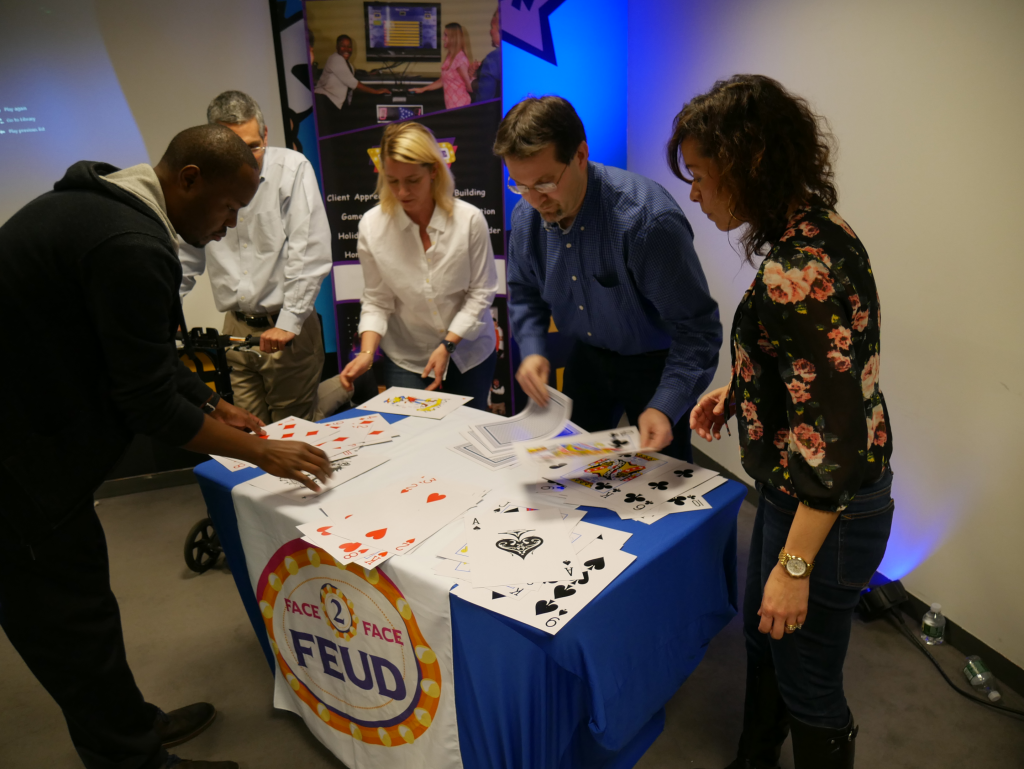
With tournaments growing in popularity across the United States, these events transform into more than mere standoffs for wordsmiths; they become public celebrations of language and community. Local libraries often host competitions that allow residents to come together and showcase their skills, while larger national championships attract competitors from diverse backgrounds, further enriching the community fabric.
Engaging in word game tournaments not only sets the stage for potential victories but also highlights the joy of shared experiences and a collective love for language. Through the intricate dance of letters crafted into words, players forge connections that extend beyond the game, building a network of friendships that can last a lifetime.
Join us in celebrating the world of word games as we uncover more about how they bond people, stimulate creativity, and cultivate a socially inclusive environment for all. Dive into the vast array of games available and consider hosting your own game night—it might just spark a new friendship!
DIVE DEEPER: Click here to uncover the journey of logic puzzles
The Dynamics of Word Game Tournaments
Word game tournaments serve as a kaleidoscope of human interaction, where competition and collaboration merge seamlessly, creating an environment ripe for relationship-building. The exciting atmosphere of these tournaments is not only fueled by the thrill of competition but also by the collective embrace of a shared love for words. Participants, ranging from seasoned players to enthusiastic newcomers, come together to engage in a battle of wits, showcasing their vocabulary while also learning from one another.
At the heart of these tournaments lies a unique community spirit. Players celebrate the joy of language and creativity, often forming alliances and friendships that extend beyond the confines of the game. For many, the experience becomes a social affair, with the added element of competition invigorating the interactions. Consider the following aspects that illustrate how word games promote collaboration amidst competitive gameplay:
- Networking Opportunities: Tournaments often attract diverse participants, providing a platform where players can connect with others who share similar interests. These gatherings facilitate meaningful exchanges that can lead to lasting friendships.
- Skill Sharing and Mentorship: Many seasoned players take on informal mentorship roles, offering advice to newer players. This exchange of knowledge fosters a sense of community as players learn from each other.
- Team Competitions: Some tournaments introduce team formats, where players collaborate to achieve common goals. This collaborative effort to strategize and share insights strengthens bonds and creates an invigorating team dynamic.
The excitement of competition is intensified when players realize that they are not just rivals but part of a larger family of word enthusiasts. The communal aspect of these tournaments is evident in the celebratory atmosphere, where participants cheer for each other’s successes and share in the joys of discovery. They engage in conversations about game strategies, word origins, and unique strategies, further enriching their gameplay experience.
In the United States, word game tournaments such as the National Scrabble Championship and the Words With Friends Tournament have gained substantial traction, drawing in crowds and participants from all corners of the nation. These events symbolize a cultural moment where individuals unite under the common umbrella of linguistic challenge and amusement. Organizers are keen to promote inclusivity, creating spaces that welcome players of all ages and backgrounds to partake in the experience. As the tournaments grow, they also extend beyond competition, incorporating workshops and social events that encourage networking and learning.
As players gather to refine their skills, engage in spirited competition, and celebrate communal camaraderie, word game tournaments exemplify the profound connections that can develop through playing. The competition they foster is matched only by the collaborative spirit that runs through every match. By participating in such events, players embark on a journey where strategy meets socialization, making word games an integral part of community engagement.
| Category | Description |
|---|---|
| Community Building | Word games encourage players to form bonds through shared experiences, fostering friendships and connections. |
| Skill Development | Engaging in tournaments enhances word knowledge, strategic thinking, and mental agility, translating to real-world benefits. |
| Inclusivity | Competitions provide a platform for players of varying skill levels to participate, promoting inclusivity in the gaming community. |
| Entertainment Value | Friendly competition brings excitement and entertainment, drawing in spectators and making the events more vibrant. |
The magic of word games lies in their dual nature of competition and collaboration. Tournaments create an environment where players not only challenge each other but also share strategies and encouragement, creating a unique blend that benefits everyone involved. As these events unfold, participants often find themselves united by a common goal—to excel while forging meaningful connections. Moreover, word game tournaments are a hub for creativity and critical thinking. Players delve into vast vocabularies, learn new words, and employ tactics that can markedly improve their cognitive abilities. The spectrum of experiences shared among players—from seasoned competitors to enthusiastic novices—illustrates how these games transcend mere entertainment, positioning themselves as essential tools for personal and communal growth.On a broader scale, the embrace of technology in word game tournaments has opened avenues for virtual competitions, expanding participation beyond geographic boundaries. Players from diverse backgrounds can now unite, showcasing their skills while celebrating the global nature of word gaming. This fosters a sense of globalization where ideas and languages intermingle, enriching the gaming landscape.As we delve deeper into the realm of word games, it becomes evident how they serve as a catalyst for connection and collaboration. Join the vibrant community and explore how engaging in tournaments can result in friendships, skill enhancements, and unforgettable experiences.
LEARN MORE: Click here to discover how logic puzzles can boost your skills
The Social Fabric of Word Game Tournaments
Word game tournaments are not just about testing one’s vocabulary and strategic thinking; they also weave together a rich tapestry of social interaction and community building. The very essence of these gatherings lies in the way they foster connections between individuals who may otherwise lead vastly different lives. Participants often discover a sense of belonging within the niche world of word games, where barriers are broken down, and shared passions take precedence over individual achievements.
One of the most striking aspects of word game tournaments is their ability to transcend age demographics. Unlike many competitive activities, which can sometimes seem exclusionary, word games appeal to players of all ages. Families, friends, and even strangers are brought together, united by their love for language. Events such as the National Scrabble Championship often see multiple generations playing side by side, creating an atmosphere of relaxed competition that fosters interaction and camaraderie across age groups.
The universality of word games can also be seen in their global reach. Although the tournaments may start locally, they have the potential to branch out internationally. Players from the U.S. can connect with enthusiasts from different countries, leading to an exchange of cultural insights through language. For instance, organizations like the World English Scrabble Players Association (WESPA) not only facilitate international competitions but also serve as a communal hub for players to share experiences, strategies, and methodologies from their unique backgrounds.
Moreover, the collaborative spirit of word games extends beyond just strategic alliances formed during tournaments. Many players actively participate in online forums and social networks dedicated to wordplay. Platforms like Facebook groups and Reddit communities create additional spaces where players can discuss moves, analyze opponents, and even organize meet-ups for face-to-face competition. This ongoing dialogue between sessions encourages continuous learning and strengthens the community bond.
There are also tangible benefits within tournament frameworks designed to promote collaboration. For example, many tournaments include team-building exercises or collaborative games that necessitate teamwork. These initiatives often add a layer of fun and strategy that can lead to more in-depth discussions about tactics and play styles. Participants engage actively, pooling their insights and experiences, leading to mutual skill enhancement that benefits everyone involved.
The use of technology in word game tournaments cannot be overlooked. Many events have adopted digital platforms to enhance the experience, allowing for live streaming of matches and real-time engagement with viewers. This inclusivity extends beyond the venue, inviting individuals from around the globe to participate virtually. Such technologies serve to amplify the community experience, merging competition with collaboration on a larger stage while allowing fans to cheer from afar.
Coupled with these innovations are aspects of social responsibility that tournament organizers increasingly prioritize. Many events champion local causes or charity initiatives, channeling the passion of word game enthusiasts into meaningful contributions. By participating in these tournaments, players become part of a larger mission—a coalition of word lovers dedicated not only to honing their skills but also to giving back to the communities that support them.
Thus, the unifying power of word games in tournaments goes beyond merely competing for the highest score. They create an expansive network of players, rooted in collaborative learning, cultural exchange, and community support. The dynamic interplay of competition and collaboration not only enriches the participants’ experiences but also reinforces the foundational role of language as a connector in society.
DISCOVER MORE: Click here for insights on boosting creativity
Conclusion: Embracing the Word Game Community
In conclusion, the phenomenon of word game tournaments stands as a testament to the unique blend of competition and collaboration that defines the human experience. These gatherings are much more than a battleground for lexical prowess; they are vibrant arenas where individuals from diverse backgrounds converge to share their passion for language. Through structured competitions like the National Scrabble Championship and innovative online platforms, players not only sharpen their skills but also foster invaluable connections that transcend geographical and generational divides.
The social layers of these tournaments highlight the importance of community in nurturing lasting relationships. Participants engage in collaborative strategies, share insights, and develop friendships that often extend beyond the chessboard of letters. As technology continues to enhance the tournament experience, the opportunity to connect with players worldwide further enriches this community. With organizations such as the World English Scrabble Players Association promoting international exchange, the unifying power of word games reaches a global scale, celebrating cultural diversity in language.
Ultimately, the dual nature of competition and collaboration in word games not only enhances players’ capabilities but also cultivates a spirit of camaraderie and mutual support. The ongoing relationships built in these environments extend to shared charity initiatives, emphasizing the profound purpose that goes beyond mere play. As participants unite under the banner of words, they embody the belief that the love for language can bridge divides and create a more connected world. In exploring or participating in this dynamic landscape, readers are encouraged to join in the conversation, expanding their horizons and discovering the enriching world of word games.