Cognitive Benefits of Playing Strategy Games: Enhancing Problem Solving and Critical Thinking Skills

Unlocking the Mind: The Impact of Strategy Games
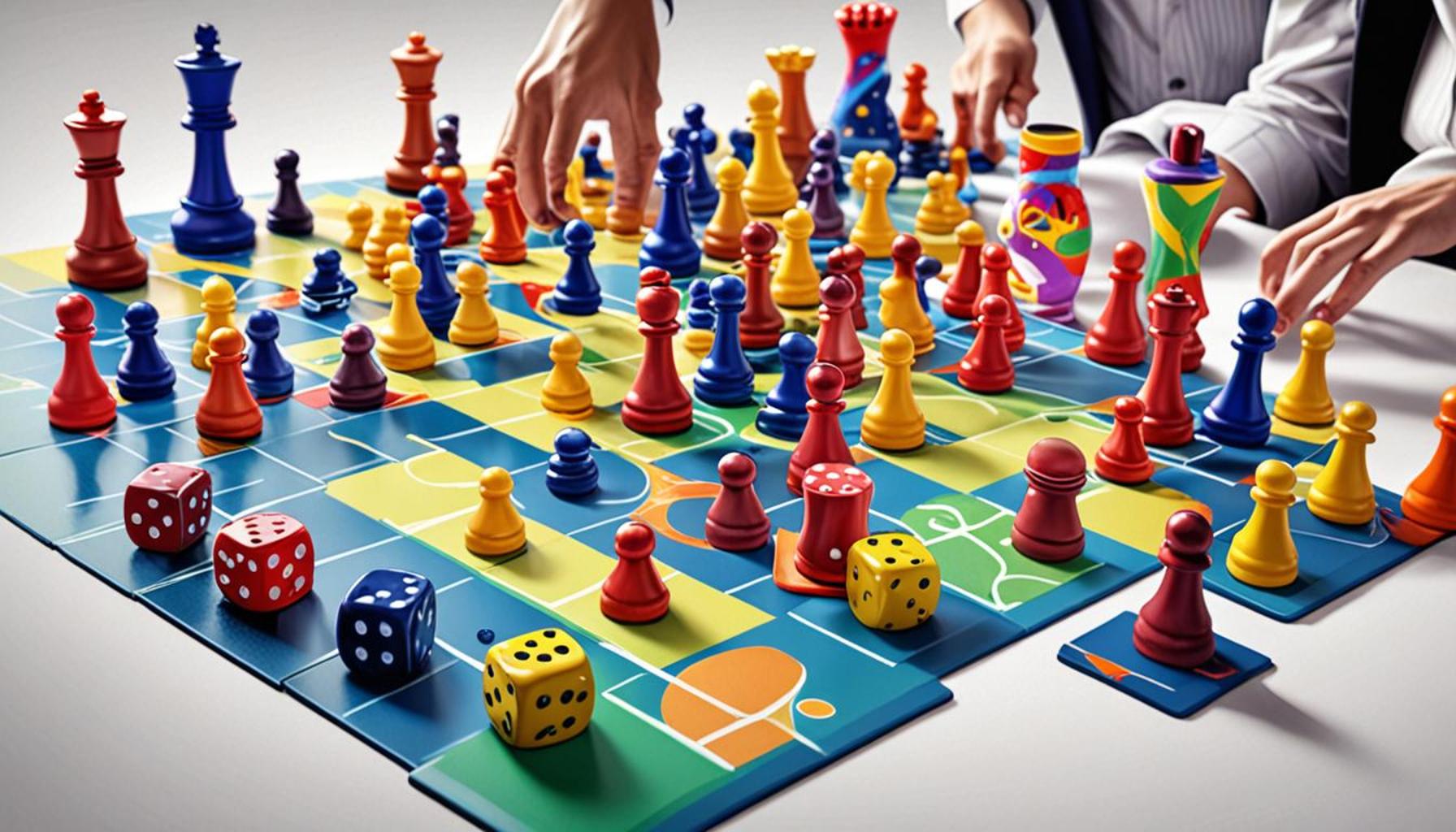
In today’s fast-paced world, the ability to think critically and solve problems effectively is more crucial than ever. One engaging avenue that fosters these skills is through strategy games. These games serve as a training ground for the mind, offering players a unique opportunity to sharpen their cognitive abilities through an array of challenges that require thoughtful consideration and foresight.
Consider the following benefits of immersing oneself in strategy games:
- Enhanced Problem Solving: Players learn to devise plans, anticipate outcomes, and adjust strategies on the fly. For example, in a game like chess, a player must consistently predict their opponent’s moves while formulating their own strategies. This dynamic forces players to think several steps ahead, thereby enhancing their problem-solving skills in real-life contexts.
- Cognitive Flexibility: Engaging with different scenarios fosters adaptability and creative thinking. Games like Settlers of Catan require players to think on their feet, adapting their strategies based on the evolving state of the game, which can translate into improved adaptability in everyday situations.
- Improved Attention to Detail: Many strategy games require players to focus on multiple variables simultaneously. For instance, a player of StarCraft must manage resources, troops, and territory while monitoring the actions of opponents, sharpening their ability to notice subtle shifts in situations that might affect outcomes.
- Better Memory Recall: Games often involve remembering rules and strategies, which can boost memory skills. In games such as Magic: The Gathering, understanding the myriad of cards and their abilities becomes paramount, enhancing overall memorization ability.
Strategy games are not limited to classic board games or video games; they also include live-action role-playing and online multiplayer games that involve teams strategizing in real-time. The appeal lies in the multifaceted skills players can develop while having fun, creating a blend of entertainment and education that is hard to resist.
As you dive deeper into the realm of strategy games, you may discover new perspectives on how they not only entertain but also contribute to personal and intellectual growth. Engaging in these games can set the stage for elevated critical thinking and pragmatic decision-making skills that are invaluable in both academic and professional spheres. In an age where technology evolves rapidly, such cognitive training through strategy games is more relevant than ever, opening pathways that extend beyond the confines of the game board and into everyday life.
DISCOVER MORE: Click here to learn about memory challenges and cognitive health
The Cognitive Playground: How Strategy Games Shape Thinking
Strategy games are more than mere entertainment; they are complex puzzles that challenge players to engage their minds in ways that enhance their problem-solving and critical thinking skills. The mechanics of these games cultivate a mindset geared towards strategic reasoning, where players must navigate obstacles and seize opportunities. As one delves deeper into these games, the cognitive benefits become increasingly evident, revealing a compelling relationship between strategy gaming and intellectual development.
One major cognitive benefit of playing strategy games is the proliferation of enhanced problem-solving skills. In typical gameplay, participants are often faced with unique challenges that require innovative solutions. For instance, take the tabletop game Risk, where players formulate military strategies to outmaneuver opponents. Success hinges on assessing complex board dynamics and analyzing how each decision may alter the future landscape. This constant cycle of planning, implementing, and revising strategies not only reinforces problem-solving skills in-game but also translates to real-life situations where decision-making can impact outcomes significantly.
Additionally, strategy games foster cognitive flexibility. Unlike simpler games that rely chiefly on chance, strategy games present players with scenarios where adaptability and creative thinking are paramount. In games like Ticket to Ride, players must respond to the choices of their opponents while pursuing their objectives. This requirement to pivot and reformulate plans enhances the brain’s capacity to shift gears quickly, a skill that becomes increasingly useful in a rapidly changing world. Research suggests that cognitive flexibility contributes to improved adaptability in school, work, and social interactions, making it a vital asset for personal development.
Moreover, the intricate nature of many strategy games demands a heightened attention to detail. Players must juggle multiple elements, often relying on a keen perception of subtle changes in their surroundings. Consider the strategic complexities of Warhammer 40,000, where managing an army involves tracking various statistics, unit strengths, and battlefield conditions. This focus on detail ultimately sharpens a player’s ability to process vast amounts of information and respond effectively, skills that are invaluable not only in gaming but also in academic and professional settings.
In the expansive world of strategy gaming, enhancing memory recall is another key benefit. Players are often required to memorize rules, strategies, and the characteristics of various game components. A game such as Magic: The Gathering necessitates familiarity with hundreds of cards, each with its own unique abilities and combinations. Engaging in such memory-intensive tasks can improve cognitive functions related to memorization and recall in everyday life, reinforcing the brain’s capacity to retain and retrieve information.
Thus, as players immerse themselves in the world of strategy games, they can develop a rich set of cognitive skills that promote problem-solving and critical thinking. The interactive nature of these games allows for a practical application of theoretical concepts, highlighting their profound impact on cognitive growth. With the right approach and mindset, players can unlock a treasure trove of intellectual benefits, proving that the journey into strategy gaming is as enriching as it is entertaining.
| Category | Benefits |
|---|---|
| Improved Analytical Skills | Strategy games require players to assess situations critically, enhancing their analytical thought processes. |
| Enhanced Decision-Making | Players learn to make quick decisions under pressure, which translates to better decision-making in real-life scenarios. |
As players engage in complex strategy games, they are immersed in environments that challenge their problem-solving abilities. This interactive experience fosters an atmosphere where critical thinking becomes second nature. For instance, players might be tasked with overcoming obstacles or defeating opponents, compelling them to devise creative tactics and adaptive strategies. Moreover, research indicates that continued exposure to these games can cultivate a mental resilience that encourages players to view challenges as opportunities for growth rather than setbacks. Interestingly, the skills acquired through gaming extend beyond the digital realm, empowering individuals in professional settings with enhanced cognitive flexibility and an aptitude for analyzing multifaceted problems. By investing time in these digital battlefields, players are not merely entertained; they are sharpening their mindsets, vowing to hone their skills for both present and future challenges.
DISCOVER MORE: Click here to enhance your mind with strategy games
Mastering the Mind: The Role of Strategy Games in Cognitive Development
In addition to enhancing problem-solving skills, strategy games are instrumental in fostering logical reasoning. Players must evaluate situations critically and make decisions based on evidence rather than impulse. For instance, in the game Chess, each move involves predicting an opponent’s strategy while simultaneously plotting one’s own course of action. This deep level of foresight and analysis hones a player’s ability to assess risks and benefits, a skill that can be directly applied in academic pursuits and professional environments, where analytical thinking is crucial. The structured environment of these games also encourages players to justify their decisions with logical reasoning, thereby reinforcing the critical thinking process.
Another key advantage of engaging in strategy games is the development of decision-making under pressure. Players frequently encounter high-stakes scenarios that demand swift yet thoughtful action. For example, in the real-time strategy game StarCraft, players must make rapid decisions based on constantly changing conditions. This ability to perform well under pressure is not only valuable in gaming but is also essential in situations such as emergency response, high-pressure business negotiations, or critical academic tests. Research shows that players who regularly engage in such games exhibit superior stress management skills, leading to improved outcomes in high-stress environments.
Furthermore, strategy games provide a platform for collaborative problem-solving, where teamwork is equally as vital as individual strategy. Games like Pandemic require players to work together to devise collective strategies against the spread of diseases. Through communication and joint efforts, individuals learn the importance of different perspectives and the value of diverse thinking. Such teamwork not only builds social skills but also cultivates a deeper understanding of group dynamics and conflict resolution, critical elements in both academic settings and workplace environments.
The engagement with abstract thinking is another cognitive advantage gleaned from playing strategy games. Players often need to think beyond the concrete and visualize potential outcomes. Titles such as Settlers of Catan require players to strategize resource allocation and trade opportunities, often necessitating a consideration for not only their current position but also the potential future positions of opponents. This abstract thinking mirrors many life situations where individuals must predict future trends and make informed strategies based on limited information.
Moreover, the multilayered conflicts and dilemmas found in strategy games serve to improve executive function, which encompasses the mental processes needed for reasoning, planning, and multitasking. Games like Age of Empires require players to manage time, resources, and units effectively while balancing military and economic strategies. Regular engagement with these complex tasks can enhance a player’s ability to prioritize tasks and develop a more organized approach to personal and professional challenges, leading to greater productivity and effectiveness.
As the landscape of gaming continues to evolve, the implications for cognitive development become even more pronounced. Strategy games incorporate a wealth of opportunities for intellectual growth and personal enrichment. The skills cultivated through these systems create a strong foundation for adaptable, strategic thinkers, preparing players not only to succeed in games but equipped to tackle the myriad challenges life presents.
DISCOVER MORE: Click here to enhance your skills
Unlocking Intellectual Potential: The Lasting Impact of Strategy Games
In conclusion, the realm of strategy games extends far beyond mere entertainment; it serves as a powerful tool for enhancing cognitive skills that are pivotal in navigating the complexities of everyday life. The advantages gained from playing these games—ranging from improved problem-solving abilities and logical reasoning to adeptness in decision-making under pressure—spark a compelling case for their inclusion in educational and developmental frameworks.
Engaging with diverse strategy games cultivates not just individual prowess but also enriches collaborative skills, emphasizing the importance of communication and teamwork in achieving common goals. These interactive experiences shape adaptive thinkers who can approach challenges with a multifaceted perspective, an essential quality in both academic ventures and professional environments.
Moreover, the opportunities to practice abstract thinking and enhance executive function within the structured yet dynamic playspaces of strategy games have ramifications that extend into various real-life situations. As players strategize their gameplay, they mirror the real-world scenarios that demand critical analysis, resource management, and swift decision-making.
Given the mounting evidence supporting the cognitive benefits of these games, educators, parents, and individuals alike should advocate for their inclusion not just for leisure but as a method of cognitive enrichment. As we embrace this innovative approach to learning and growth, strategy games offer an engaging way to strengthen vital skills that prepare us all for success in an increasingly complex world.