Menu

Cultural Variations in Memory Games: Exploring Global Approaches to Memory Enhancement

Memory games across cultures showcase diverse approaches to memory enhancement, influenced by societal values and educational practices. From collaborative storytelling in Indigenous cultures to competitive strategies in Western societies, these engaging games reflect unique cultural identities while fostering cognitive skills and community connections globally.

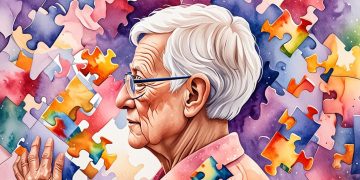
The Role of Memory Challenges in Aging: Keeping the Mind Sharp Through Puzzles

As aging impacts memory, engaging in puzzles emerges as a vital strategy for cognitive health. These activities not only enhance problem-solving skills and memory retention but also promote social interaction, making them an effective tool for keeping the mind sharp amidst memory challenges associated with aging.

Memory Challenges in the Digital Age: Balancing Technology and Brain Training

In today's digital age, technology significantly impacts memory retention and cognitive abilities, leading to challenges like information overload and reduced attention spans. To navigate these issues, incorporating brain training practices, mindfulness, and engaging with analog learning methods can enhance memory and maintain a balanced relationship with technology.

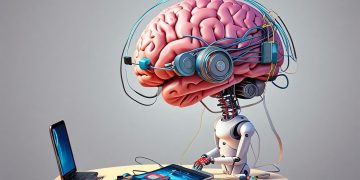
The Future of Memory Challenges: Integrating Artificial Intelligence in Cognitive Games

The article explores how artificial intelligence is transforming cognitive games, especially memory challenges. By personalizing experiences, providing real-time feedback, and adjusting difficulty levels, AI enhances player engagement and educational potential. These innovations support cognitive development and therapy, paving the way for improved mental health and learning strategies.

The Evolution of Memory Games: From Traditional Puzzles to Modern Apps

Memory games have evolved from traditional puzzles like Concentration and jigsaw challenges to innovative mobile apps that enhance cognitive skills. Modern games feature customizable difficulty levels, interactive graphics, and social connectivity, transforming memory training into an engaging experience for players of all ages, promoting cognitive development and fun.

The Science of Memory: How Mind Games and Puzzles Enhance Cognitive Function

Engaging in mind games and puzzles significantly boosts cognitive function and memory improvement. These activities promote neuroplasticity, enhance problem-solving skills, and foster social interaction, all essential for mental health. By integrating brain training into daily routines, individuals can enjoy both fun and profound cognitive benefits, aiding lifelong mental agility.

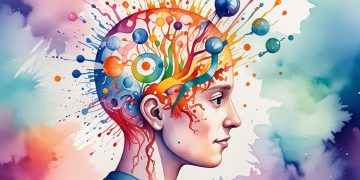
Memory Challenges and Neuroplasticity: How Puzzles Can Reshape the Brain

Memory challenges affect many, but engaging in puzzles can enhance neuroplasticity and cognitive function. By stimulating brain pathways through various types of puzzles, individuals can improve memory retention, problem-solving skills, and mental resilience, making puzzles a fun and effective strategy for combating cognitive decline.

Mindfulness and Memory: How Meditation Practices Can Enhance Performance in Memory Challenges

This exploration reveals how mindfulness and meditation practices can significantly improve memory performance. By enhancing focus, reducing stress, and fostering cognitive flexibility, mindfulness techniques promote better information retention and neuroplasticity. Integrating these practices into daily routines supports cognitive health, aiding individuals in navigating memory challenges effectively.

Social Memory Challenges: Building Relationships and Teamwork Through Collaborative Puzzles

In today's remote work landscape, collaborative puzzles enhance social memory and foster strong relationships among team members. These engaging activities improve communication, problem-solving skills, and trust, laying the groundwork for effective teamwork and a supportive workplace culture. Embracing social memory challenges empowers organizations to build cohesive, resilient teams.

The Impact of Storytelling on Memory Games: Enhancing Recall Through Narrative Techniques

Storytelling significantly enhances memory games by fostering emotional engagement, providing cognitive structure, and enabling vivid imagery. Incorporating narratives boosts recall and retention, transforms learning experiences, and creates relatable contexts. This approach empowers players to connect deeply with material, leading to improved memory performance in educational and professional settings.