Brain Teasers and Neuroscience: What Happens in the Brain During Resolution
Unraveling the Mysteries of the Mind
Every time we grapple with brain teasers, a captivating journey begins within our minds. The intricate web of neurons fires up, leading to profound changes in the brain’s architecture. Understanding this process unravels not only the thrill of solving puzzles but also illuminates the fascinating world of neuroscience.
The Connection Between Puzzles and Neuroscience
When faced with a challenging brain teaser, several key brain regions come into play, including:
- Frontal lobes: These regions are the headquarters for problem-solving, decision-making, and planning. When you engage with a brain teaser, your frontal lobes become highly active as they sift through possible solutions and evaluate their viability.
- Parietal lobes: This area is crucial for spatial and mathematical reasoning. Tasks that require calculations, such as figuring out patterns and sequences, significantly activate the parietal lobes, enhancing not just math skills but also overall cognitive flexibility.
- Temporal lobes: Involved in memory recall and pattern recognition, the temporal lobes play a vital role when you attempt to relate new information from the puzzle to knowledge you’ve previously acquired.
As we encounter these challenges, various processes are triggered in the brain:
- Activation of neural pathways: Solving brain teasers reinforces and creates new connections between neurons, boosting cognitive functions such as memory, logical reasoning, and creativity.
- Release of neurotransmitters: Engaging in mental challenges releases neurotransmitters like dopamine, which enhances mood and motivation. This release creates a rewarding feeling, motivating individuals to tackle even more challenging puzzles.
- Formation of new connections: The practice of solving puzzles not only strengthens existing neural pathways but also encourages the formation of new synapses, essential for learning throughout life.
Delving deeper into how our brain operates during such mental exercises sheds light on both cognitive development and emotional resilience. For instance, studies indicate that regular engagement with brain teasers can serve as a preventive measure against cognitive decline associated with aging. Older adults who regularly challenge their brains show better memory retention and cognitive flexibility compared to those who do not.
Moreover, the therapeutic effects of brain teasers extend beyond mere cognitive enhancement. They can also provide a sense of accomplishment and reduce anxiety, akin to the effects of mindfulness meditation. The process of solving these puzzles offers a break from day-to-day stressors, allowing individuals to immerse themselves in a focus-driven state, which is both rewarding and relaxing.
Exploring the intersection of brain teasers and neuroscience offers not just answers but also encourages further investigation into the human mind’s vast capabilities. With various forms of brain teasers available—ranging from Sudoku and crossword puzzles to logic games—individuals are invited to not only challenge themselves but also to embark on a fascinating journey through their own cognitive landscapes.
DIVE DEEPER: Click here to uncover the evolution of word games
The Cognitive Dance: How Brain Teasers Engage Our Minds
The act of solving brain teasers is far more than just a recreational activity; it is a complex cognitive process that unveils the extraordinary capabilities of the human brain. Each time we engage with a puzzle, our brain navigates through a maze of thoughts and neural activations, leading to various mental states and feelings. What truly happens in the brain when we take on these mental challenges? Delving into this question reveals a rich tapestry of neural interactions that foster not only mental agility but also a deeper understanding of our cognitive functioning.
Neural Networks in Action
Every brain teaser we encounter lights up multiple neural networks across different regions of the brain. Here’s a closer look at some aspects of this fascinating engagement:
- Enhanced Problem-Solving Skills: Engaging with brain teasers activates a cluster of brain areas collectively responsible for analytic reasoning and strategic thinking. This is primarily centered in the frontal lobes, where cognitive flexibility is required to adapt and modify strategies based on emerging patterns or clues from the puzzle.
- Stress Relief and Cognitive Flexibility: Interestingly, the persistence required to solve a brain teaser can often reduce stress and improve emotional stability. As the brain grapples with challenges, it promotes a sense of calmness, somewhat akin to the effects of being deeply absorbed in a hobby or a meditative practice.
- Cross-Regional Collaborations: The resolution of brain teasers isn’t isolated to one area but is instead a harmonious collaboration among various brain regions. The parietal lobes engage in spatial reasoning, and the temporal lobes invoke memory recall, blurring the lines between different types of cognitive functions.
This cerebral choreography not only hones problem-solving skills but also encourages emotional resilience. Research indicates that individuals who regularly challenge their brains with puzzles often report higher levels of satisfaction and well-being—benefits that extend beyond mere intellectual gains.
Studies have also shown that engaging with brain teasers may improve neuroplasticity—an essential mechanism for learning that allows the brain to grow and adapt. Regular puzzle solvers are not only better prepared to tackle everyday problems but often display enhanced memory retention and information processing abilities. A correlation has been found between those who engage in brain teasers and a reduced risk of cognitive decline in later years. This highlights the profound implications that simple activities like solving Sudoku or riddles can have on one’s long-term mental health.
Moreover, the multitasking nature of brain teaser resolution fosters versatility in thinking. Each challenge can vary in complexity, forcing the brain to adapt rapidly. Regular exposure forces our brain to innovate, creating new solutions and strengthening pathways that are crucial for both analytical thinking and creativity, thus reinforcing the vital importance of lifelong learning.
As we continue to explore this intersection of brain teasers and neuroscience, we begin to appreciate the significance of mental exercises in shaping the functioning of our brains. From improving cognitive capabilities to enhancing emotional health, brain teasers emerge as not just enjoyable puzzles but powerful tools for mental growth.
| Advantage | Description |
|---|---|
| Enhancing Cognitive Flexibility | Engaging the brain in brain teasers promotes the ability to switch thinking strategies, thereby aiding problem-solving and adaptability. |
| Boosting Memory Retention | Working through complex challenges can strengthen neural pathways, enhancing memory and recall abilities. |
| Stimulating Brain Activity | Brain teasers activate multiple regions in the brain, which can enhance overall neural connectivity and improve cognitive performance. |
| Encouraging Patience and Persistence | Tackling challenging puzzles promotes resilience and the importance of perseverance in achieving goals. |
Incorporating brain teasers into our daily routines can lead to remarkably beneficial changes in our cognitive functions. As we apply these mental exercises, we not only uncover the mysteries of our brain’s processing power but also enhance our capabilities in ways we may not have considered before. Each solved puzzle offers a glimpse into the intricate processes of neuroscience, allowing us to appreciate the complexities of thought and emotion tied to our cognitive experiences. The exploration of what happens in the brain during resolution can invoke a deep curiosity, urging individuals to delve further into the fascinating relationship between neuroscience and problem-solving dynamics.
DIVE DEEPER: Click here to discover the impact of brain teasers on children’s growth
The Neurochemical Symphony: How Brain Teasers Influence Brain Chemistry
As we delve deeper into the fascinating world of brain teasers and their impact on our cognitive health, it becomes evident that the brain’s response goes beyond mere electrical activity; it also involves a rich tapestry of neurochemicals that influence how we think, feel, and perform. Understanding this neurochemical symphony sheds light on the myriad benefits that brain teasers offer, transforming them from mere recreational activities into powerful agents for mental enhancement.
The Role of Neurotransmitters
At the heart of brain function lies a delicate balance of neurotransmitters, the chemical messengers that facilitate communication between neurons. Engaging with brain teasers triggers the release of several key neurotransmitters, which can profoundly affect mood and cognition:
- Dopamine: Often referred to as the “feel-good” neurotransmitter, dopamine is released when we solve a brain teaser. This not only creates a sense of pleasure and accomplishment but also reinforces behavior, encouraging us to tackle even more challenges. Research highlights that this dopamine surge can enhance motivation and focus, two critical elements in problem-solving.
- Serotonin: This neurotransmitter plays a crucial role in regulating mood and anxiety levels. When we successfully unwind a complex riddle or puzzle, serotonin production is boosted, which can lead to sustained feelings of well-being and contentment. Regularly engaging in brain teasers can therefore help combat negative emotions, fostering a more positive mental state.
- Acetylcholine: Known for its involvement in memory and learning, acetylcholine is particularly active during cognitive tasks requiring concentration and memory recall. Mastering a particularly tricky brain teaser involves recalling previous strategies and solutions, activating this vital neurotransmitter and supporting memory enhancement.
This dynamic interplay of neurotransmitters not only highlights the immediate gratification and mental engagement that brain teasers provide but also underscores their long-term cognitive benefits. Over time, consistent engagement with puzzles may lead to more profound changes in brain chemistry, enhancing our overall cognitive resilience.
Brain Connectivity and Efficiency
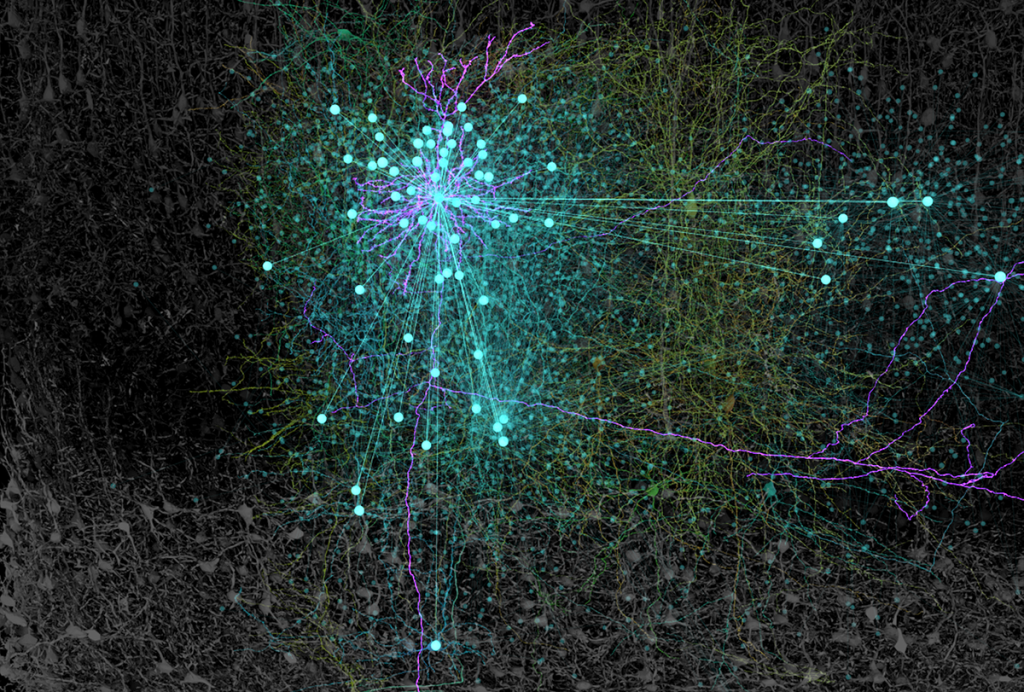
Recent studies in neuroscience reveal that solving brain teasers can significantly influence functional connectivity within the brain. When we encounter a challenge, our brain must connect different areas to process and integrate information effectively. This higher degree of connectivity can lead to improved cognitive efficiency, allowing for quicker problem-solving and better decision-making.
Functional MRI (fMRI) studies show that individuals who regularly solve puzzles exhibit enhanced neural connectivity, particularly between the prefrontal cortex and other brain regions involved in memory and reasoning. This enhanced communication network makes brain teasers an excellent tool for fostering creativity, as it encourages the brain to draw connections between seemingly unrelated ideas.
Moreover, research has indicated that the mental efforts required to resolve brain teasers might protect against cognitive decline, especially in older adults. Engaging the brain in continuous problem-solving acts as a form of mental exercise that strengthens neural pathways, making the brain more resilient against conditions such as Alzheimer’s disease and other forms of dementia.
In summary, the neurological benefits of engaging with brain teasers are multifaceted. From boosting neurochemical activity to enhancing brain connectivity, these puzzles serve as a powerful mechanism for promoting cognitive health throughout the lifespan. As we continue to navigate the intersections of brain teasers and neuroscience, it becomes increasingly clear that these seemingly simple challenges hold significant potential for enriching our mental capabilities and overall well-being.
DISCOVER MORE: Click here to learn how strategy games can enhance your cognitive skills
In Conclusion: Unlocking the Hidden Potential of Brain Teasers
The intricate relationship between brain teasers and neuroscience reveals a compelling narrative about our cognitive processes. From the neurochemical responses that enhance mood and motivation to the increased connectivity that promotes better problem-solving abilities, the act of engaging with brain teasers stimulates the brain in significant ways. This engagement leads not only to immediate gratification through the release of rewarding neurotransmitters like dopamine and serotonin but also facilitates long-term cognitive resilience.
As studies continue to unveil the profound effects of solving puzzles on brain functionality, it becomes clear that these mental challenges serve as a vital tool for both personal growth and mental health maintenance. They serve not only to occupy our time but are integral to bolstering memory and fostering creativity. By strengthening neural pathways and enhancing communication between various brain regions, brain teasers represent a proactive approach to combat potential cognitive decline, particularly in aging populations who may benefit from regular mental exercise.
In light of this exciting research, it is worth exploring the world of brain teasers more deeply. By incorporating them into our daily routines, whether through written puzzles, apps, or interactive games, we can harness the potential of our brains. Ultimately, brain teasers stand out not only as enjoyable pastimes but also as enriching exercises that maximize our cognitive capabilities, encouraging us to think critically and creatively long into the future.