Brain Teasers and Mindfulness: How Mental Challenges Can Help Reduce Stress
Unlocking Relaxation Through Mental Challenges
With the ever-increasing pace of modern life, many individuals face heightened stress levels, making it all the more important to discover effective strategies for relaxation. One innovative approach that has caught the attention of mindfulness practitioners and mental health specialists alike is the integration of brain teasers into daily routines. Engaging with brain teasers does not just stimulate cognitive processes; it also fosters a sense of mindfulness, distracting the mind from life’s burdens and promoting a centered, calm state.
Examining the benefits of integrating brain teasers into your lifestyle reveals a multitude of advantages:
- Enhanced Focus: Solving puzzles like crosswords, sudoku, or riddles demands acute concentration, effectively diverting your attention from stressors and fostering a state of flow. This redirection of focus can be compared to methods employed in mindfulness meditation, where attention is trained to remain on a single point, whether that may be the breath or an image.
- Mindfulness Practice: The act of immersing oneself in a brain teaser encourages being present, allowing individuals to tune out distractions and worries momentarily. This practice can transform routine moments into time for personal reflection, reinforcing mental wellbeing.
- Cognitive Benefits: Engaging regularly with brain teasers can significantly enhance problem-solving capabilities and improve overall mental agility. Studies show that puzzle-solving exercises stimulate various cognitive functions, leading to sharper reasoning and analytical skills.
Across the United States, a plethora of brain teasers is available for individuals seeking mental engagement. From well-loved activities such as crosswords and sudoku to new-age options like online logic puzzles and mobile apps, these challenges vary in difficulty and style, catering to diverse interests. For example, apps such as Lumosity and Elevate offer tailored challenges designed to stimulate different areas of your cognitive skills. Notably, research has linked these fun yet challenging activities to reduced symptoms of anxiety and depression, highlighting the therapeutic potential of play in mental health.
Furthermore, incorporating brain teasers into your daily regimen can be as simple as setting aside a few minutes each day. This small investment of time can lead to considerable mental benefits. As you delve deeper into the connection between brain teasers and mindfulness, you may uncover ways these mental challenges can not only enhance your cognitive capacities but also transform your approach to stress management. Embrace the journey into the fascinating intersection of cognition and relaxation, where engaging your mind can pave the way to a calmer, more balanced self.
DIVE DEEPER: Click here to discover the evolution of word games
The Cognitive Connection: Brain Teasers as Stress Relievers
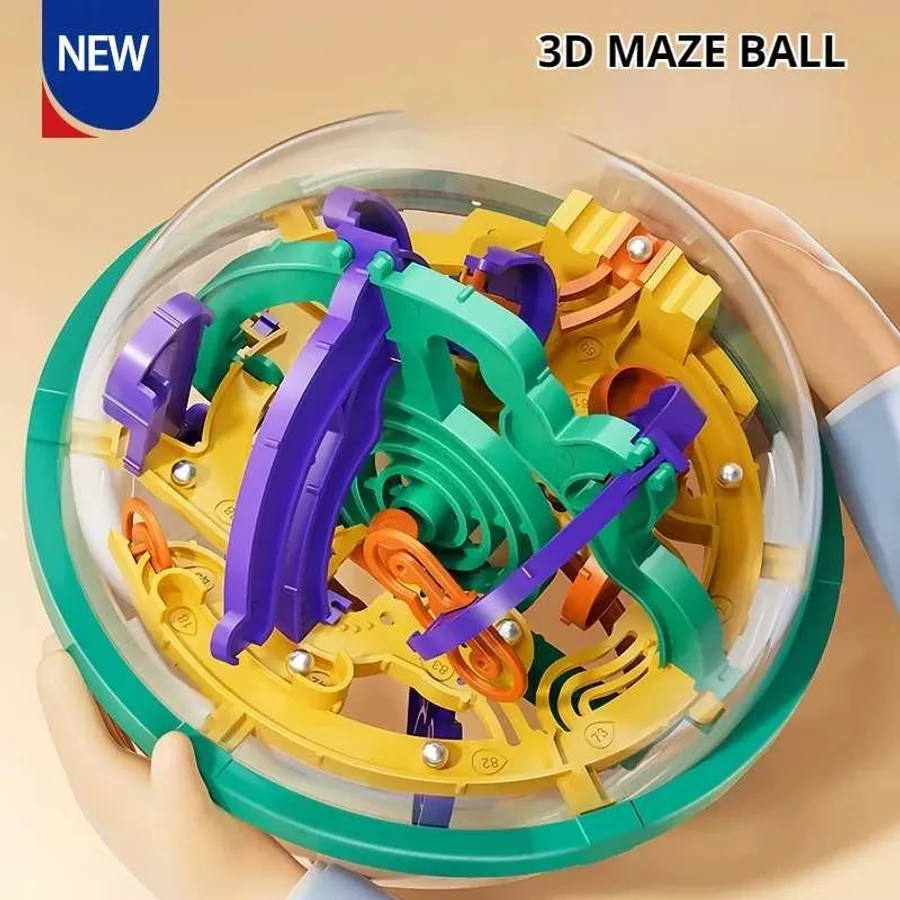
Engaging with brain teasers isn’t just a recreational pastime; it possesses remarkable potential for alleviating stress and enhancing mental clarity. As we delve into the intricate relationship between cognitive challenges and mindfulness, it becomes clear that these activities can serve as essential tools for individuals in search of calm amid chaos. When individuals take the time to solve brain teasers, they activate parts of their brain dedicated to creativity and problem-solving, facilitating not only cognitive engagement but also emotional well-being.
One of the most profound effects of working through brain teasers is the ability to shift cognitive gears. Often, when people face overwhelming stressors, their thought processes can become clouded by anxiety and worry. However, immersing oneself in a crossword or a logic puzzle effectively redirects focus to a simpler goal: solving the puzzle. This temporary detachment from stress allows for a clearer mind, mirroring the principles of mindfulness, which emphasizes being fully present in the moment.
Moreover, brain teasers stimulate neural pathways, promoting mental resilience. Engaging with these challenges not only strengthens mental agility but also encourages a sense of accomplishment upon completion. This satisfaction can be particularly beneficial when combating feelings of inadequacy or helplessness often associated with stress. As individuals puzzle through complicated clues or number grids, they experience moments of victory that can boost self-esteem and promote positive thinking.
- Improved Mood: Numerous studies have shown that engaging in enjoyable cognitive activities can lead to enhanced mood and emotional stability. The dopamine released during these moments of achievement contributes to an overall sense of well-being.
- Social Connection: Solving brain teasers is often a communal activity, whether through collaboration in a crossword or competition in sudoku tournaments. This social aspect fosters connections with others, which can be particularly valuable for individuals experiencing stress or loneliness.
- Structured Time Investment: Allocating specific time slots for puzzle-solving can create a sense of routine and structure. This predictability plays a vital role in fostering feelings of control, an essential factor in managing stress.
As brain teasers gain popularity in the United States, their role in improving mental well-being only becomes clearer. Many communities host puzzle events, promoting both social interaction and cognitive engagement. From local libraries hosting trivia nights to coffee shops featuring puzzle competitions, the emergence of brain teasers in various social contexts only underscores their effectiveness as stress relievers.
In summary, dedicating time to brain teasers can serve as a delightful reprieve from the often overwhelming chaos of life. By steering focus away from worries and toward problem-solving, one can cultivate a greater sense of mindfulness and manage stress more effectively. As we explore deeper into the correlation between mental challenges and stress reduction, it becomes evident that these engaging activities are more than mere brain exercises; they are stepping stones toward a more balanced and relaxed existence.
| Category | Description |
|---|---|
| Cognitive Engagement | Engaging with brain teasers stimulates neural pathways, enhancing brain function. |
| Stress Reduction | Solving mental challenges can lead to a sense of accomplishment, reducing anxiety levels. |
As we explore the relationship between brain teasers and mindfulness, it’s essential to understand how cognitive engagement plays a fundamental role. Introducing mental challenges through structured puzzles can serve as a powerful tool for enhancing cognitive functions. These activities require focus, which can shift your attention away from stressors, effectively calming your mind and promoting a meditative state. Furthermore, the process of solving games or riddles actively engages your brain, providing a workout for your cognitive abilities. This heightened engagement not only sharpens problem-solving skills but also encourages creativity, which is essential for tackling daily challenges. Many find that after a session of puzzles, their overall stress levels decrease, and a greater sense of well-being emerges.Utilizing brain teasers as a method of mindfulness can foster an environment where you actively confront stress rather than avoiding it. By challenging yourself mentally, you cultivate resilience and develop better coping mechanisms that are beneficial in both personal and professional settings. This approach doesn’t just help in reducing stress temporarily; it contributes to long-term mental clarity and emotional stability.
DISCOVER MORE: Click here to learn about the social benefits of word games
Unlocking Potential: The Science Behind Brain Teasers and Stress Relief
As we further explore the connection between brain teasers and mindfulness, it is important to recognize the science that underpins the effectiveness of these mental challenges in mitigating stress. Numerous studies suggest that engaging with puzzles can foster neuroplasticity—the brain’s ability to reorganize itself by forming new neural connections throughout life. This adaptability is crucial for maintaining mental health, particularly in times of stress.
Brain teasers involve a variety of cognitive processes, including problem-solving skills, critical thinking, and pattern recognition, all of which stimulate the brain in unique ways. For instance, a study published in the journal *Neuropsychology* indicates that elderly individuals who engage in brain games experience slower cognitive decline over time. While the results primarily focus on aging populations, the same principles apply to people of all ages. By challenging the brain regularly, individuals can enhance their mental acuity and combat stress more effectively.
Furthermore, the act of concentrating on a brain teaser can create a form of structured distraction that is beneficial for stress management. When faced with the demands of daily life, attention can easily shift to overwhelming thoughts and worries. However, the focused nature of solving puzzles allows individuals to ground themselves in the present moment, akin to mindfulness meditation techniques. This cognitive respite promotes a sense of clarity, reducing the mental clutter that can exacerbate stress levels.
- Cognitive Flow State: Engaging in brain teasers can lead to a state of flow, where individuals become completely absorbed in the task at hand. This immersion not only boosts mood but also promotes enhanced productivity, helping to curb the negative impacts of a fast-paced lifestyle.
- Physical Health Benefits: The relationship between mental and physical health can’t be overlooked. The stress-relieving benefits of brain teasers can translate to lower levels of cortisol, a hormone associated with stress. High cortisol levels can lead to various health issues, including cardiovascular problems. Therefore, by engaging in these mental challenges, individuals not only support their cognitive health but also their overall well-being.
- Mindfulness Practice: Integrating brain teasers into daily routines can complement existing mindfulness practices. For example, setting aside time for puzzles after meditation or yoga can deepen focus and enhance relaxation, creating a holistic approach to stress management.
The growth of mobile apps offering a plethora of brain teasers—including Sudoku, jigsaw puzzles, and word searches—has made these resources more accessible than ever. These tools can serve as valuable additions to anyone’s mindfulness toolkit. A 2021 survey reported that almost 60% of participants found puzzle apps to be effective in alleviating feelings of stress during chaotic times. This suggests a growing awareness of the link between cognitive challenges and emotional health in a digital age.
Ultimately, by understanding the cognitive mechanisms that underpin the effectiveness of brain teasers, individuals can harness these activities as even more powerful resources in their quest for mindfulness and stress reduction. Combining enjoyment with mental engagement creates opportunities not only for personal growth but also for cultivating resilience and health in what can often feel like an overwhelming world.
DIVE DEEPER: Click here to enhance your brainpower
Embracing Mental Challenges for a Stress-Free Life
In conclusion, the integration of brain teasers into our daily routines serves as a compelling method to bolster mindfulness and alleviate stress. The cognitive benefits associated with these mental challenges are not only profound but also scientifically backed, positioning them as effective tools for enhancing one’s emotional well-being. As we have explored, engaging in activities that stimulate problem-solving skills and critical thinking fosters neuroplasticity, allowing our brains to adapt and thrive even amidst life’s pressures.
The appeal of brain teasers lies not only in their ability to entertain but also in their capacity to create a structured distraction—a crucial factor in managing overwhelming feelings. This cognitive immersion lets us escape from the chaos of everyday life, granting us the clarity needed to refocus on the present moment. Through the shared experiences of others, as seen in the growing trend of puzzle applications, it becomes clear that many are discovering the mental peace that can arise from solving puzzles, further cementing the connection between mental engagement and stress relief.
Ultimately, the journey towards a more mindful existence can be enriched with brain teasers as part of a holistic approach to stress management. By embracing these mental challenges, individuals can not only enhance their cognitive abilities but also build resilience, promoting a healthier mind and body in an increasingly complex world. As we move forward, let us explore the myriad of puzzles available, and engage wholeheartedly with the transformative power they offer in our quest for tranquility and mental clarity.