Menu

Strategy Psychology Boost Cognitive Skills with Strategy Games

Mind games and puzzles are crucial for enhancing cognitive abilities. Engaging in these activities boosts critical thinking, problem-solving, and concentration. Popular strategy games challenge the brain, encouraging users to develop creative solutions and improve mental agility, ultimately sharpening skills that are valuable both in daily life and professional environments.

Social Benefits of Word Games Enhancing Communication Connection

Word games and puzzles enhance cognitive abilities while offering social connectivity. They boost vocabulary and sharpen problem-solving skills. Engaging in such activities with others fosters communication, strengthens relationships, and provides an enjoyable means of bonding. This combination promotes mental dexterity and community, making word games a valuable pastime.

Memory Challenges Impact on Elderly Cognitive Health Key Insights

Engaging in mind games and puzzles can enhance cognitive health in the elderly by boosting memory and problem-solving skills. These activities stimulate brain function, potentially delaying cognitive decline and improving overall mental agility, making them attractive tools for sustaining mental health in later life.

Boost Your Brain Cognitive Benefits of Word Games for Vocabulary Memory

Unlock the cognitive benefits of word games and puzzles, which enhance vocabulary and memory. These engaging activities stimulate the brain, boost problem-solving skills, and improve concentration. Perfect for all ages, they offer an enjoyable way to keep the mind sharp and agile.

Cognitive Benefits of Playing Strategy Games: Enhancing Problem Solving and Critical Thinking Skills

Strategy games enhance cognitive skills by fostering problem-solving and critical thinking. Players develop decision-making under pressure, memory recall, and cognitive flexibility, while also honing attention to detail and logical reasoning. Engaging in these games encourages collaboration and abstract thinking, enriching intellectual growth and providing valuable real-life applications.

Memory Challenges in Daily Life: Techniques to Enhance Retention and Recall

Memory challenges can disrupt daily life, impacting relationships and productivity. Fortunately, effective techniques exist to enhance retention and recall, such as mnemonic devices, visualization, and spaced repetition. Adopting healthy lifestyles, including exercise, nutrition, and mindfulness, further supports cognitive health and improves memory performance.

The Role of Memory Challenges in Cognitive Health: How Puzzles Can Prevent Decline

As memory challenges rise among older adults, engaging in puzzles emerges as a powerful strategy for enhancing cognitive health. These activities not only improve problem-solving and memory but also promote stress reduction and concentration, making them vital tools in combating cognitive decline and preserving brain function as we age.

The Evolution of Strategy Games: From Chess to Digital Battlefields

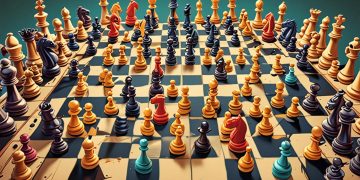
Explore the fascinating evolution of strategy games from ancient chess to modern digital battlefields. This journey showcases the transition from classic board games to immersive online experiences, emphasizing tactical thinking and community engagement. Discover how technology and cultural shifts continue to shape the future of strategy gaming.

The Evolution of Word Games: From Tradition to Digital

Word games have evolved from traditional family pastimes to dynamic digital experiences. This transformation enhances vocabulary, cognitive skills, and social interaction, bridging generations through competitive gameplay. Modern platforms and technology not only expand accessibility but also foster global connections, ensuring word games remain a beloved and engaging form of entertainment.

The Importance of Word Games in Cognitive and Linguistic Development

Word games enhance cognitive and linguistic development, fostering critical thinking, vocabulary growth, and memory retention. They promote social interactions and cultural awareness across age groups. By integrating these engaging activities into daily routines and educational settings, individuals can unlock their potential for lifelong learning and effective communication.