
The Evolution of Strategy Games: From Board to Digital

The Rise of Strategy Games
For centuries, strategy games have captivated audiences, blending creativity with critical thinking. From simple board games in ancient times to complex digital platforms today, the journey of these games reflects advancements in technology and shifts in player preferences.
A Brief History
The evolution of strategy games can be traced through various milestones:
- Ancient Board Games: Games like Chess and Go, both originating from different cultures—Chess from India and Go from China—laid the groundwork for strategic thinking. Chess became a metaphorical battlefield, where players engage in a duel of wits, while Go emphasizes a more expansive approach to territory control.
- Classic Tabletop Games: Titles such as Risk, which simulates global domination through tactics, and Settlers of Catan, focusing on resource management and trading, became ubiquitous in American homes. These games introduced a social element to strategy, as friends and family gathered around the table to outmaneuver or collaborate with one another.
- Digital Revolution: The emergence of video games in the late 20th century introduced innovations such as real-time strategy (RTS) games like StarCraft and multiplayer online battle arenas (MOBAs) like League of Legends. This shift not only expanded the genre’s reach but also introduced elaborate gameplay mechanics and graphics that appealed to a new generation of players.
Key Features of Strategy Games
As the genre evolved, several key features remained essential:
- Resource Management: Players must allocate resources wisely to secure victory, whether managing armies in a war simulation or gathering materials in a survival context. The need for efficient resource allocation is a common thread across various strategy games, forming the backbone of strategic decision-making.
- Player Interaction: Interaction remains vital, as players engage through competition or collaboration. In games like Diplomacy, negotiation and alliances can make or break a strategy, adding layers of social skill to the strategy equation. Even in RTS games, the need for players to adapt to others’ moves fosters a dynamic gaming environment.
- Critical Decision-Making: Each move can lead to victory or defeat, emphasizing the importance of strategy. Players must think several steps ahead, often weighing immediate gains against long-term consequences. This depth of decision-making is a hallmark of both board and digital strategy games.
This transformation from physical pieces to digital avatars has broadened accessibility but also fostered a vibrant global community. Platforms like Steam and gaming consortia have created opportunities for players worldwide to connect, compete, and collaborate, thus contributing to a shared culture around strategy games. As we explore this evolution further, we will uncover how these changes have shaped the gaming landscape and continue to influence both casual players and serious strategists alike. Whether through the nostalgic pull of a traditional board game night or the exhilarating rush of a competitive online match, strategy games are poised to remain a significant part of the entertainment spectrum for years to come.
DISCOVER MORE: Click here to delve deeper
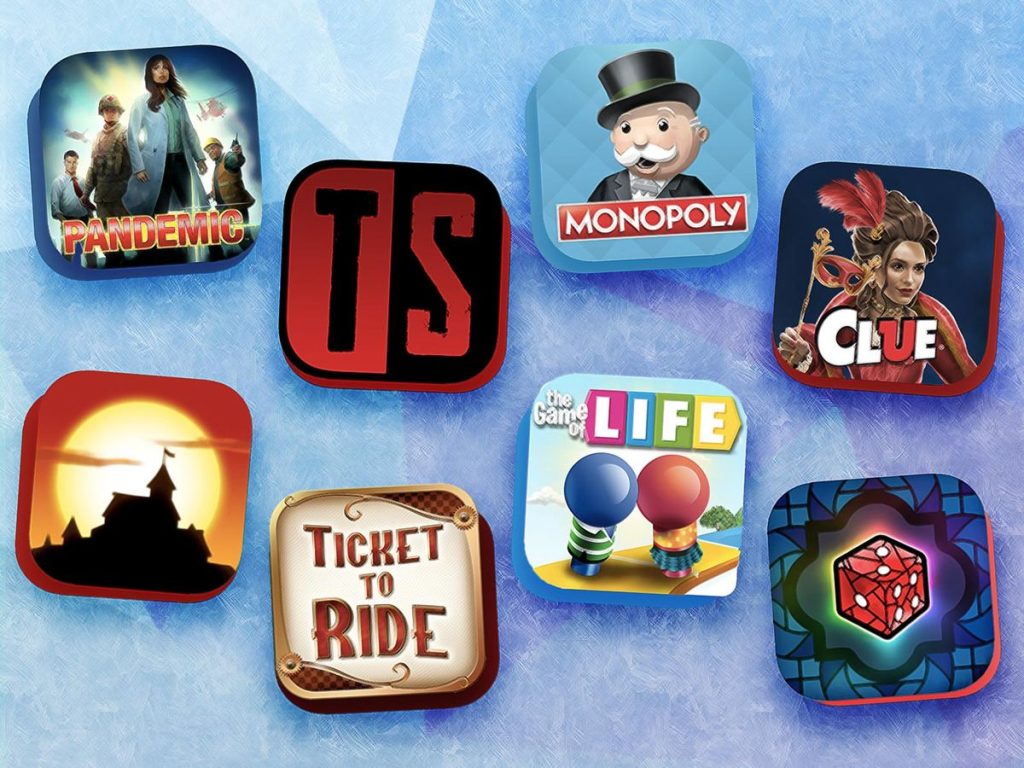
From Pieces to Pixels: The Transition of Strategic Play
The transformation of strategy games from board games to digital formats has not only altered how players engage with these games but has also expanded their reach into diverse demographics. Understanding this shift illuminates the broader cultural and technological influences that have shaped strategy gaming over time.
The Intermediate Steps
Following the classic tabletop games of the 20th century, the 1990s witnessed significant milestones that helped bridge the gap between physical and digital strategy:
- Early Computer Strategy Games: Initially, strategy games like Dune II (1992) and Command & Conquer (1995) began to set the stage for digital interactive play. These early titles inherited the resource management and tactical depth unique to traditional tabletop experiences. They did not just replicate board games; they expanded their complexity and strategic elements, leading to immersive experiences that required players to think critically about their every move.
- Rise of the Internet: With the rise of the internet in the 1990s and early 2000s, multiplayer online strategy games flourished. Titles like Age of Empires allowed players to compete globally, demonstrating how strategy could transcend geographic limitations. Players could now form alliances, betray each other in real-time, and develop intricate strategies against opponents worldwide.
- Mobile Strategy Revolution: The 2010s marked a pivotal evolution in gaming, with mobile devices making strategy games accessible to a broader audience. Games like Clash of Clans and Hearthstone utilized touch interfaces, creating a new layer of engagement and immediacy. This transition democratized strategy games, allowing players to engage in competitive play on-the-go, influencing how strategy was designed and consumed.
These developments signify a shift from the physical tactical battles of the past to the digital landscapes of the present. As technology progressed, so did the interactions players had within these worlds. Together, they created a less static, more fluid interaction where implications of strategy became all-encompassing. The importance of community and social connectivity, once limited to a living room table, expanded into online forums, gaming clans, and multiplayer matches. Each evolution challenged traditional gameplay mechanics while inviting new audiences to participate in strategic challenges.
In examining the evolution from board games to digital platforms, one can appreciate how the genre has transformed to keep pace with technological advancements. Despite the ever-changing formats and environments, the core principles of strategy—resource management, critical thinking, and player interaction—remain unchanged, suggesting a stable foundation upon which future innovations will stand. As we explore further, we will uncover how these deciding factors not only paved the way for new gameplay experiences but also how they continue to shape the dynamics of gaming in today’s world.
The Evolution of Strategy Games: From Board to Digital
As we delve deeper into the evolutionary journey of strategy games, it’s essential to recognize the substantial advancements brought forth by digital technology. The digital transformation of strategy games has not only altered the way they are played but also how players engage with them. With a plethora of platforms available, players can now immerse themselves in rich narratives and complex gameplay that was once confined to traditional board games.One of the most significant transitions lies in the ability to access a vast library of games from anywhere, thanks to mobile technology. Devices such as smartphones and tablets have made strategy games more accessible than ever. With just a few clicks, players can download and dive into intricate worlds, often competing with others across the globe. This global connectivity fosters a sense of community and competition previously unseen in the realm of board games.Additionally, digital strategy games frequently incorporate features like real-time updates and expansions, enhancing the gameplay experience. This aspect keeps players engaged and offers them the opportunity to discover new strategies with each update, breathing new life into familiar formats. Moreover, the use of AI (artificial intelligence) in these games offers vastly different experiences each time they are played, mirroring the unpredictability of playing against a human opponent.Finally, we must not overlook the innovative design elements that digital platforms provide. From stunning graphics to intricate animations, the aesthetics of these games can significantly enhance player immersion. Meanwhile, audiovisual narratives deepen storytelling elements, allowing players to not just strategize but also to emotionally invest in their gaming experience.In the spirit of this transformation, let’s explore the advantages that have emerged in the transition from traditional board games to their digital counterparts through the following table:
| Category 1 | Category 2 |
|---|---|
| Accessibility | Players can engage from anywhere on mobile devices. |
| Interactivity | Dynamic gameplay with global community interaction. |
| Updates & AI | Regular expansions and artificial intelligence create diverse experiences. |
| Aesthetics | High-quality graphics and narratives enhance immersion. |
This transformation highlights not just a shift in mediums, but a revolutionary evolution in gameplay that continues to engage and inspire players around the world. The evolution from board to digital represents not just a change in format but a profound shift in the landscape of strategy gaming, showcasing the endless possibilities technology brings to the gaming community.
DISCOVER MORE: Click here to learn about the benefits of word games
Expanding Horizons: The New Age of Strategy Gaming
As strategy games transitioned into the digital sphere, they not only retained core gameplay elements from their board game ancestors but also incorporated innovative features and storytelling techniques that transformed player experiences. This evolution has sparked a renaissance in gameplay design, appealing to both traditional enthusiasts and newcomers alike.
Innovative Genres and Game Mechanics
The integration of new technologies facilitated the emergence of novel genres within the strategy gaming landscape. Real-Time Strategy (RTS) games like StarCraft II and turn-based strategies such as Civilization VI deftly illustrate how game mechanics were reimagined for digital play. In RTS games, players engage in more immediate, high-stakes tactical battles, requiring quick reflexes and rapid decision-making, while turn-based options allow for contemplative strategy and planning as players harness resources and build civilizations over generations.
Another critical development is the rise of the deck-building genre, highlighted by games such as Slay the Spire and Ascension. These games leverage card mechanics to facilitate strategic play, where players build their decks in real-time, opening avenues for personalized strategies that are dynamic and fluid. The strategic depth created by combining elements of chance and skill resonates with players, attracting a diverse audience.
Role of Artificial Intelligence
Furthermore, the infusion of artificial intelligence (AI) into strategy games has reshaped gameplay experiences. Advanced AI algorithms enable more realistic and unpredictable opponent behaviors, creating a challenging environment that can adapt to a player’s skill level. Games like Into the Breach and Civilization VI utilize AI to construct compelling narratives and present players with a variety of scenarios that demand strategic flexibility and innovation. The constant evolution of AI ensures that no two gameplay experiences are identical, enriching the replayability factor and enhancing player engagement.
Community and Streaming Culture
Perhaps the most significant change in strategy gaming is the influence of community and the rise of streaming platforms. Twitch and YouTube have transformed gaming into a spectator sport, enabling players to share strategies, showcase gameplay, and critique tactics in real-time. The social aspect of online interactions has led to the formation of subcultures centered around specific games, fostering cooperative and competitive scenes that enrich the overall experience. Competitive esports events, like the League of Legends World Championship and Dota 2 International, emphasize strategic prowess on a global stage, drawing massive audiences and creating lucrative opportunities for players and sponsors alike.
The community not only engages with games but actively contributes to their evolution through modding and user-generated content. This interaction allows passionate players to create new missions, units, and scenarios, further personalizing their experiences and pushing the boundaries of traditional gameplay. By empowering players to influence game design, developers foster a symbiotic relationship that benefits both creators and consumers.
As strategy games continue to evolve with advancements in technology and shifts in player expectations, they remain a vital part of the gaming landscape. The blend of deep strategic choices with immersive storytelling and robust community involvement indicates that the journey from board to digital is more than a change in format; it’s a transition that paves the way for innovation and creativity in gaming for generations to come.
DIVE DEEPER: Click here to uncover the journey of logic puzzles
Conclusion: Charting the Future of Strategy Games
The journey of strategy games from traditional board formats to immersive digital experiences exemplifies a remarkable evolution that continues to captivate players around the globe. As we have explored, the advent of digital technology has not only preserved the strategic essence from its board game predecessors but has also unleashed a plethora of innovative genres and mechanics that cater to a wider audience. The rise of real-time strategy and deck-building games stands testament to this adaptive evolution, providing unique gameplay experiences that challenge both seasoned strategists and newcomers alike.
The integration of artificial intelligence has further revolutionized gameplay, offering players dynamic and unpredictable challenges that enhance engagement and replayability. Adding to this layered experience is the burgeoning community and streaming culture, which fosters social interaction, encourages sharing of strategies, and elevates gaming to a form of spectator entertainment. Platforms like Twitch and YouTube have democratized the narrative of strategy games, turning them into collaborative experiences that engulf audiences in complex storytelling and competitive environments.
As we look to the future, the potential for further innovation in the strategy gaming genre appears limitless. With ongoing advancements in technology, evolving player expectations, and increased community involvement in game development, it is clear that the evolution from board games to digital formats is just the beginning. The strategic landscapes that will emerge in the coming years promise to define new realms of creativity and engagement, ensuring that strategy games will remain a critical pillar of the gaming community for generations to come. The past, present, and future of strategy games beckons all adventurers to explore and engage, making this an exciting time to be a part of this dynamic landscape.