The Impact of Strategy Games on Human Socialization and Interaction
Exploring the Connection Between Strategy Games and Human Interaction
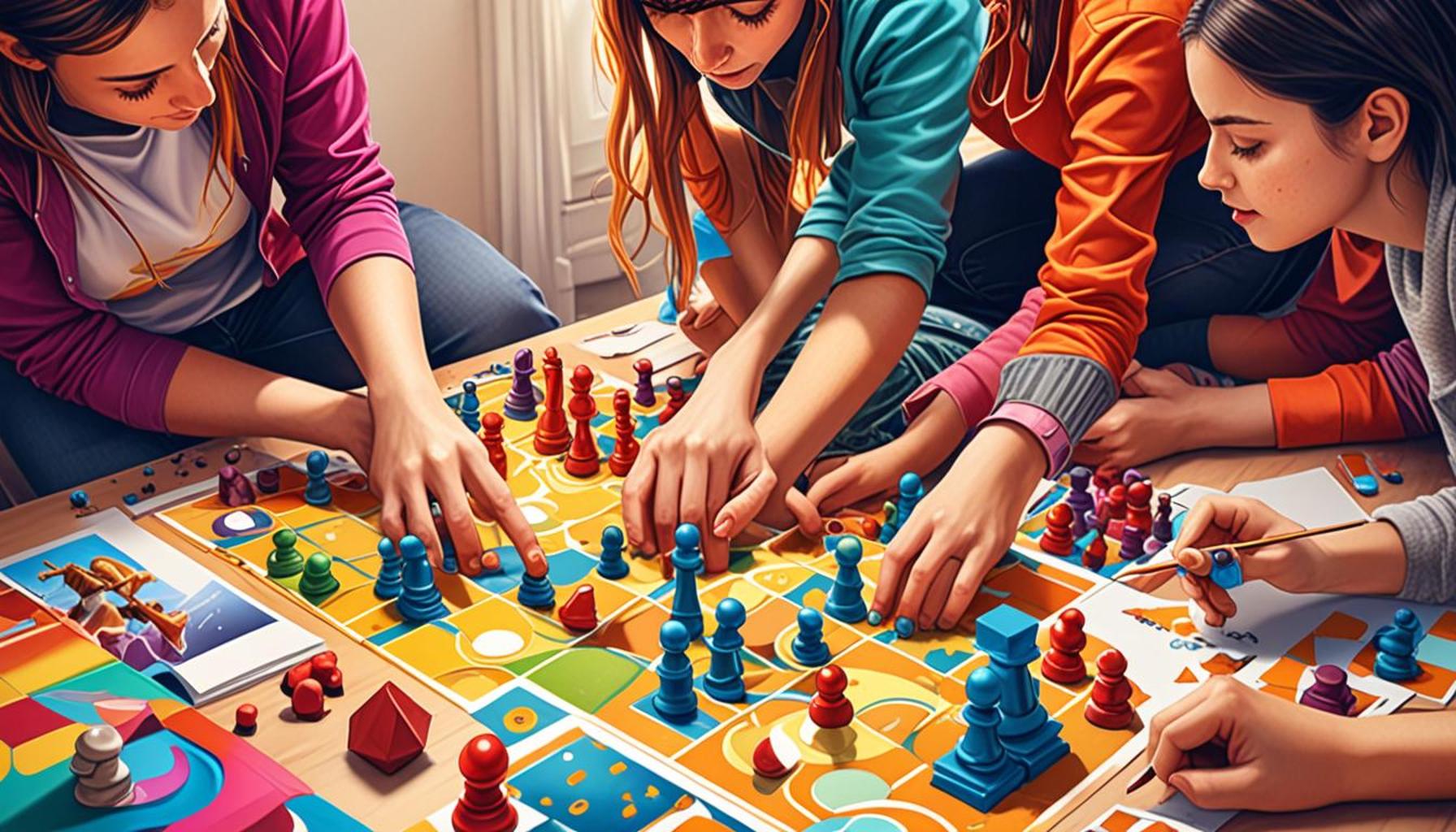
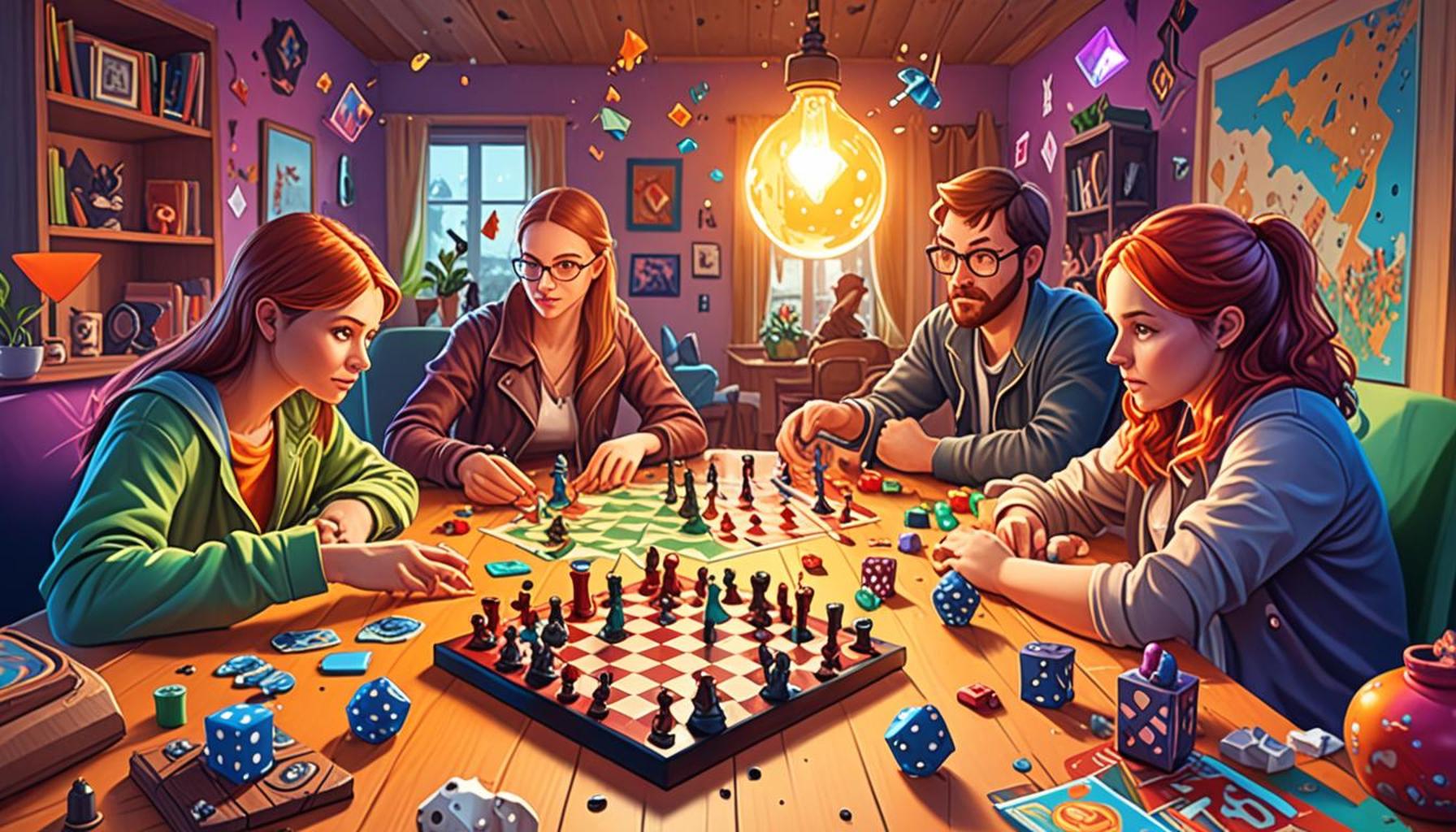
In the digital age, strategy games have emerged as a significant medium for enhancing human socialization. These games often require players to collaborate or compete, which has far-reaching implications for how individuals interact in both virtual and real-world environments. From fostering teamwork to developing communication skills, the impact is undeniable.
Key Aspects of Strategy Games
- Team Dynamics: Strategy games often necessitate players working together to achieve common goals. Games like “League of Legends” or “Overwatch” require players to coordinate their actions and strategize according to team strengths, making effective communication essential for success.
- Strategic Thinking: Players hone critical problem-solving skills through gameplay. For instance, in “Civilization VI,” players must plan for various potential future scenarios and adapt their strategies accordingly, simulating real-life decision-making processes and long-term planning.
- Conflict Resolution: Navigating challenges in gameplay fosters negotiation and compromise. Players learn to deal with different personalities and opinions, enhancing their ability to manage disputes, a skill that is transferable to real-life interactions.
As these games continue to gain popularity across the United States, understanding their effects on social interaction becomes increasingly important. The rise of online multiplayer formats has created a unique space for players to form lasting relationships. These dynamics not only extend to gaming but also contribute to personal growth and community building, as players often form bonds that last beyond the game itself.
The Evolution of Social Interaction
The shift towards digital gameplay reflects broader societal changes. Notably, strategy games encourage players to:
- Engage with Diverse Communities: Players frequently connect with individuals from varied backgrounds, breaking geographical barriers. For example, a player in California may team up with someone in New York or even overseas, fostering a sense of global community.
- Attend Events and Tournaments: Competitive play fosters a sense of belonging. Major events like the annual “The International” Dota 2 tournament or local eSports competitions provide opportunities for players to meet in person, celebrating their shared passions.
- Utilize Communication Tools: Platforms like Discord have revolutionized real-time interaction among players, allowing for more robust conversations and strategizing during gameplay. These platforms simulate the camaraderie typically experienced in physical gaming environments.
Together, these elements highlight the profound impact of strategy games on social behavior and community dynamics. As players navigate complex scenarios, they are not only gaming but also shaping the future of social connection. In an era where virtual interactions often replace traditional ones, strategy games serve as a fascinating blend of entertainment, socialization, and learning, leaving an indelible mark on how we connect with others.
DISCOVER MORE: Click here to dive deeper
Unpacking the Social Benefits of Strategy Games
Strategy games present a unique opportunity for players to engage with one another meaningfully, shaping their social skills and enhancing their overall interaction abilities. These games are more than just entertainment; they are virtual arenas that teach essential life skills that are critical in today’s society. As individuals navigate the complexities of game worlds, they simultaneously develop an array of crucial social competencies.
Collaborative Engagement
One of the most significant aspects of strategy games is collaborative engagement, where teamwork is often the key to victory. In titles such as “Starcraft II,” players must synergize their efforts to outmaneuver opponents, requiring not only strategic foresight but also a deep understanding of their teammates’ strengths and weaknesses. This collaboration helps players:
- Develop Trust: Trust plays a pivotal role in team-based strategy games. Players must rely on one another to execute plans effectively, fostering a sense of mutual reliance.
- Enhance Communication Skills: The necessity for clarity in communication is amplified in fast-paced games, pushing players to articulate their thoughts succinctly and adapt their language to suit different contexts.
- Practice Leadership: Many strategy games offer players the chance to take on leadership roles within their teams. This experience can cultivate essential leadership skills and boost confidence in guiding others.
The very architecture of these games encourages players to articulate their strategies and ideas, often leading to vibrant discussions that extend beyond the screen. These interactions can inspire friendships or even professional networking opportunities, highlighting the profound impact strategy games have on socialization.
Building is Key: The Role of Community
Another important factor in the social interaction fostered by strategy games is the sense of community that develops among players. Gaming communities thrive on shared interests and cooperative engagements. With forums, social media groups, and online clans, players can connect over their favorite games, leading to:
- Support Networks: Players often form supportive networks where they can share tips, strategies, and advice. This virtual camaraderie can translate into real-life support systems, making the gaming experience even more meaningful.
- Shared Identity: As players engage with their games, they develop a shared identity that bonds them together. This can lead to increased feelings of belonging and an improved sense of self-worth.
- Event Participation: Many players attend conventions, tournaments, and local meet-ups, which further solidifies these connections. Such events create spaces for players to interact face-to-face, enhancing their social skills in a real-world context.
Overall, the impact of strategy games on human socialization is profound, as players navigate a tapestry of communication, teamwork, and community building. As technology continues to evolve, these online experiences will likely play an increasingly pivotal role in shaping how we engage with one another.
The Impact of Strategy Games on Human Socialization and Interaction
When examining the intersection of strategy games and human socialization, one cannot help but note the multifaceted benefits these games present. Strategy games, whether played on a digital platform or as board games, have a profound ability to foster interaction among various age groups and backgrounds. These interactions not only enhance cognitive skills but also build strong social bonds. Below is a table illustrating two significant advantages of strategy games in promoting human interaction.
| Advantage | Description |
|---|---|
| Team Collaboration | Strategy games often require players to work together, fostering essential teamwork skills and improving communication. |
| Conflict Resolution | Players learn to navigate disagreements and find solutions through in-game strategies, translating to better real-life interactions. |
As highlighted in the table, team collaboration and conflict resolution are only two facets of how strategy games can enhance the socialization process. Players often engage in critical thinking and decision-making, sharpening their skills in a competitive yet supportive environment. This creates a space for discussions, shared experiences, and building friendships, proving that the impact of strategy games goes far beyond mere entertainment.
DIVE DEEPER: Click here to discover the impact of brain teasers on children’s growth
Competitive Dynamics and Personal Growth
While collaborative gameplay is a crucial component of strategy games, competitive dynamics also play a significant role in developing social interaction skills. Engaging in competition allows players to face off against one another, enhancing not only their strategic thinking but also their emotional intelligence. In this high-stakes environment, players react to wins and losses, shaping their social behaviors and personal growth in numerous ways.
The Nature of Competition
In many popular strategy games such as “Age of Empires” or “League of Legends,” competition fosters an environment where players must learn to cope with both victory and defeat. This leads to:
- Resilience: Players develop resilience as they face challenges and setbacks. Instead of succumbing to frustration, they learn to adapt their strategies and adjust their approach, a skill that translates to real life, particularly in high-pressure situations.
- Sportsmanship: Understanding the value of fair play is essential in competitive gaming. Players often engage in post-game discussions that reflect on their performances, cultivating a culture of respect for opponents, which encourages graciousness whether they win or lose.
- Conflict Resolution: Competitive scenarios inevitably lead to conflicts, be it strategic disagreements or misunderstandings. Navigating these disagreements equips players with skills to resolve conflicts amicably, promoting better interpersonal relationships both online and offline.
The capacity to face opponents in a virtual battleground not only sharpens cognitive abilities but also fosters the development of emotional and social skills, creating well-rounded individuals who are better prepared for real-world interactions.
Enhanced Global Connections
In an increasingly interconnected world, strategy games break geographical barriers, allowing players from diverse backgrounds to interact and forge connections. Titles like “Civilization VI” allow players to engage in diplomacy and trade, simulating complex international relationships. As players navigate these elements, they receive a crash course in cultural awareness and global perspectives:
- Cultural Exchange: Players often encounter opponents from different countries, leading to shared experiences and the exchange of cultural knowledge. Discussing strategies and game mechanics can initiate conversations about varying cultures and worldviews, creating a rich tapestry of global interactions.
- Language Skills: Engaging in strategy games that require communication across language barriers can encourage players to learn new languages or improve their proficiency. This can lead to greater language fluency and an enriched ability to connect with others.
- International Collaboration: Many competitive events and tournaments feature teams composed of players from various countries. This global collaboration helps participants foster international friendships and provides insights into how cultural differences can impact strategic decisions.
The online world of strategy gaming cultivates friendships that might not have been possible otherwise, broadening social networks and enhancing the ways in which individuals interact within a global framework.
Through these competitive and collaborative dynamics, strategy games significantly contribute to shaping how individuals socialize and forge connections. The lessons learned in both triumph and defeat illuminate pathways to meaningful interpersonal relationships and adaptable real-world interactions.
DIVE DEEPER: Click here to discover the evolution of strategy games
Conclusion
In summary, the exploration of strategy games reveals their profound impact on human socialization and interaction. As players immerse themselves in complex gameplay, they not only enhance their cognitive abilities but also significantly strengthen their social skills. Whether engaging in competitive scenarios that foster resilience, sportsmanship, and conflict resolution, or participating in collaborative efforts that emphasize teamwork and communication, players undergo remarkable personal growth.
Moreover, the global nature of strategy games promotes cultural exchange and fosters friendships across geographical borders. By connecting players from diverse backgrounds, these games serve as a platform for greater cultural awareness and international collaboration. As individuals navigate language barriers and cultural nuances, they develop valuable communication skills that resonate beyond the screen and into real-world engagements.
As society continues to embrace digital interactions, understanding the multifaceted roles that strategy games play in enhancing socialization is essential. They not only create a unique environment for developing interpersonal skills but also prepare players for challenges in everyday life. Looking ahead, researchers and game developers alike might consider how to further harness the potential of strategy games to enhance social networks and enrich human connections. As we delve deeper into this digital realm, it is clear that strategy games are more than mere entertainment—they are powerful tools for social engagement and personal development, inviting players to explore worlds that expand both their minds and their relationships.