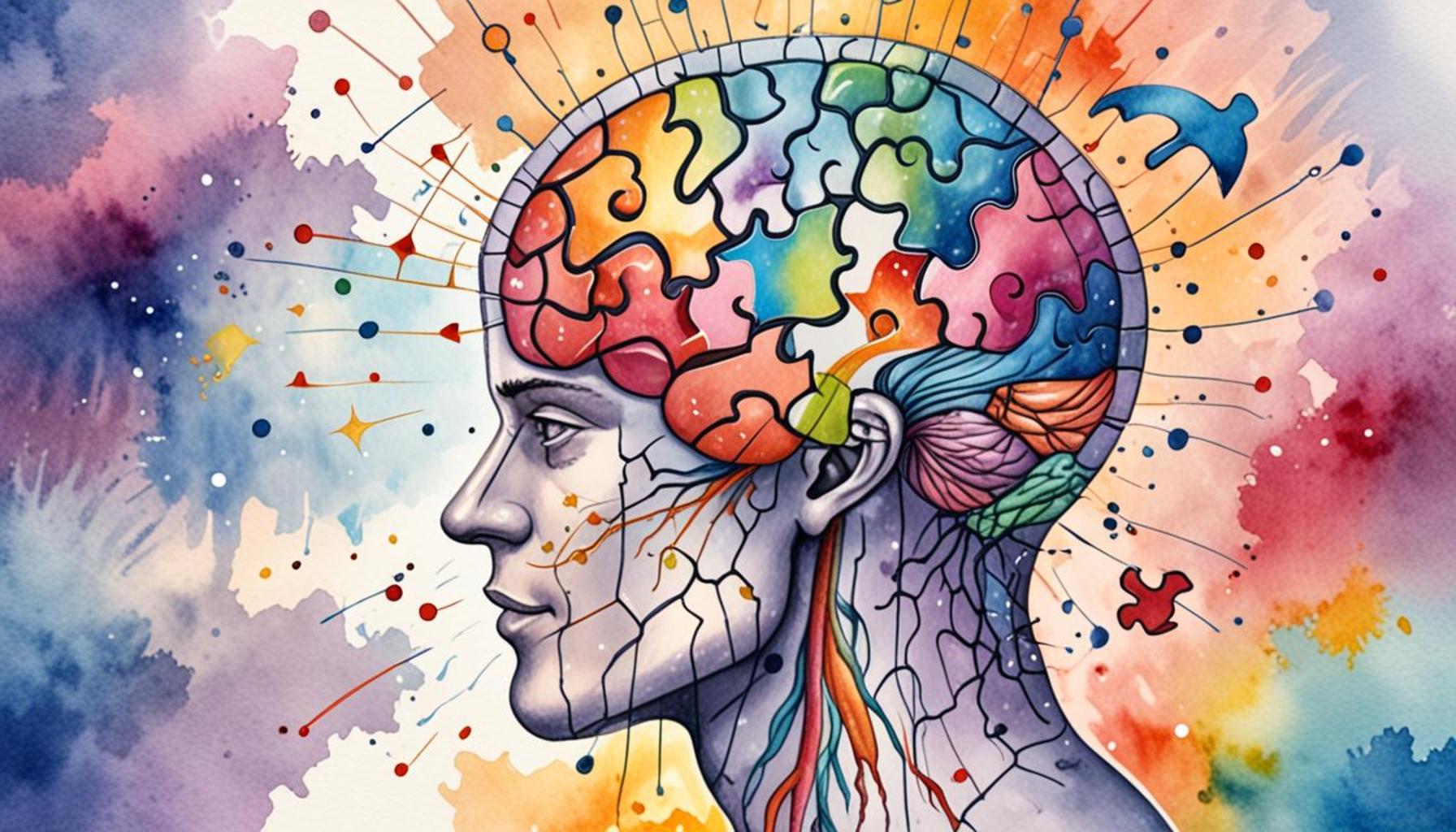
The Evolution of Logic Puzzles: From Antiquity to the Digital Age

Exploring the Rich Tapestry of Logic Puzzles
Logic puzzles have long captivated the human mind, serving as a bridge between creativity and critical thinking. From ancient civilizations to our modern digital landscape, these enigmas challenge us in fascinating ways. Each puzzle invites solvers into a world of deduction and reasoning, appealing not only to the intellect but also igniting a sense of curiosity.
Throughout history, the design and complexity of logic puzzles have evolved dramatically, often mirroring the cultures that created them. Some notable milestones in this evolution include:
- Ancient Egypt: Hieroglyphic puzzles were not just a pastime for the elite; they were often inscribed in tombs as challenges for the deceased. Common folks engaged in simpler riddles that could be shared orally, preserving their legacy through community interactions.
- Greek Philosophy: Noteworthy thinkers like Aristotle contributed to formal logic through intricate problems that demanded rigorous reasoning. His works challenged individuals to explore the essence of truth and logical deduction, laying the groundwork for future generations to engage with logic puzzles as a philosophical exercise.
- Renaissance Era: The invention of the printing press in the 15th century led to the creation of printed puzzle books, such as “The Nine Questions,” which captured widespread attention. This era marked a pivotal shift as puzzles transitioned from personal challenges to public amusements, paving the way for organized puzzle competitions in the years to come.
- 20th Century: The explosion of crosswords and Sudoku in newspapers transformed puzzles into everyday culture. These games not only provided entertainment but also became a means for social bonding, as families and friends gathered together to solve them over coffee or during road trips.
In the digital age, technology has transformed how we engage with logic puzzles. A myriad of online platforms and mobile apps has made these cerebral challenges more accessible than ever. Today, enthusiasts can explore:
- Interactive web-based puzzles that adapt to our skill levels, offering a tailored experience that encourages growth and learning.
- Social media challenges that invite collaboration and competition, creating communities where players can engage in friendly rivalries and share their solutions.
- AI-generated puzzles that push the boundaries of creativity, introducing new formats and difficulty levels that keep even seasoned puzzlers on their toes.
As we delve deeper into the trajectory of logic puzzles, we uncover more than just entertainment; these puzzles reveal insights about the societies that embraced them. They are tools of education, instruments of social interaction, and reflections of technological advancement. Join us on this fascinating journey through history, where every riddle and conundrum conveys a story waiting to be discovered, inviting both casual thinkers and avid puzzlers to explore the unending realm of logic and creativity.
DISCOVER MORE: Click here to learn how puzzles can boost cognitive health

From Ancient Riddles to Renaissance Printed Games
The narrative of logic puzzles begins in the distant past, where the earliest civilizations crafted riddles that served both entertainment and educational purposes. Ancient cultures often utilized these puzzles to convey moral lessons or preserve cultural knowledge. The challenge of solving such enigmas not only honed critical thinking skills but also fostered a sense of community and shared experience.
In Ancient Egypt, for instance, puzzles were deeply intertwined with religious beliefs. Hieroglyphic riddles inscribed in tombs were meant to challenge the deceased in their journey to the afterlife, evoking a sense of curiosity about the unknown. Likewise, these early puzzles reflected a collective consciousness where each riddle was passed down orally, ensuring a continuous thread of engagement across generations. Solutions to these challenges served not just to entertain but also to highlight the cleverness of the solver, further solidifying their social standing.
As civilizations advanced, the Greek philosophers brought formal logic into sharper focus. Intellectuals like Aristotle contributed to the development of logical reasoning frameworks, leading to more intricate puzzles that demanded analytical prowess. Such puzzles were not merely pastimes; they represented a quest for understanding truth and the nature of reality itself. This philosophical essence would influence future generations, transforming logic puzzles into instruments of contemplation and academic inquiry.
The Renaissance, a flourishing of art and intellect, witnessed a significant transformation in the way puzzles were consumed. The proliferation of the printing press in the 15th century revolutionized access to knowledge and entertainment. Printed puzzle books emerged, such as “The Nine Questions,” capturing the interest of the middle classes. This shift allowed puzzles to transcend social boundaries, with more individuals engaging in these quests for solutions. The popularity of logic puzzles grew, leading to the formation of communities dedicated to enjoying and competing in various types of brain teasers.
- Puzzles as Educational Tools: Across history, puzzles have been employed in educational contexts, serving to sharpen deductive reasoning and problem-solving skills in both children and adults.
- Social Interaction: Puzzles provided common ground for people to gather, share experiences, and enjoy moments of camaraderie, laying the foundation for future organized puzzle competitions.
- Cultural Reflection: The evolution of logic puzzles mirrors societal changes, adapting to new ways of thought that arise with technological and philosophical advances.
The importance of puzzles extends far beyond mere amusement; they hold a mirror to the intellectual pursuits of humanity through the ages. As we witness the transition to the digital age, the foundational elements of these puzzles remain integral to their appeal, even as their formats evolve. Each era’s contribution to logic puzzles offers a lesson in culture and creativity, ensuring that the journey of understanding continues with each new generation of thinkers and solvers.
| Historical Significance | Modern Applications |
|---|---|
| Logic puzzles have roots in Ancient Egypt and Greece, with early examples serving to teach critical thinking and problem-solving skills. | In today’s digital era, logic puzzles are integral to machine learning and artificial intelligence development, demonstrating their adaptability and relevance. |
| They contribute to cognitive development, enhancing the mental faculties of people throughout time, from ancient scholars to modern students. | Modern logic puzzles are often incorporated in educational platforms, making learning fun and interactive in digital classrooms. |
As we delve deeper into the evolution of logic puzzles, it’s clear that their significance has been profound, blending education and entertainment throughout the ages. From the ancient scrolls of Egypt to the bright screens of today, the journey of logic puzzles reflects the advancement of human thought and technology. The intriguing forms they take now not only stimulate our minds but also pave the way for breakthroughs in artificial intelligence, showcasing the seamless integration of creativity and intellect.
DISCOVER MORE: Click here to dive deeper
The Age of Enlightenment and the Rise of Modern Puzzles
As society transitioned into the Age of Enlightenment, the quest for knowledge took center stage, paving the way for a new era of logic puzzles. The scientific revolution catalyzed a fascination with deduction and reasoning, leading to the birth of more structured and formalized puzzle formats. Notable thinkers such as Leibniz and Descartes delved into the realms of logic and mathematics, influencing a cadre of puzzle creators who began to design challenges that mirrored contemporary intellectual trends.
The late 18th and early 19th centuries saw the emergence of mathematical puzzles and those infused with linguistic complexity. The first Sudoku-like puzzles appeared around this time, heralding the birth of logical games that demanded not only mathematical acuity but also linguistic dexterity. Logic puzzles began to reflect the dual nature of thought, integrating both numbers and words, thereby appealing to a broader audience.
Simultaneously, the concept of the gamebook came into prominence during this period. The publication of puzzle books and magazines became a common pastime, with series like “The Ladies’ Diary” and “The Gentleman’s Diary” featuring a plethora of mathematical problems, riddles, and brain teasers. This dissemination of puzzles not only entertained readers but also engaged them in intellectual discourse, prompting discussions that crossed social boundaries.
- Educational Institutions: Universities and learning centers embraced logic puzzles as formal exercises in reasoning, integrating them into the curricula to develop analytical skills among students. The rise of these educational tools highlighted the intrinsic value of puzzles within academic spheres.
- Puzzles in Literature: Authors such as Edgar Allan Poe and Lewis Carroll incorporated puzzles into their narratives, showcasing their literary allure. Carroll’s “Alice’s Adventures in Wonderland” served as both a whimsical escape and a critical examination of logic, solidifying the connection between literature and puzzle-solving.
- New Formats: As puzzles evolved, so did their formats. The introduction of crossword puzzles in the early 20th century captivated audiences and ushered in an era where puzzles began to dominate newspapers and magazines, becoming a staple in American culture.
With the advent of the 20th century, logic puzzles found themselves occupying a unique niche in popular culture. They became emblematic of the ongoing human pursuit of knowledge and entertainment. The rise of the game theory movement further solidified the significance of logical reasoning, influencing both the design and appreciation of puzzles. Mathematicians viewed puzzles not just as amusements, but as manifestations of complex ideas that could encapsulate life’s uncertainties and strategic thinking.
As the century progressed, the proliferation of puzzles accelerated. The global reach of the internet began to lay the groundwork for a digital renaissance of puzzles. Encrypted message puzzles and interactive games found their way into academic circles and the broader public sphere, making logic puzzles accessible to anyone with an internet connection. This movement was not just a fleeting trend; it established a foundation for future innovations in puzzle design, merging classic methodologies with advanced technology.
Thus, the evolution of logic puzzles mirrored not just changes in intellectual thought, but also the very trajectory of society itself—each twist and turn reflecting human ingenuity, creativity, and our unending journey toward understanding.
EXPLORE MORE: Click here for top memory training techniques
Conclusion: The Timeless Appeal of Logic Puzzles
The journey of logic puzzles from their antiquity roots to the intricate challenges of the digital age reveals much about the evolution of human thought and culture. Each era contributed unique perspectives and innovations, shaping puzzles into a vibrant tapestry of intellectual challenge and entertainment. As we explored, the foundations laid by ancient Greek philosophers laid the groundwork for the sophisticated logic and reasoning required in today’s puzzles.
With the Age of Enlightenment, we witnessed the transformation into structured puzzles, providing not only amusement but also avenues for critical thinking and education. The proliferation of mathematical and linguistic puzzles marked a significant cultural shift, highlighting society’s growing appreciation for the interplay between logic and language. These early forays into puzzle creation ignited a collective passion for problem-solving that continues to thrive.
In contemporary times, the advancement of technology has propelled logic puzzles into a new frontier, fostering global interactions and creating diverse platforms for engagement. This ongoing digital evolution not only preserves the legacy of traditional puzzles but also introduces innovations that captivate a new generation. As we embrace the allure of interactive online puzzles and mobile applications, the foundational principles of logic remain ever relevant, fostering critical thinking and intellectual curiosity.
Ultimately, the evolution of logic puzzles reflects our collective pursuit of knowledge, creativity, and connection. As we engage with these brain teasers, we also participate in a timeless conversation about what it means to think critically and solve problems. Whether in ancient texts, printed books, or digital interfaces, logic puzzles will undoubtedly continue to challenge and inspire—inviting both enthusiasts and novices to explore the enticing world they offer.